



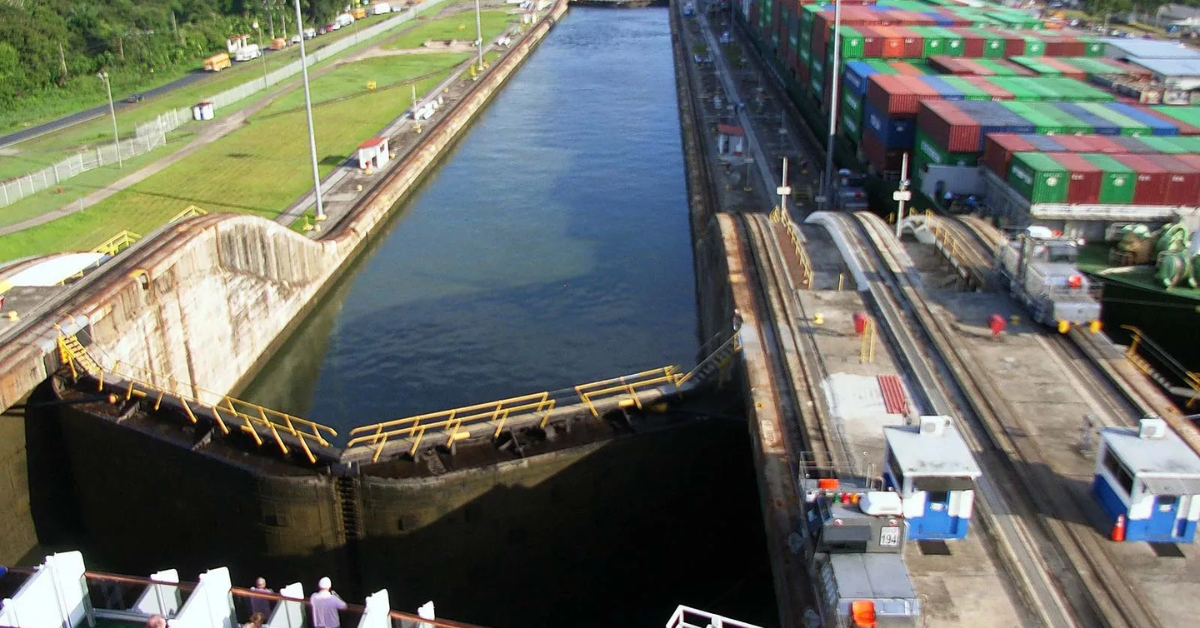

Vessel diversions triggered by Strait of Hormuz tensions are sending a surge of traffic through the Panama Canal, straining global supply chains and pushing freight costs higher
The Panama Canal is operating at close to full capacity as the ripple effects of ongoing geopolitical tensions in the Gulf region continue to reshape global shipping patterns. Shipping lines and tanker operators, increasingly wary of risks associated with the Strait of Hormuz, are rerouting vessel movements through alternative corridors — and the Panama Canal, which links the Atlantic and Pacific Oceans, is absorbing much of that surge in redirected traffic.
Industry sources confirm that the spike in transit demand has added significant pressure on canal scheduling, with vessel queues growing and transit slot availability tightening. Canal authorities are said to be managing traffic flows carefully to minimise congestion while maintaining safe and efficient passage for the growing number of vessels seeking to avoid Gulf routes.
The disruptions in West Asian maritime passages have affected a broad cross-section of vessel types — container ships, crude tankers, LNG carriers, and bulk carriers — all now competing for alternative routing options. Analysts point out that longer voyages through alternative corridors add substantially to operational costs: fuel consumption rises, voyage durations extend, and delivery timelines stretch, all of which feed through to higher freight rates for shippers and ultimately consumers.
For India, the implications are direct. Indian exporters relying on transhipment hubs and round-the-world services connecting to the Americas and Europe face elevated freight costs and longer transit times as global routing patterns shift. Import cargo from Latin America and the US Pacific Coast is similarly affected, with shipping lines adjusting schedules to manage vessel utilisation across longer voyage distances.
The Panama Canal situation also illustrates a broader structural vulnerability in global trade infrastructure: when one major maritime chokepoint comes under pressure, alternative routes face immediate strain. The Suez Canal, Malacca Strait, Cape of Good Hope passage, and Panama Canal are all, in different ways, stress-tested when geopolitical events disrupt the natural flow of global shipping.
Shipping experts warn that if tensions in strategic maritime chokepoints — particularly around the Strait of Hormuz — remain elevated for an extended period, the pressure on alternative routing infrastructure will continue to build. This could lead to sustained freight rate increases, reduced vessel availability for certain trade lanes, and longer-term restructuring of shipping alliance networks to better accommodate diversionary routing.
The situation is being closely watched by port authorities, logistics companies, and trade bodies worldwide as they assess contingency planning and long-term resilience strategies for global supply chains.
 Join our WhatsApp channel for more updates:
 Subscribe to our YouTube channel for more updates: