




Liquid cargo volumes set to fall 35-40% sequentially, but RoRo exports surge 45-50% and containers hold firm, says APM Terminals operator
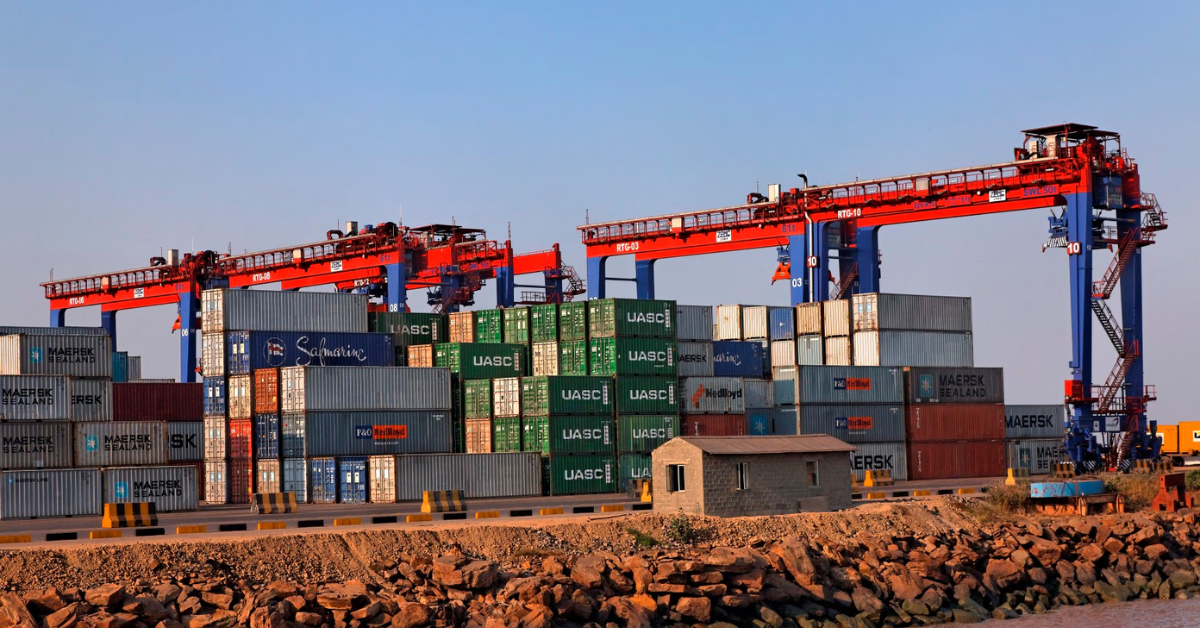
Gujarat Pipavav Port Ltd, operated by APM Terminals, is expecting a dramatic re-mix of its cargo portfolio in the June quarter as the West Asia conflict reshapes commodity flows through Western India. The port is projecting a 35-40 per cent sequential fall in liquid cargo volumes and an 8-10 per cent decline in bulk cargo, driven primarily by disruptions to fertiliser and LPG shipments originating from the Gulf region.
The liquid cargo decline is a direct consequence of Hormuz disruptions. LPG imports, in particular, have been significantly affected: vessels transiting from Gulf producers cannot freely use the Strait of Hormuz, and alternate long-haul routes from the US and other origins are adding weeks to transit times and costs. Fertiliser import delays, as widely reported, are also cutting into volumes at the port.
However, the picture is not uniformly bleak. The port operator said fertiliser imports are gradually recovering as shipping lines find alternative routing options. More significantly, LPG imports are being increasingly sourced from the United States — a shift that, while more expensive, is keeping supply flowing. The longer transit times mean vessels are tied up longer, tightening overall capacity, but the commodity flow itself has not been severed.
The strongest growth story at Pipavav right now is in RoRo — roll-on, roll-off — cargo, driven by booming Indian automobile exports. The port expects vehicle export volumes to rise 45-50 per cent in the June quarter amid strong demand for Indian-made passenger cars, utility vehicles and two-wheelers in overseas markets. Pipavav is expanding its RoRo infrastructure to handle the growth, and NYK Line’s new pre-delivery inspection facility at the port is expected to further boost handling capacity for vehicle exports.
Container volumes are also holding up, with a 5-7 per cent growth projection for the June quarter supported by new transhipment opportunities and the addition of Maersk’s FI2 weekly service — a new direct connection between Far East Asia and India that is expected to attract additional box cargo to the port.
Looking further ahead, the port is developing a three-million-tonne liquid jetty project scheduled for completion by December 2026, with commercial operations expected to begin in the next fiscal year. This investment signals long-term confidence in liquid bulk demand despite the near-term disruption. The Pipavav story is a microcosm of how India’s ports are navigating the current geopolitical storm: absorbing shocks in some cargo segments while capitalising on growth opportunities in others.
 Join our WhatsApp channel for more updates:
 Subscribe to our YouTube channel for more updates: