



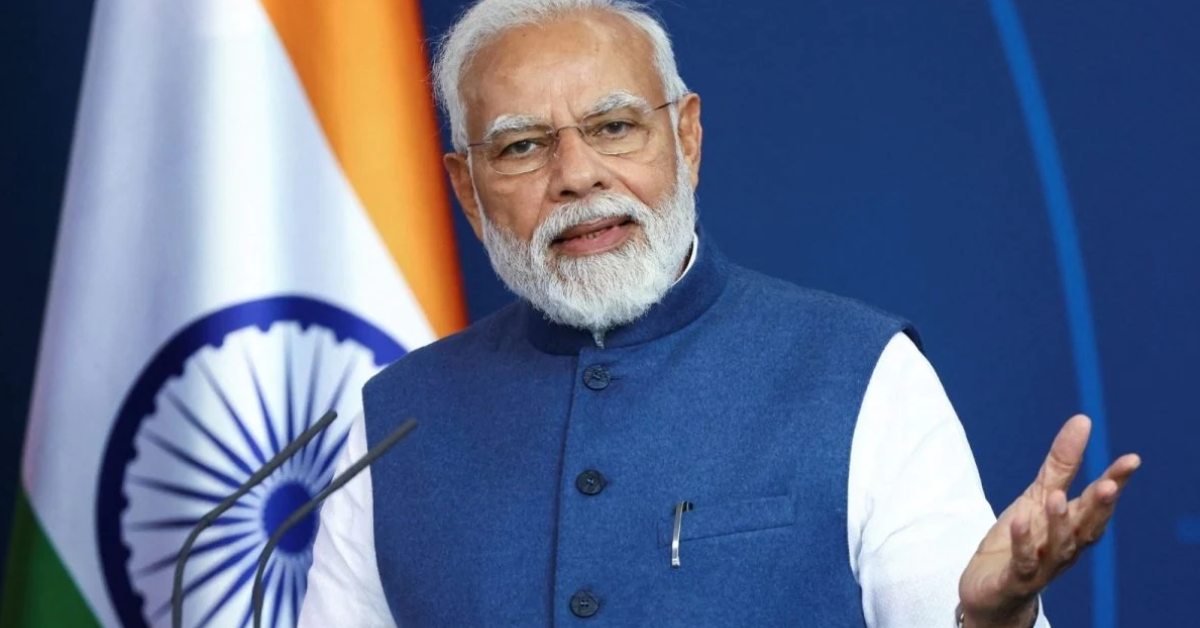

Prime Minister Narendra Modi wrapped up a five-nation diplomatic tour that took him from the Gulf to Europe, reinforcing India’s strategic, economic and cultural ties amid a shifting global landscape. The visit — encompassing the United Arab Emirates, the Netherlands, Sweden, Norway and Italy — combined high-level talks, trade and investment discussions, outreach to the Indian diaspora and substantive engagement on regional security issues.
Modi began the trip in the UAE, where discussions focused on energy, investment and maritime cooperation. India and the UAE agreed to deepen collaboration on energy security, with officials highlighting the role of diversified energy partnerships — including renewables and strategic oil reserves — in bolstering bilateral ties. Investment and infrastructure featured prominently, with Indian business interests and Gulf capital expected to play a larger role in port and logistics projects, reflecting both governments’ interest in stronger trade linkages and supply-chain resilience.
In the Netherlands, the Prime Minister engaged with Dutch leaders and business figures to expand collaboration in technology, water management and sustainable agriculture. The talks underscored mutual interests in innovation and climate-resilient solutions, areas where Dutch expertise in water systems and Dutch-Indian partnerships could support India’s urban and coastal infrastructure goals.
The Sweden leg combined outreach to industry and the sizeable Indian expatriate community with discussions on green technology, digital transformation and defence cooperation. Both sides identified opportunities for cooperation in clean energy, ports digitisation and advanced manufacturing, signaling a shared agenda on modernising logistics and enhancing supply-chain robustness.
In Norway, Modi focused on maritime safety, sustainable shipping and energy transition. Officials discussed pathways to decarbonise shipping and ports, with an emphasis on collaborative research, technology transfers and investment in low-carbon fuels and port electrification. Norway’s maritime experience and its renewable-energy ambitions were framed as complementary to India’s Net Zero commitments and expanding coastal infrastructure needs.
The visit concluded in Italy, where the Prime Minister attended high-level bilateral meetings that ranged from trade and investment to cultural ties. Leaders explored ways to expand industrial partnerships, with particular attention to advanced manufacturing, aerospace components and port connectivity. Cultural and people-to-people ties were highlighted throughout the Italy programme, reinforcing long-standing diaspora connections and cooperation in education and research.
Across all five countries, Modi’s meetings blended commercial objectives with strategic messaging. Trade and investment emerged as consistent themes: each stop included discussions aimed at attracting capital into India’s infrastructure, ports and manufacturing sectors, while seeking technology cooperation in areas such as clean energy, digitalisation and logistics. Maritime and port development — a key interest for a country reliant on sea-borne trade — featured repeatedly, reflecting India’s focus on modernising port facilities and integrating them into resilient supply chains.
The tour also touched on broader geopolitical issues. Modi addressed concerns around regional stability in West Asia and Europe’s security environment, engaging partners on shared interests such as counterterrorism, secure energy supplies and freedom of navigation. While avoiding public confrontation on contentious diplomatic flashpoints, the Prime Minister’s meetings reiterated India’s preference for dialogue and multilateral engagement in addressing global crises.
Diaspora outreach formed a visible part of the agenda in multiple capitals. Modi met Indian communities, underlining their role as cultural ambassadors and contributors to bilateral economic ties. These events reinforced domestic political messaging about India’s global engagement and emphasised private-sector links as a foundation for deeper state-to-state cooperation.
Analysts say the five-nation tour reflects several continuing priorities for New Delhi: diversifying strategic partnerships beyond traditional alliances, mobilising foreign capital and technology to accelerate infrastructure and green transition goals, and maintaining a balanced diplomatic posture amid geopolitical friction. By targeting countries with complementary strengths — Gulf investment, Dutch water-management expertise, Scandinavian green technology and Italian manufacturing capacity — the trip sought to align external resources with India’s domestic development objectives.
The diplomatic push arrives as trade corridors, energy security and maritime logistics gain urgency for India’s economic strategy. Government sources indicated that follow-up mechanisms, including business delegations and joint working groups, will track the agreements and memoranda of understanding signed during the visits. Officials expect sustained engagement to translate into concrete projects in ports, renewable energy, and industrial cooperation over the coming months.
The five-country tour reinforces India’s pragmatic external policy: balancing economic diplomacy with strategic partnerships while emphasising technology acquisition, investment inflows and a strengthened maritime posture — elements New Delhi views as essential for its next phase of development and global engagement.
 Join our WhatsApp channel for more updates:
 Subscribe to our YouTube channel for more updates: