



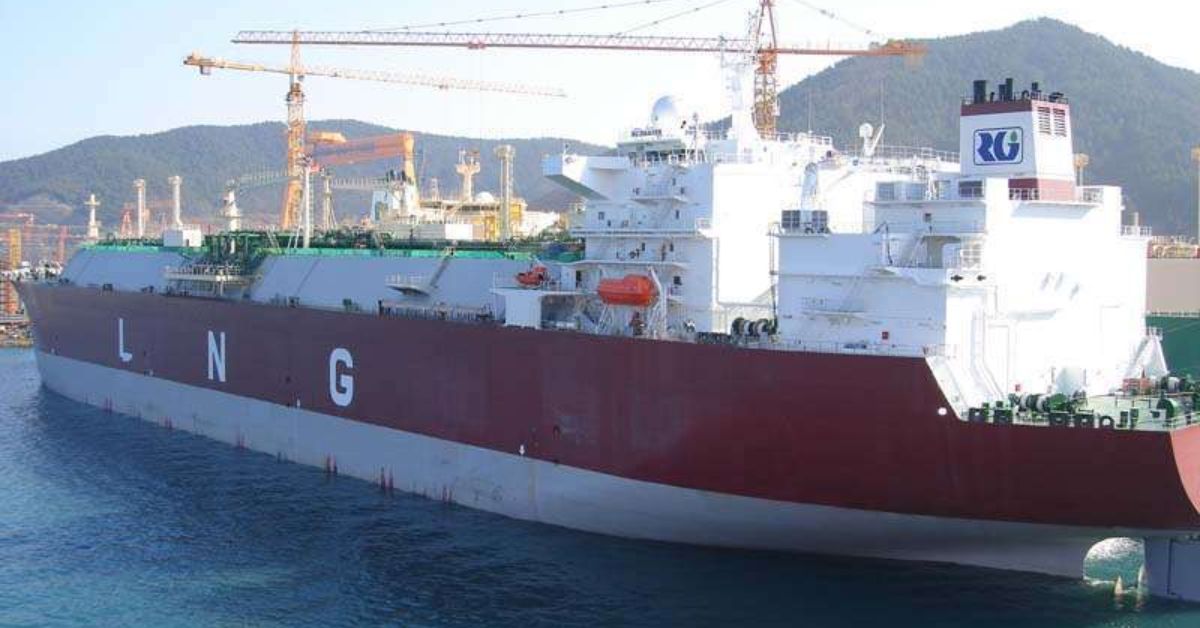

Two QatarEnergy-controlled LNG tankers — the Bahamian-flagged Al Daayen and the Marshall Islands-flagged Rasheeda — turned back after heading eastward toward the Strait of Hormuz on Monday, in what would have been the first transit of loaded LNG carriers through the waterway since the US-Israel war on Iran began on February 28. Ship-tracking data compiled by Bloomberg and analytics firm Kpler confirmed the aborted attempt and the subsequent course reversal, with both vessels switching their indicated destinations to Pakistan before pulling back into the Persian Gulf.
Both tankers had loaded LNG from Qatar’s Ras Laffan export terminal — the world’s largest LNG plant — in late February, immediately before the outbreak of hostilities. They have been stranded inside the Persian Gulf for over five weeks, unable to deliver cargoes that were destined for buyers including China and other Asian LNG importers. Pakistan has an Iranian arrangement allowing 20 of its flagged vessels transit rights, and the switch to Pakistan as destination may reflect an attempt to explore whether a Pakistani-facilitated transit arrangement could unlock passage — though no such transit has been confirmed.
Why This U-Turn Matters: Qatar’s LNG Export Crisis
Qatar supplies approximately 20 per cent of global LNG, making Ras Laffan one of the most strategically important energy infrastructure assets on the planet. Iranian strikes on Qatar’s gas infrastructure since the conflict began have already knocked an estimated 17 per cent of its LNG export capacity offline for potentially up to five years, according to The National. The effective closure of the Strait of Hormuz means that even production that has not been directly damaged cannot be exported to Asian buyers. The combined effect has removed a critical pillar of global LNG supply at the worst possible moment — during an energy crisis that is already causing fuel rationing and industrial disruption across South Asia, East Asia, and Europe.
India’s exposure to this supply disruption is acute. Nearly half of India’s LNG imports have been anchored to Qatari supply — primarily through long-term contracts with Petronet LNG, which operates large receiving terminals at Dahej and Hazira on India’s west coast. Reports suggest India has instructed industrial gas users to cut consumption by 10-20 per cent as a consequence of the loss of Qatari LNG supply. A senior Iranian official confirmed on Monday that even if a ceasefire is agreed, the strait will not be reopened as part of any temporary arrangement — a statement that suggests the LNG supply disruption may persist well beyond the kinetic conflict itself.
India Scrambles for Urea: 2.5 Million Tonnes Tender Floated
The LNG shortage has cascading consequences beyond household cooking gas. India’s domestic urea production has dropped from approximately 24 lakh tonnes per month to just 18 lakh tonnes as natural gas shortages have forced some fertiliser plants to reduce output or shut down entirely. In response, Indian Potash Limited has issued a global tender dated April 4 for the import of 2.5 million metric tonnes of urea — 1.5 million tonnes via west coast ports and 1 million tonnes via east coast — with bids due by April 15. Global urea prices have risen sharply from USD 484 per tonne to approximately USD 652-684 per tonne since the conflict began, reflecting the simultaneous disruption of Gulf-originating fertiliser supply and higher freight and insurance costs. With the kharif sowing season beginning in June, the procurement is urgent.
 Join our WhatsApp channel for more updates:
 Subscribe to our YouTube channel for more updates: