



Industry body ACTO makes urgent appeal to Ministry of Railways for immediate relief as EXIM volumes crash 40% and stabled trains surge from 5 to 50+
As geopolitical tensions in the Gulf region send shockwaves through India’s trade corridors, the country’s container rail operators are staring at a crisis that threatens to spiral into a full-blown logistics breakdown — and they say the Railways Ministry is the missing piece in an otherwise coordinated government response.
The Association of Container Train Operators (ACTO) has formally appealed to the Ministry of Railways for emergency relief measures, warning that what began as a disruption is fast taking on the characteristics of a Force Majeure event — one that demands the same decisive institutional response that helped India’s trade weather the COVID-19 pandemic.
The Numbers Tell a Grim Story
The scale of disruption is stark. EXIM volumes have plummeted by approximately 40% in March alone, with wild fluctuations leaving exporters and importers unable to plan with any certainty. The ripple effects are being felt deep in the industrial heartland — domestic transport volumes in the tile and steel sectors, heavily dependent on imported raw materials, have already dropped by an estimated 10% and are declining rapidly.
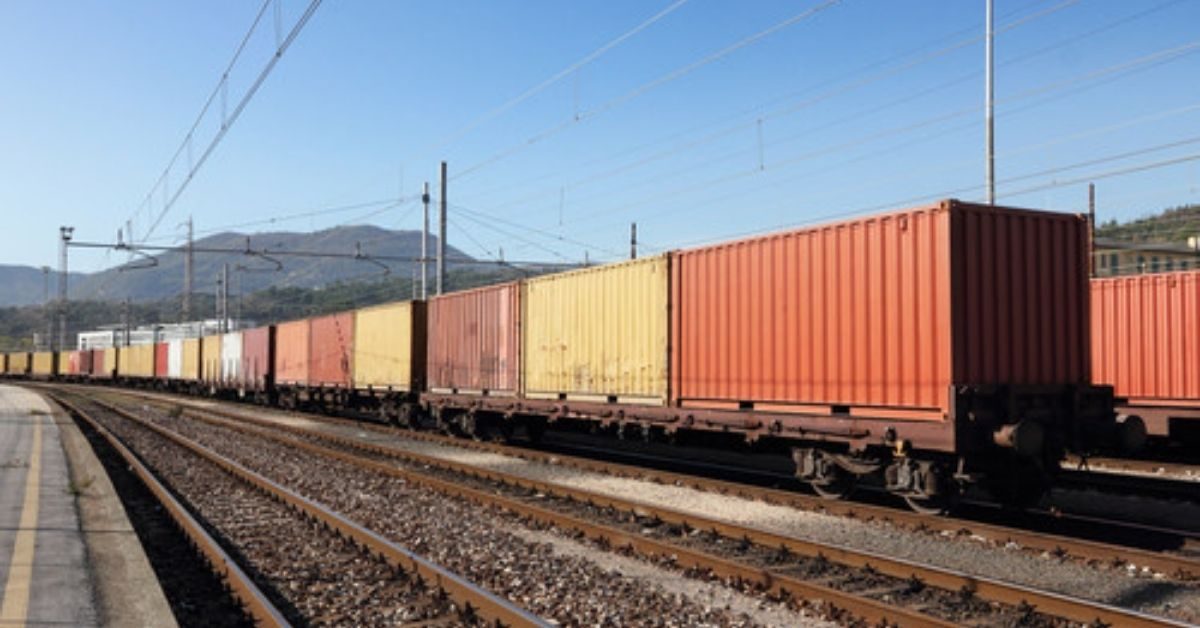
For rail operators, the operational pain is immediate and mounting. Stabled rakes — trains idling for want of cargo — have surged from a normal level of 4-5 at any given time to over 50 in the container sector this month alone. Empty wagon movement, typically averaging around 5% of total runs, has shot up to an estimated 15-20%. Most operators have been forced to reduce double-stack cargo movements to cut losses, paradoxically driving up the cost of every consignment that does move.
“We are willing to continue service at lower volumes,” says Manish Puri, President, ACTO. “Whatever the cost is to us, that is one thing. But at least what Railways is charging for these services — whether it is empty running or stabling — at least give us relief.”
Others Are Acting. Railways Must Follow.
What makes the railways’ silence particularly conspicuous is the speed with which other arms of government have moved. Customs issued a ‘back to town’ circular on March 8 permitting the return of export cargo to origin. The Directorate General of Shipping followed on March 9 with a notice compelling shipping lines to maintain pricing transparency and avoid predatory charges. JNPT, India’s busiest container port, moved swiftly on March 10 — ordering a 100% waiver on ground rent and an 80% relief on reefer plug-in costs.
Ports are absorbing losses. Customs is easing the path for stranded cargo. Shipping lines are being held accountable. But railways — which sits at the very core of India’s container logistics chain, connecting ICDs and CFSs to ports across the country — has yet to act.
“Customs has done some action. Ports have done something. DGFT is doing stuff. People are taking action, but in bits and pieces,” says Manish Puri. “Railways need to act fast.”
A Precedent Already Exists
ACTO’s appeal is not without historical grounding. During the COVID-19 pandemic, the Railways Ministry extended similar relief to container train operators — and the results validated the logic. When operators were supported to keep trains running even at reduced loads, railways volumes themselves recovered faster. The assurance of service continuity kept cargo moving on rail rather than triggering a costly and chaotic shift to road transport.
“Rail should do the same kind of thing so that we can continue service,” Says ACTO. “Road transport rates will go up and all sorts of things will happen. We don’t want that.”
What ACTO Is Asking For
The association’s formal request to the Ministry of Railways is precise and actionable:
- Waiver of stabling charges on trains idled due to cargo shortfall
- Waiver of haulage charges on empty wagon movements between ICDs and ports in either direction
- Waiver of ground rent charges for containers at private ports operating under state government concessions
- Declaration of Force Majeure — to give legal validity to all relief measures and automatically invoke insurance clauses across the chain of contracts binding operators, cargo owners, and service providers
ACTO has also urged the Ministry of Commerce and DGFT to coordinate a unified response, arguing that piecemeal action risks leaving rail — the backbone of India’s container hinterland connectivity — as the one unrelieved pressure point in an otherwise mobilising system.
The Stakes Are National
The ask is not for a bailout. It is for the breathing room to keep trains moving, tariffs stable, and costs from cascading onto the exporters and importers already navigating one of the most uncertain trade environments in recent memory.
India’s trade cannot afford for its rail spine to buckle under the weight of a crisis it did not cause. The Railways Ministry has the tools, the precedent, and now the industry’s formal appeal. The clock is ticking.
 Join our WhatsApp channel for more updates:
 Subscribe to our YouTube channel for more updates: