



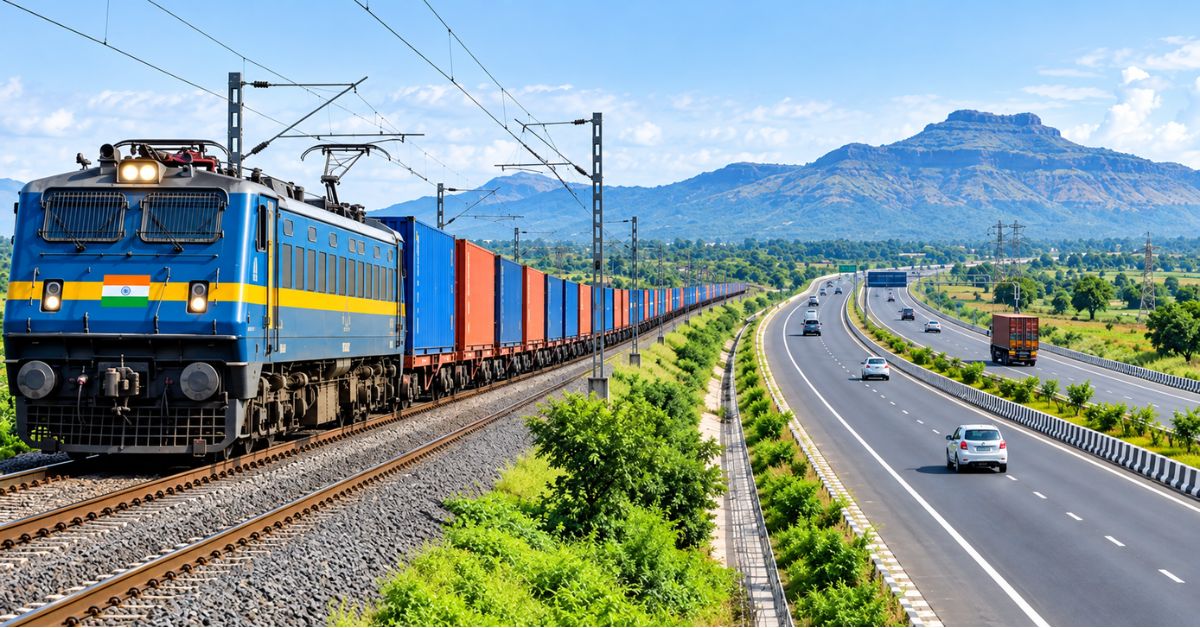

Indian Railways is examining the feasibility of developing a dedicated freight rail corridor alongside the 701-km Mumbai-Nagpur Samruddhi Expressway, a proposal that could significantly strengthen Maharashtra’s logistics network while providing a major boost to industrial centres, including Nashik.
The proposed freight corridor is being studied as part of India’s expanding Dedicated Freight Corridor (DFC) programme, which is designed to create high-capacity rail routes exclusively for cargo movement. Running parallel to the Samruddhi Expressway, the corridor would improve multimodal connectivity between major ports, inland logistics hubs and industrial clusters across Maharashtra.
The plan envisages connecting Jawaharlal Nehru Port Authority (JNPA) and the upcoming Vadhvan Port with industrial regions through the Samruddhi corridor, while also linking inland dry ports in Jalna and Wardha. The proposed network is expected to reduce logistics costs, improve cargo turnaround times and strengthen supply chains serving manufacturing and export-oriented industries.
For Nashik, the proposal could enhance the city’s position as a logistics and manufacturing hub. The district already benefits from its location along the Samruddhi Expressway and proximity to industrial areas, and improved freight rail connectivity could provide faster access to ports for sectors such as engineering, automotive components, food processing and agriculture.
Industry representatives have welcomed the feasibility study, stating that a dedicated freight corridor would improve the movement of goods, reduce transportation costs and attract additional industrial investment along the expressway corridor. They believe better rail connectivity could also strengthen warehousing and logistics activity in Nashik and surrounding districts.
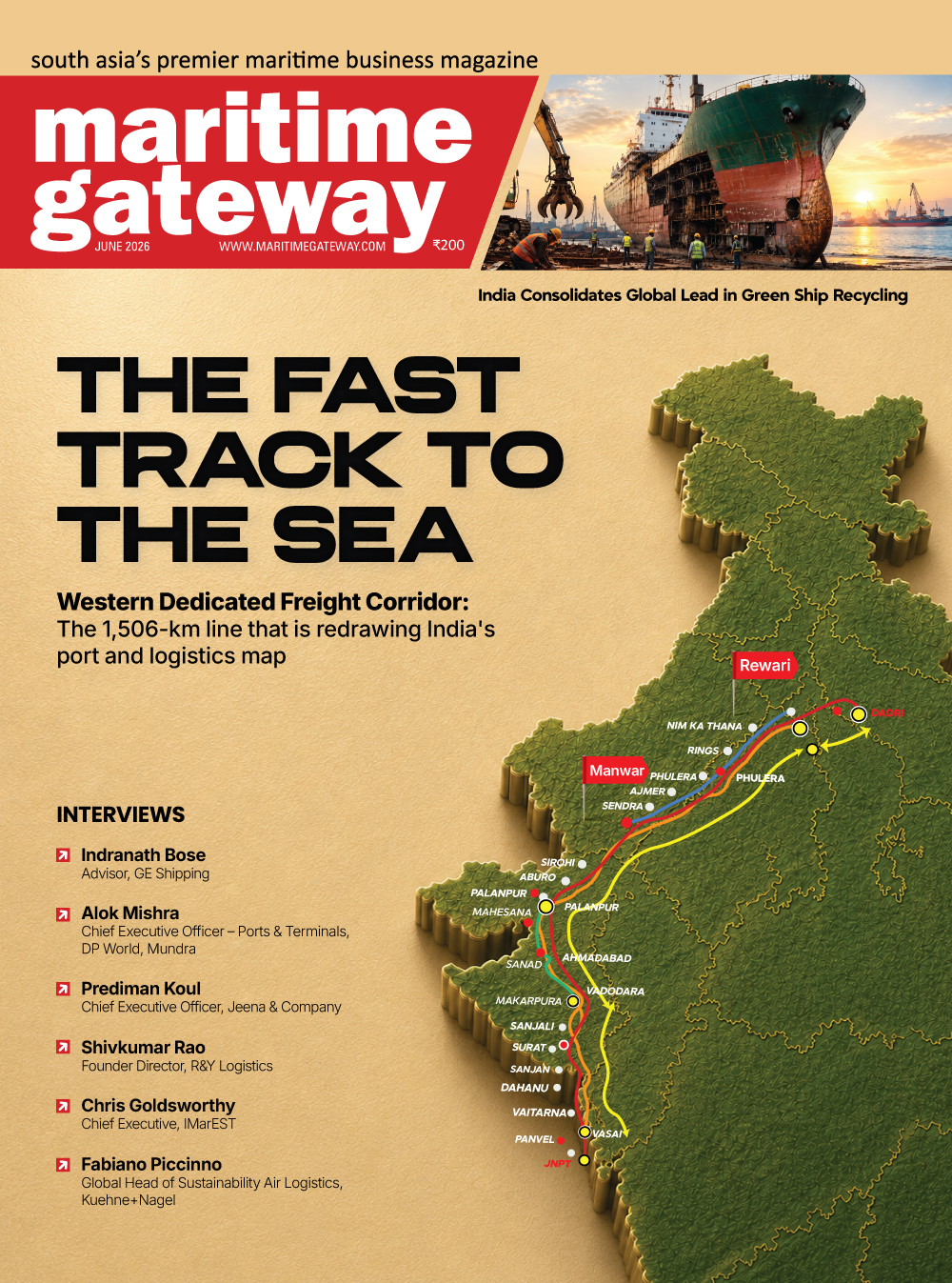
The proposal also aligns with India’s broader freight modernisation strategy. The country’s existing 2,843-km Dedicated Freight Corridor network, comprising the Eastern and Western DFCs, has demonstrated how dedicated rail infrastructure can decongest passenger routes while enabling faster, more reliable freight operations.
If the Samruddhi freight corridor progresses beyond the feasibility stage, it could become a key multimodal transport backbone for Maharashtra by integrating road, rail and port infrastructure. The corridor is expected to improve freight capacity, support industrial expansion and strengthen connectivity between western and eastern Maharashtra through one of the state’s most important economic corridors.
 Join our WhatsApp channel for more updates:
 Subscribe to our YouTube channel for more updates: