


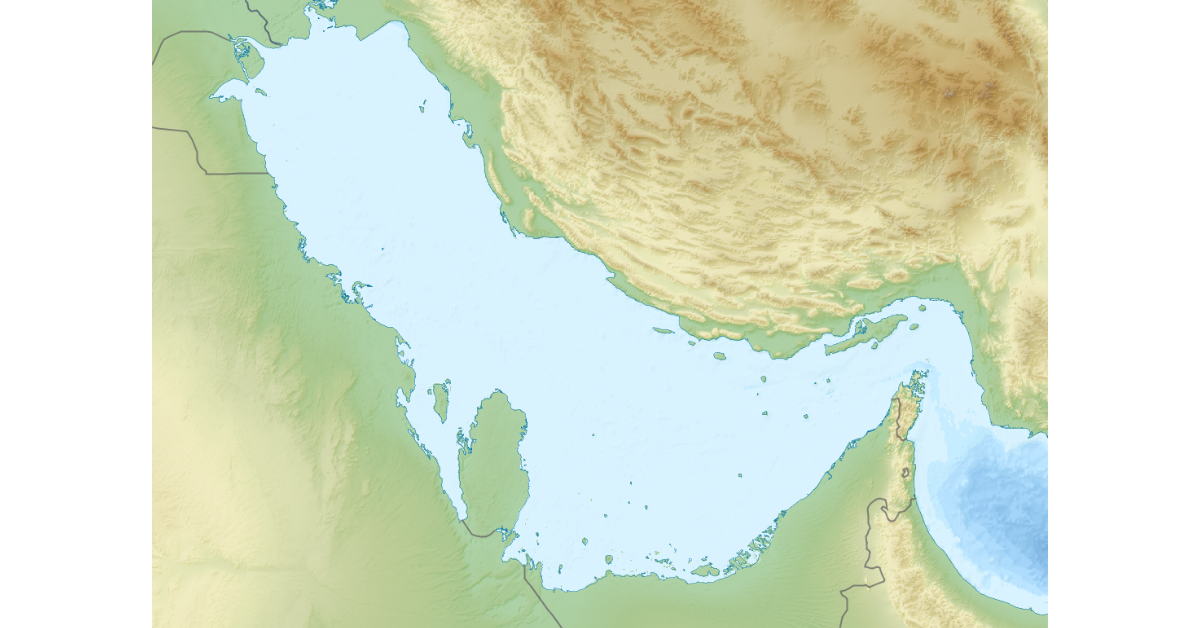

The Ministry of Commerce has unveiled a ₹497-crore government support package titled ‘Resilience & Logistics Intervention for Export Facilitation’ — or RELIEF — designed to assist Indian exporters grappling with the financial fallout of the ongoing Persian Gulf crisis and Strait of Hormuz disruption.
The announcement came during a joint online industry meeting held on March 19, 2026, convened by the Agricultural and Processed Food Products Export Development Authority (APEDA) in collaboration with Transworld Group. The meeting, chaired by APEDA’s Abhishek Dev and moderated by Dr C.B. Singh, Deputy General Manager at APEDA, brought together exporters, freight forwarders, and trade bodies — including members of the Kerala Exporters’ Forum — to discuss rising logistics costs, stranded cargo, and the availability of alternative trade routes.
What the RELIEF Scheme Covers
While the full operational details of the RELIEF scheme are being awaited through a formal notification, the package is understood to target several key pain points faced by Indian exporters since the Hormuz crisis began on February 28. These include compensation or reimbursement mechanisms for elevated War Risk Surcharges and Emergency Conflict Surcharges, support for cargo rerouted via longer sea routes around the Cape of Good Hope, and logistical assistance for exporters with perishable or time-sensitive cargo stranded at Gulf ports or in transit.
Agri-Exporters Among the Hardest Hit
The involvement of APEDA — the nodal agency for promoting India’s agricultural and processed food exports — in convening the meeting reflects the acute pressure felt by India’s farm export sector. Agricultural commodities including rice, fresh fruits and vegetables, marine products, and processed foods are among the cargo categories most severely affected by the Gulf disruption, both because of their dependence on Gulf markets as primary export destinations and the perishable nature of the goods involved.
India’s agri-shipments to West Asia have begun to recover at a measured pace, but volumes remain below pre-crisis levels as shipping constraints, elevated freight costs, and longer transit times continue to create scheduling and cost challenges for exporters. Over 3,000 containers of rice alone are reported to be stranded at Gulf ports or in transit.
Broader Industry Support Measures
The RELIEF scheme adds to other support measures under consideration by the government, including extended export obligation deadlines for advance authorisation holders and possible loan moratoriums for exporters facing delayed receivables from Gulf-based buyers. The Confederation of Indian Industry (CII) has publicly backed the government’s response, while urging continued attention to rising freight costs and war-risk insurance premiums that are eroding the competitiveness of Indian exports in global markets.
The ₹497-crore allocation, while significant, will need to be deployed swiftly and efficiently to make a meaningful difference to the large number of small and medium-sized exporters who make up the bulk of India’s export community and lack the financial reserves to absorb prolonged logistics disruptions.
 Join our WhatsApp channel for more updates:
 Subscribe to our YouTube channel for more updates: