




Dugarajapatnam project to have 1.2 million GT capacity; 437 government-linked vessels worth ₹2.2 lakh crore already aggregated as demand
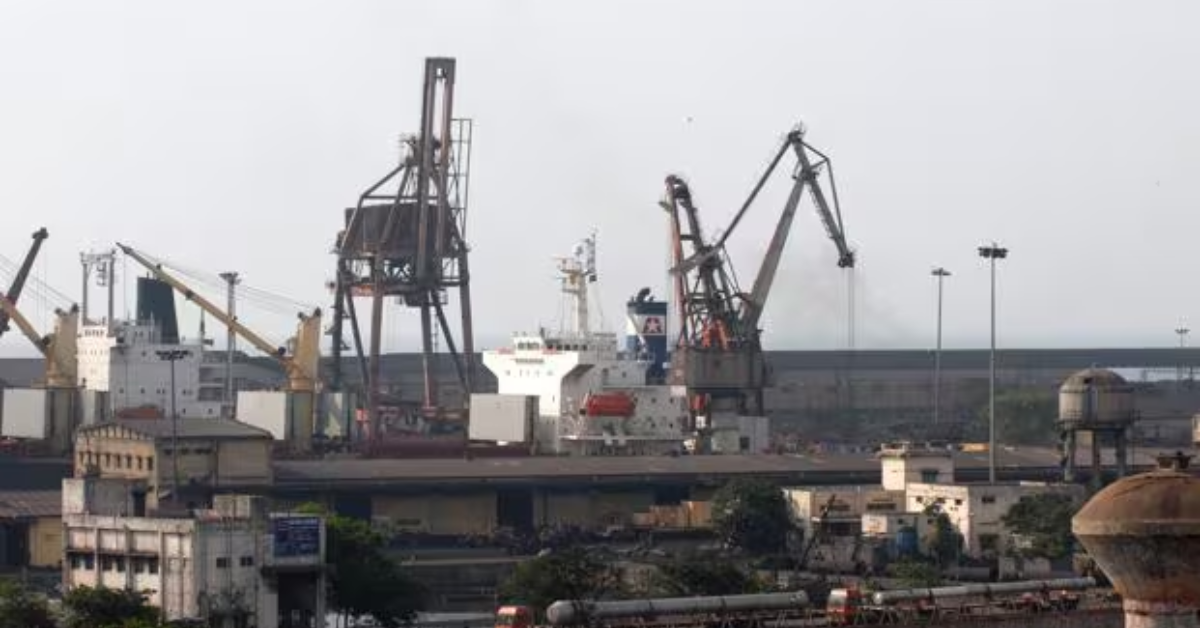
India is on the cusp of a landmark step in its maritime ambitions. The Union government is expected to grant in-principle approval this month for a ₹30,000-crore mega shipbuilding cluster at Dugarajapatnam on the Andhra Pradesh coast — a development that, if realised, would mark India’s most significant single investment in domestic shipbuilding capacity since Independence.
Union Minister for Ports, Shipping and Waterways Sarbananda Sonowal announced the project details, describing the proposed cluster as India’s first mega shipbuilding hub with an estimated production capacity of 1.2 million gross tonnage (GT). The cluster is being positioned as the anchor of India’s broader maritime self-reliance strategy.
One of the most striking aspects of the announcement is the scale of demand that the government has already lined up for the proposed facility. India has aggregated demand for 437 vessels worth approximately ₹2.2 lakh crore (around USD 26 billion) from major government-linked stakeholders across sectors including defence, energy, coastal shipping, and inland waterways. This includes projected requirements from entities such as the Shipping Corporation of India, Cochin Shipyard, and state-run port trusts. Under the government’s shipbuilding strategy, domestic yards will receive preferential treatment in public procurement bids to accelerate indigenous vessel manufacturing.
The Dugarajapatnam site in Nellore district, Andhra Pradesh, was selected for its deep-water access, available land bank, and proximity to existing road and rail connectivity, making it suitable for large-vessel construction yards. The cluster is expected to attract both public sector investments and private shipbuilding consortia, potentially including global players seeking to establish a manufacturing base in India.
Sonowal also addressed the current Hormuz crisis context at the press event, clarifying that no India-flagged or India-linked vessels had been asked to pay toll charges while transiting the Strait — a statement intended to counter marketplace speculation about new transit fees. He described the regional crisis as one of the most significant disruptions to global shipping in recent years.
Separately, the minister highlighted that India’s port and shipping sector has significantly stepped up alternative connectivity during the Hormuz disruption, with sailings to unaffected West Asian ports rising from 105 in February to 232 in April. The government has also successfully repatriated more than 3,000 seafarers from the affected zone since the crisis began.
India’s global shipbuilding market share has historically been below 1 percent, compared to over 30 percent each for South Korea, China, and Japan. The government’s Maritime Amrit Kaal Vision 2047 has set an ambitious target of raising India’s share to over 5 percent of global shipbuilding output by 2047.
 Join our WhatsApp channel for more updates:
 Subscribe to our YouTube channel for more updates: