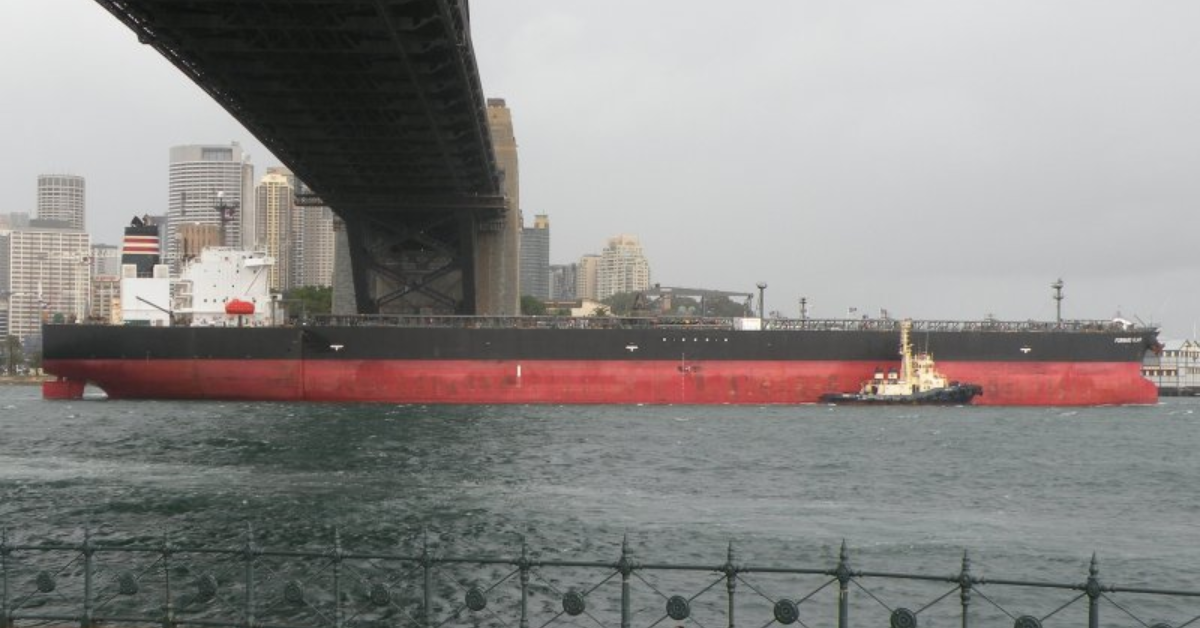

In a remarkable display of real-time energy diplomacy, at least seven Russian crude oil tankers originally bound for China have changed course mid-voyage and are now headed to Indian ports, as New Delhi dramatically scales up purchases of Russian oil to offset supply disruptions caused by the closure of the Strait of Hormuz.
The most closely tracked vessel is the Aframax tanker Aqua Titan, which had set sail from a Baltic Sea port in late January with China’s Rizhao as its declared destination. Ship-tracking data compiled by energy intelligence firm Vortexa shows the vessel made an about-face in Southeast Asian waters in mid-March, and is now expected to arrive at New Mangalore port on 21 March carrying a cargo of Russian Urals crude. A separate tanker carrying crude from Kazakhstan has also redirected to India’s west coast.
The diversions follow a decision by the United States to grant India a temporary waiver — reportedly valid through 4 April — allowing Indian refiners to purchase Russian crude loaded on any vessel on or before 5 March, including vessels previously covered by sanctions. Since the waiver was issued, India has reportedly purchased approximately 30 million barrels of Russian oil. All of India’s major refiners are understood to be actively in the market for Russian supplies.
According to Bloomberg and other reports, Indian imports of Russian crude have surged by approximately 50 per cent in recent weeks, as refiners rush to plug the gap left by reduced Middle Eastern supplies. Before the conflict broke out, over half of India’s crude imports came from Gulf producers, primarily Saudi Arabia and the UAE. With that supply chain severely disrupted, cheaper and readily available Russian barrels are filling the void.
The shift carries strategic implications beyond just price and volume. A broader set of countries — including Japan and South Korea — has also received clearance to resume purchasing Russian crude, a development expected to trigger further cargo rerouting away from China, potentially pushing prices higher in the coming weeks. Analysts caution that while the discounted Russian barrels are helping India manage near-term fuel costs, an overreliance on this source carries risks if sanctions regimes tighten or geopolitical conditions change.
 Join our WhatsApp channel for more updates:
 Subscribe to our YouTube channel for more updates: