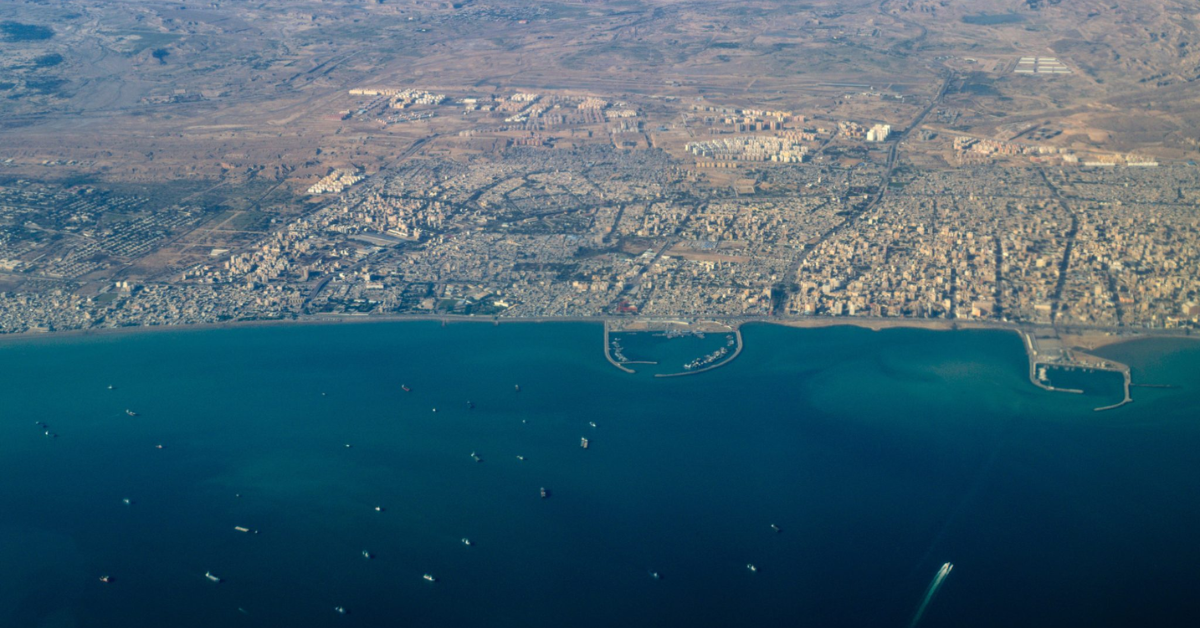

Shipowners are racing to understand and utilise a narrow ceasefire window in the Strait of Hormuz that could allow hundreds of vessels trapped in and around the Persian Gulf to finally move, after weeks of disruption that have squeezed global energy supplies. Following an agreement between the United States and Iran to temporarily reopen the strait, industry players are examining the “fine print” of the truce to determine how and when ships can safely transit the chokepoint.
Reports indicate that more than 800 vessels have been effectively stuck on either side of Hormuz amid heightened tensions, attacks and threats against commercial shipping. Many owners chose to halt or slow movements due to uncertainty over security guarantees and insurance coverage, leading to a dramatic reduction in traffic through the waterway and contributing to volatility in oil and gas markets. With Iran now signalling a two-week period of safe passage “within technical limitations,” and Washington talking of a complete and immediate opening, shipowners are trying to reconcile differing messages and understand the practical scope of the ceasefire.
Key questions include the timing of when the truce actually takes effect, what escort or monitoring arrangements might be available, and whether certain vessel categories or flag states face additional restrictions. Owners must also coordinate with charterers, cargo interests and insurers to decide which ships to move first and how to prioritise high-value or time-sensitive cargoes. Some may opt for a cautious phased approach, testing the corridor with limited movements before committing more tonnage, particularly given lingering concerns about mines, drones and other asymmetric threats.
The near-closure of Hormuz has already forced some trade flows to reconfigure, with refiners exploring alternative sourcing and routing where feasible. A safe and orderly evacuation of the trapped fleet could help normalise flows to an extent, but market analysts caution that two weeks is a short window to fully unwind the backlog and restore confidence. Much will depend on whether the ceasefire holds, whether Iran’s newly announced alternative routes function smoothly, and whether insurers adjust war risk premiums in line with any reduction in perceived threat.
For the global shipping industry, the episode highlights the vulnerability of critical maritime chokepoints and the speed with which geopolitical shocks can immobilise large portions of the fleet. Shipowners are likely to revisit their risk management frameworks, contingency routing plans and contractual arrangements in the aftermath of the crisis. In the immediate term, however, the focus remains on safely capitalising on the ceasefire window to move stranded ships and cargoes out of harm’s way.
 Join our WhatsApp channel for more updates:
 Subscribe to our YouTube channel for more updates: