



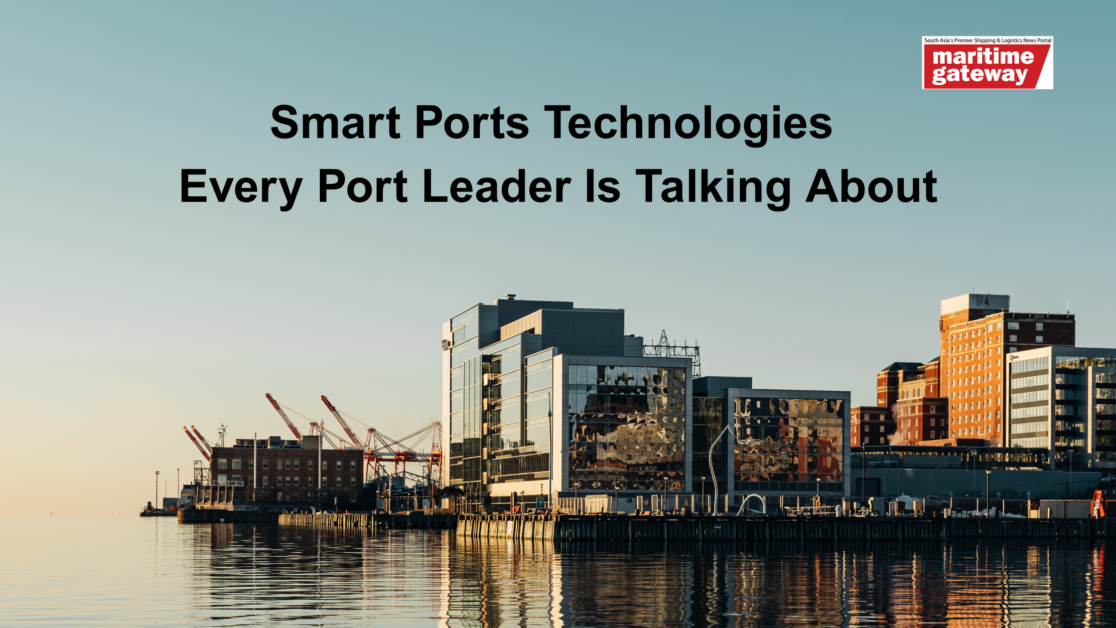
Ports are no longer just portals for cargo; they are becoming intelligent ecosystems. Ports must adapt to remain competitive as global trade volumes increase, ecological constraints intensify, and consumer expectations evolve. This new era is being driven by smart port technologies, a blend of digital tools, automation, and data-driven systems that are transforming how ports operate.
From predictive analytics to autonomous equipment, the future generation of ports will be faster, safer, greener, and more connected than ever before. Here is a dive into the technologies influencing smart ports and how they are laying the groundwork for the future of marine logistics.
Smart Ports: What Are They?
Smart ports integrate digital technologies for easier port operations, boost visibility, improve safety, reduce environmental impact, and enable seamless cooperation among stakeholders. Unlike traditional ports, smart ports rely on real-time data, automation, and connected platforms to make informed judgments.
Smart port technologies, which allow ports to transition from reactive operations to predictive and autonomous systems, are at the center of this evolution.
Internet of Things (IoT): Providing Visibility in Real Time
As it is with many things lately, the foundation of smart port infrastructure is IoT. Data is continuously gathered and transmitted by sensors mounted on vehicles, cranes, containers, and port equipment.
Key benefits of IoT in ports include real-time tracking of cargo and assets, monitoring equipment health, minimizing downtime through predictive maintenance, and raising safety by tracking movement and operational risks.
With IoT, ports receive total operational visibility, allowing faster choices and better cargo movement.
Automation and Robotics: Speed, Precision, and Safety
Globally, automation is changing terminal operations. Robotic handling systems, autonomous cars, and automated cranes decrease the need for human intervention in high-risk and repetitive jobs.
Automation increases worker safety, speeds up operations, lowers errors, and permits 24-hour operations. Automation enables ports to scale effectively and reliably, even if human expertise is still crucial.
Digital Twins: Simulating the Port of the Future
A digital twin is a virtual duplicate of a real port environment. Without interfering with ongoing operations, it allows port operators to test infrastructure modifications, simulate operations, and forecast results.
Digital twins help ports cut expenses and make data-driven decisions by facilitating improved infrastructure design, disaster preparedness, and operational optimization.
Blockchain: Increasing Transparency and Trust
Long-standing issues with documentation, data silos, and a lack of transparency in marine trade are being resolved by blockchain technology.
Blockchain saves paperwork, speeds up customs processing, decreases fraud, and fosters confidence among all port stakeholders by producing safe and unchangeable records.
Making Real-Time Port Operations with 5G Connectivity
High-speed communication is necessary for smart port systems. Ultra-low latency communication, which is essential for autonomous devices and real-time data processing, is made possible with the launch of 5G networks.
Large-scale smart port operations are made possible by 5G’s ability to easily incorporate IoT, AI, and automation technologies.
Integrated Stakeholder Collaboration in Port Community Systems
Port Community Systems brings together port authorities, terminal operators, shipping lines, customs, and logistics suppliers on a single digital platform.
These technologies increase total supply chain openness, decrease delays, improve data sharing, and remove misunderstandings. Better coordination throughout the maritime ecosystem and smoother port operations are guaranteed by a well-integrated PCS.
Green technologies and sustainability
Environmental responsibility is increasingly a priority for ports globally. Smart ports adopt green technologies to cut emissions and energy use.
Shore power, electric port equipment, AI-driven energy management, and emission monitoring systems are examples of initiatives that assist ports in saving long-term expenses and complying with regulations.
Cybersecurity: Safeguarding Digital Port Infrastructure
Cybersecurity threats rise as ports become more digital. Protecting operating systems and sensitive trade data is crucial to preserving confidence and continuity.
To protect their digital infrastructure, smart ports are making investments in strong cybersecurity frameworks, system resilience, and employee training.
People’s Part in the Transformation of Smart Ports
Technology alone cannot promote transformation. Smart port systems must be managed, operated, and optimized by qualified experts.
Ports are working on upskilling their workers, promoting digital literacy, and encouraging collaboration between technology teams and operations professionals.
Promotion of Industry Progress Through CI and GA
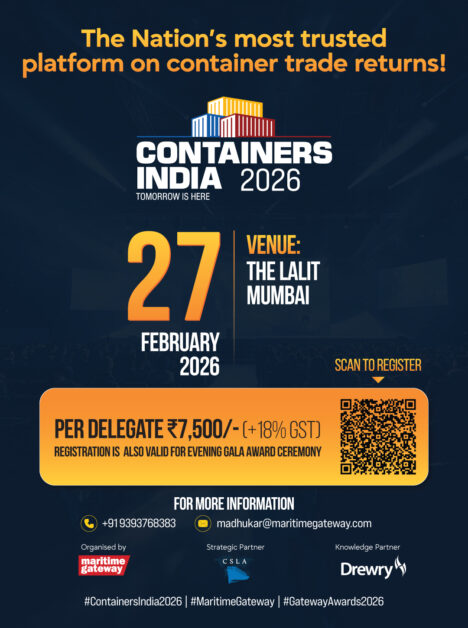
Industry cooperation is becoming more and more crucial as ports undergo digital transformation. The Container India (CI) is an important venue for strategic networking, innovation recognition, and information sharing.
Port authorities, terminal operators, technology companies, and logistics professionals come together for CI to talk about new trends, exchange best practices, and honor excellence in marine operations and infrastructure.
Conclusion
The future of global trade rests on ports that are intelligent, connected, and sustainable. Smart port technologies are no longer optional but critical for efficiency, resilience, and competitiveness.
Ports that invest in digital technologies, people, and collaboration today will determine the maritime sector of the future. Platforms like CI play a critical role in directing this shift by enabling dialogue, innovation, and industry-wide development
 Join our WhatsApp channel for more updates:
 Subscribe to our YouTube channel for more updates: