


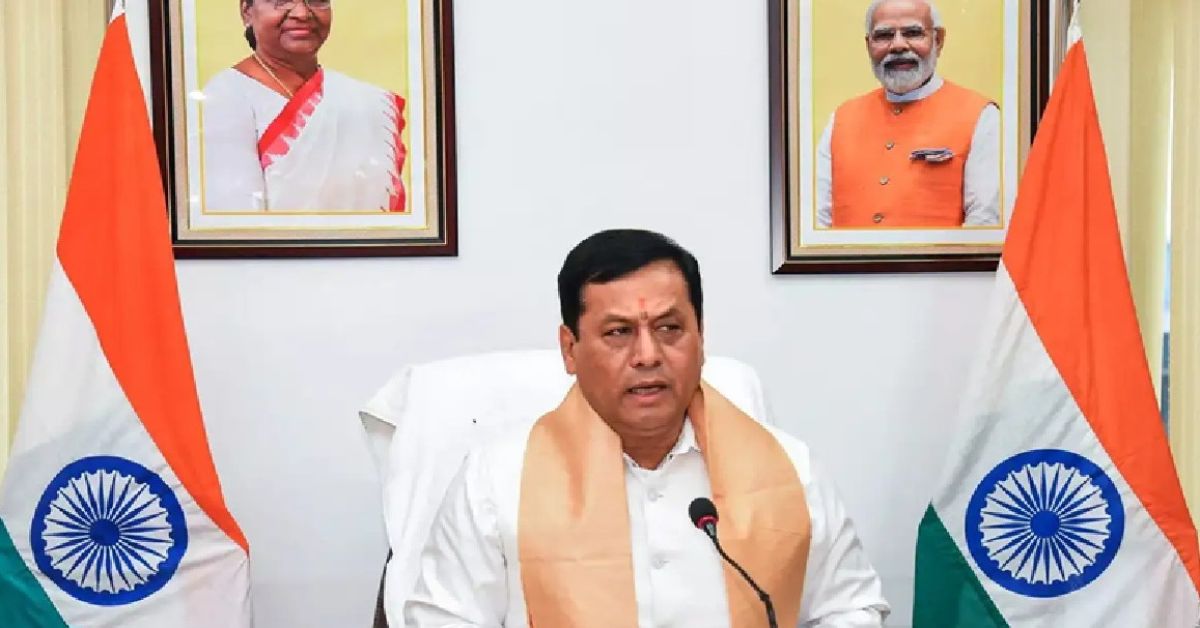

Union Minister for Ports, Shipping and Waterways Sarbananda Sonowal chaired a high-level stakeholder consultation in Mumbai on March 19, bringing together shipping lines, terminal operators, freight forwarders, and trade bodies to address the mounting fallout from the ongoing Strait of Hormuz disruption on Indian trade and maritime operations.
The meeting — formally themed ‘Strategic Adaptation to Evolving Global Shipping Dynamics’ — was held against the backdrop of a rapidly deteriorating situation in the Persian Gulf, where merchant vessel traffic has collapsed due to escalating military tensions involving Iran.
JNPA Container Backlog Halved
One of the most significant data points to emerge from the consultation was a partial easing of the export backlog at Jawaharlal Nehru Port Authority (JNPA), India’s largest container port. Stranded export containers have dropped from approximately 5,000 TEUs on March 1 to around 2,500 TEUs — a 50 per cent reduction — as shipping lines resumed limited sailings following diplomatic assurances from Tehran.
Around 16,000 TEUs of export cargo have since been dispatched to Middle East destinations, providing some relief to exporters who had faced extended delays and mounting demurrage charges. However, industry representatives cautioned that the situation remains volatile and that a full normalisation of services could take several weeks.
Government Pledges Immediate Action
Minister Sonowal cited the successful retrieval of Indian LPG vessels stranded in the Persian Gulf as evidence of the government’s capability to manage crisis situations at sea. He assured stakeholders that industry concerns would be addressed ‘immediately,’ without elaborating on specific policy measures under consideration.
Shipping ministry officials indicated that further measures, including coordination with the Directorate General of Shipping and diplomatic channels, are being explored to ensure continuity of Indian trade flows through the region.
Industry Urges Surcharge Regulation
Freight forwarders and exporters at the meeting pressed the ministry to take action against the steep War Risk Surcharges (WRS) being levied by international shipping lines — ranging from USD 1,500 to USD 4,000 per container — which they argue are unjustified and are severely impacting the competitiveness of Indian exports.
The Federation of Freight Forwarders’ Associations in India (FFFAI) has separately written to the ministry on this issue, calling for regulatory oversight of surcharge imposition during geopolitical disruptions.
The Hormuz crisis, which began on February 28 following Iranian military action against commercial shipping, has effectively shut the strait to international merchant traffic — disrupting India’s oil imports, LPG supply chains, and bilateral trade with Gulf Cooperation Council (GCC) nations.
 Join our WhatsApp channel for more updates:
 Subscribe to our YouTube channel for more updates: