July 2019
A new breed of digital platforms for freight forwarding is coming up with a promise of increased efficiency, better transparency and reduced logistics cost plus peace of mind guaranteed



A new breed of digital platforms for freight forwarding is coming up with a promise of increased efficiency, better transparency and reduced logistics cost plus peace of mind guaranteed

Off late, Bangladesh trade had been struggling with increased lead time and cost while moving cargo through conventional routes. The country is now exploring smarter options, which will possibly reroute its cargo through Indian east coast ports

More consultation with trade, industry bodies and also with
private enterprises can help the incoming government align policy
initiatives with industry expectations
Inefficiencies have remained a drag on the Indian textiles sector
for long. Plugging in new technologies, streamlining production
cost and developing favourable trade agreements with global
markets can enable the industry significantly increase its share in
the world market
With a stable government in place focusing on industrial and infrastructure development, Nepal is looking forward with a renewed hope for better logistics facilities in its hilly terrain, to bring down its logistics cost and make exports more competitive in the global market
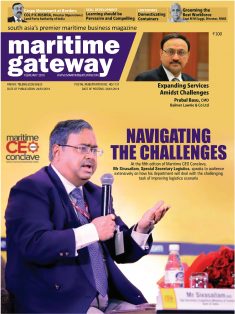
At the fifth edition of Maritime CEO Conclave, Mr SivaSailam,
Special Secretary Logistics speaks to audience extensively on how
his department will deal with the challenging task of improving
logistics scenario.

After a difficult and challenging 2018, industry forsees a further push in digitalisation, more initiatives from Government on ease-of-doing business and greater investment into logistics infrastructure.
Political leaders, diplomats and industry experts from India, Bangladesh and Sri Lanka reiterated the need to improve regional trade, remove trade barriers and promote regional integration

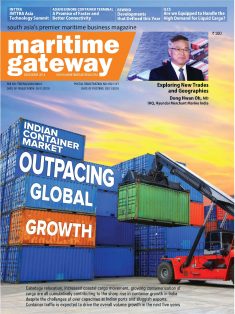
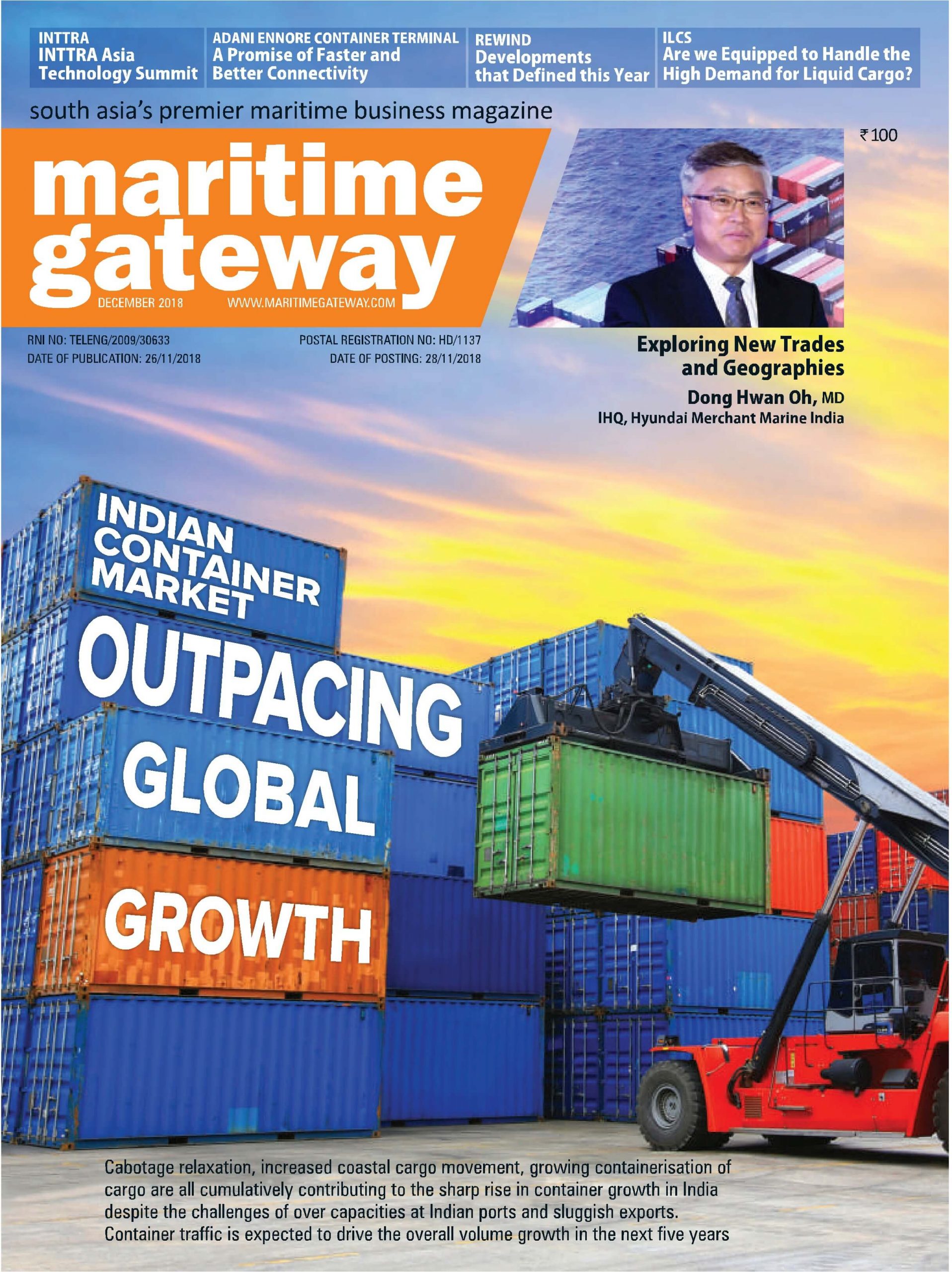
Cabotage relaxation, increased coastal cargo movement, growing containerisation of cargo are all cumulatively contributing to the sharp rise in container growth in India despite the challenges of over capacities at Indian ports and sluggish exports. Container traffic is expected to drive the overall volume growth in the next five years.
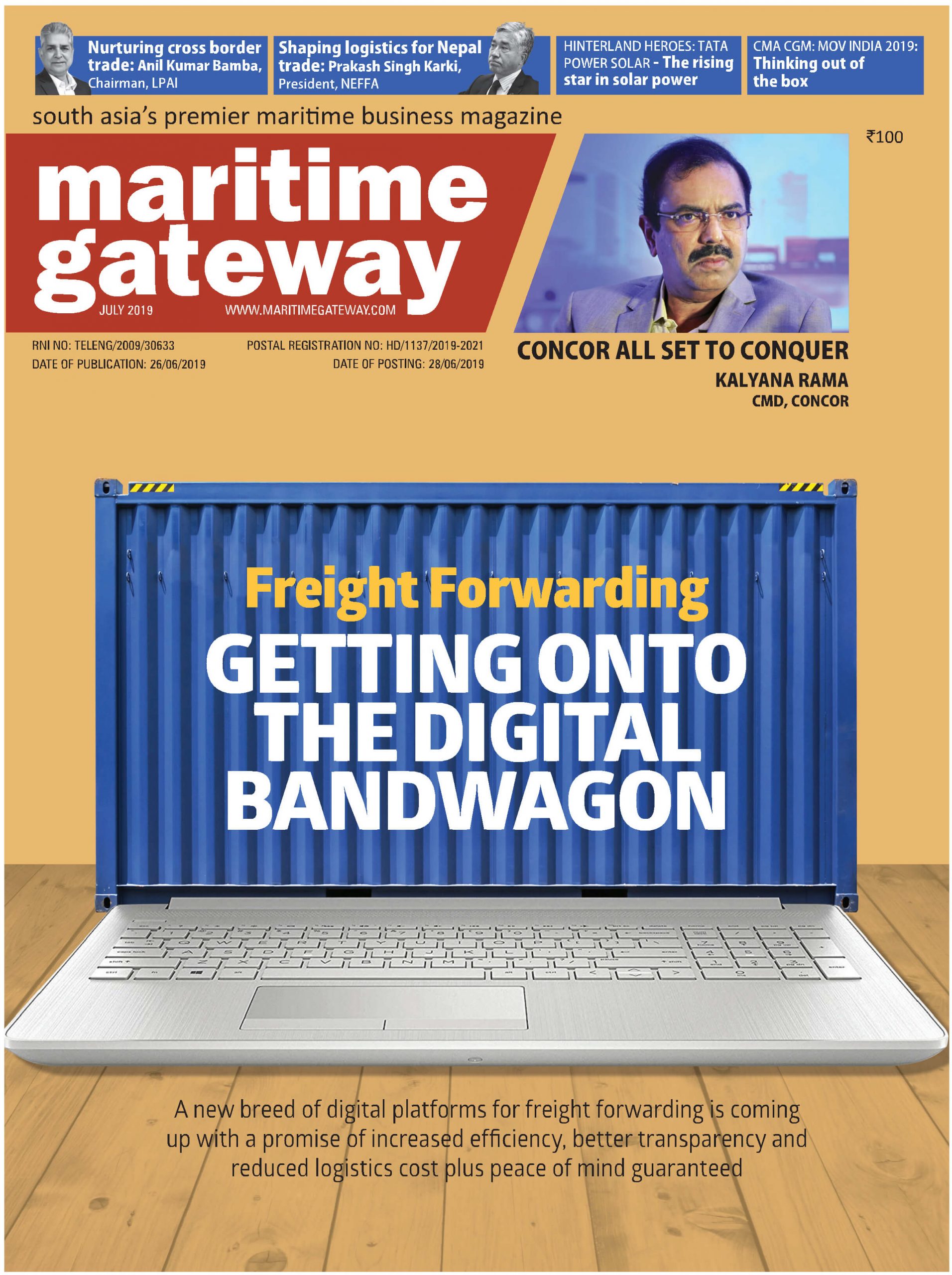
A new breed of digital platforms for freight forwarding is coming up with a promise of increased efficiency, better transparency and reduced logistics cost plus peace of mind guaranteed
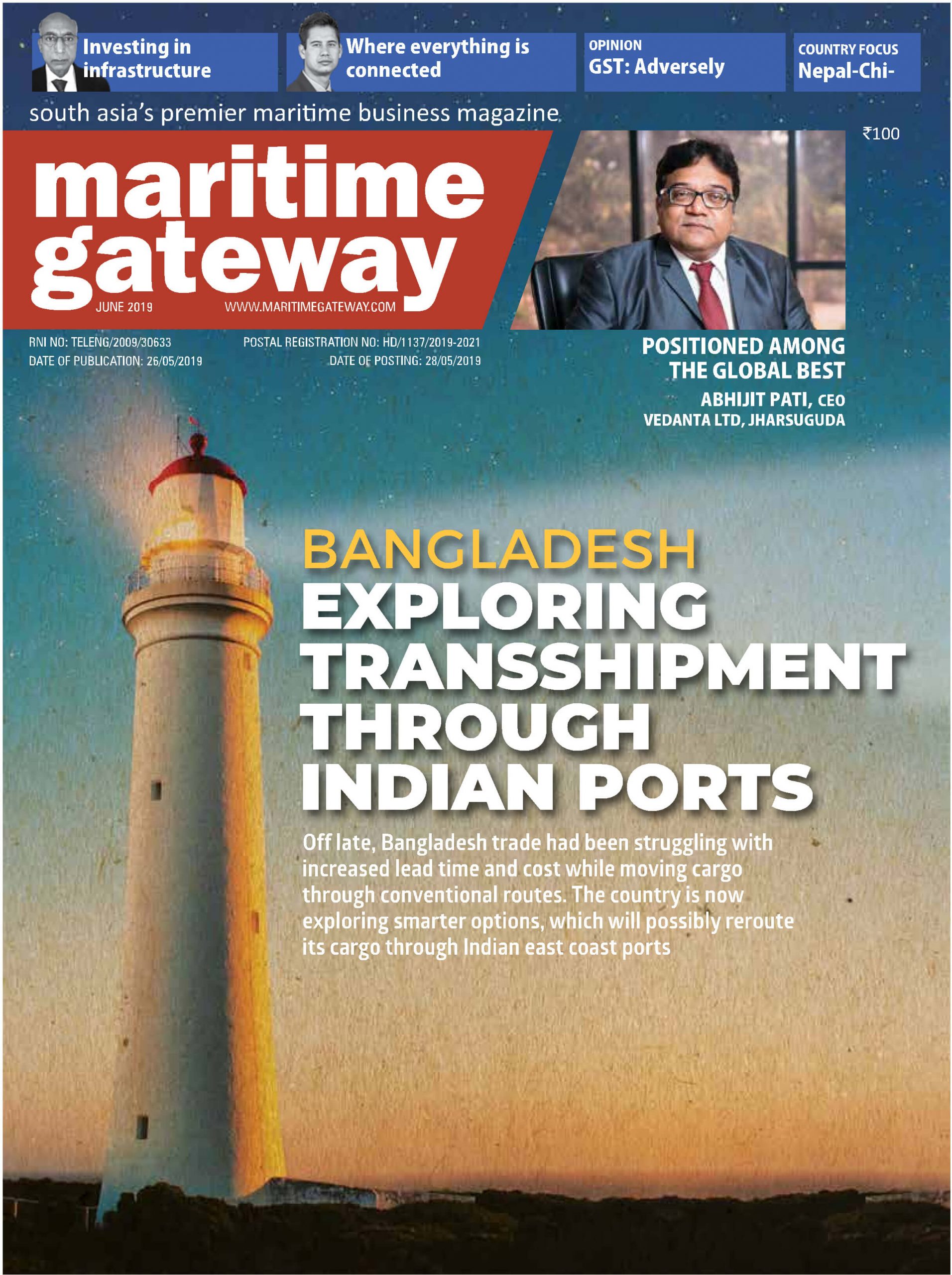
Off late, Bangladesh trade had been struggling with increased lead time and cost while moving cargo through conventional routes. The country is now exploring smarter options, which will possibly reroute its cargo through Indian east coast ports

More consultation with trade, industry bodies and also with
private enterprises can help the incoming government align policy
initiatives with industry expectations
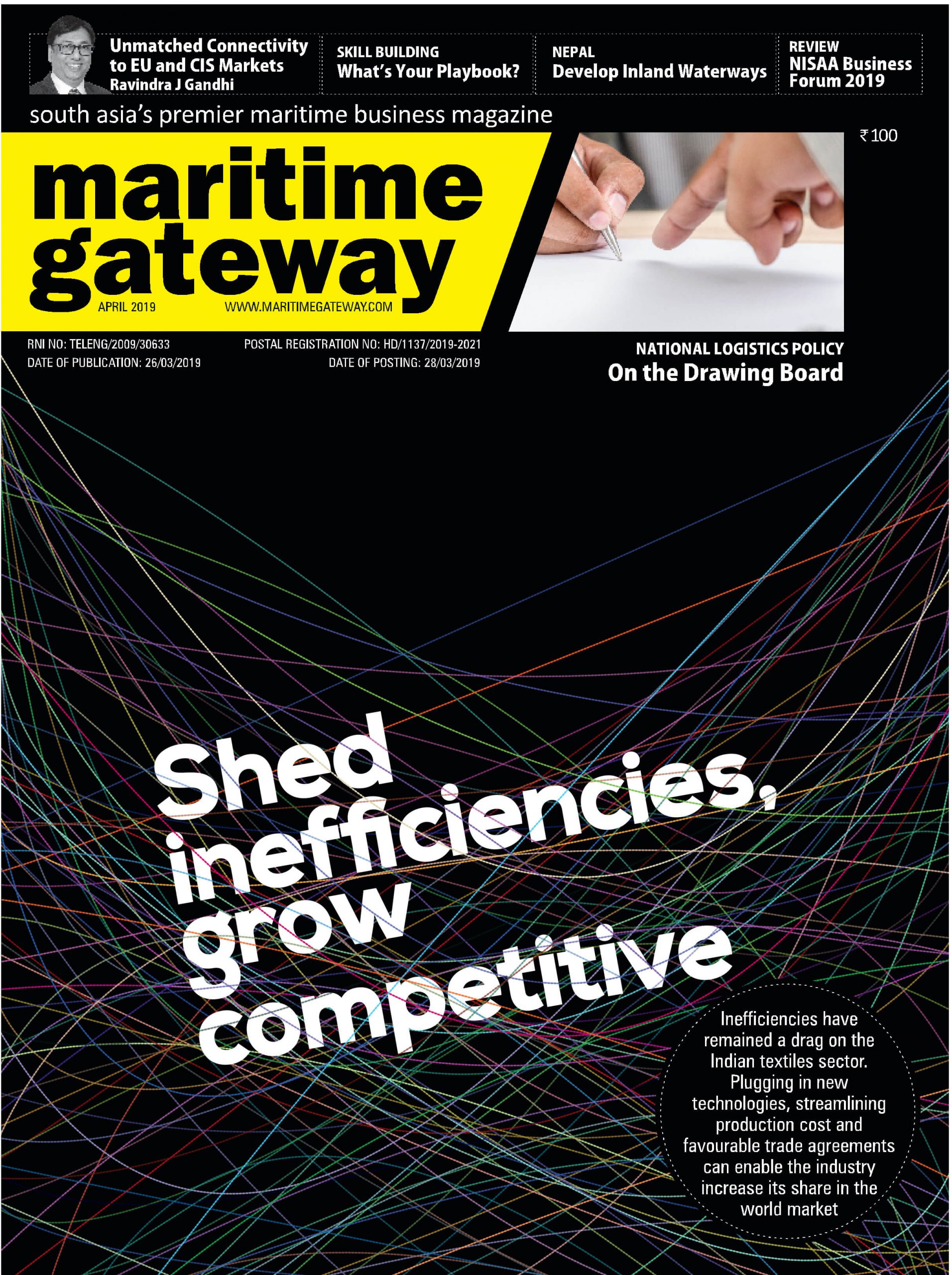
Inefficiencies have remained a drag on the Indian textiles sector
for long. Plugging in new technologies, streamlining production
cost and developing favourable trade agreements with global
markets can enable the industry significantly increase its share in
the world market
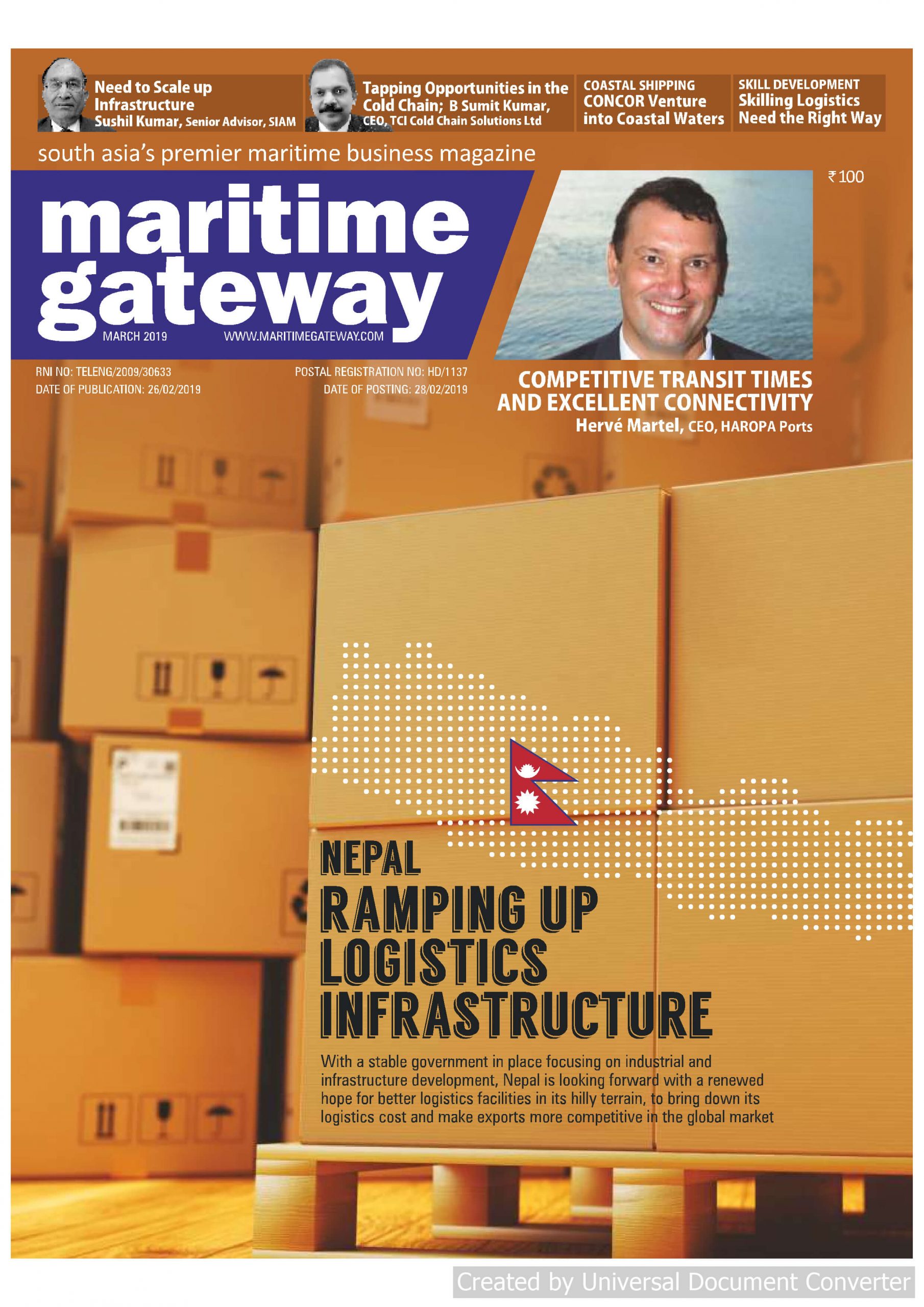
With a stable government in place focusing on industrial and infrastructure development, Nepal is looking forward with a renewed hope for better logistics facilities in its hilly terrain, to bring down its logistics cost and make exports more competitive in the global market
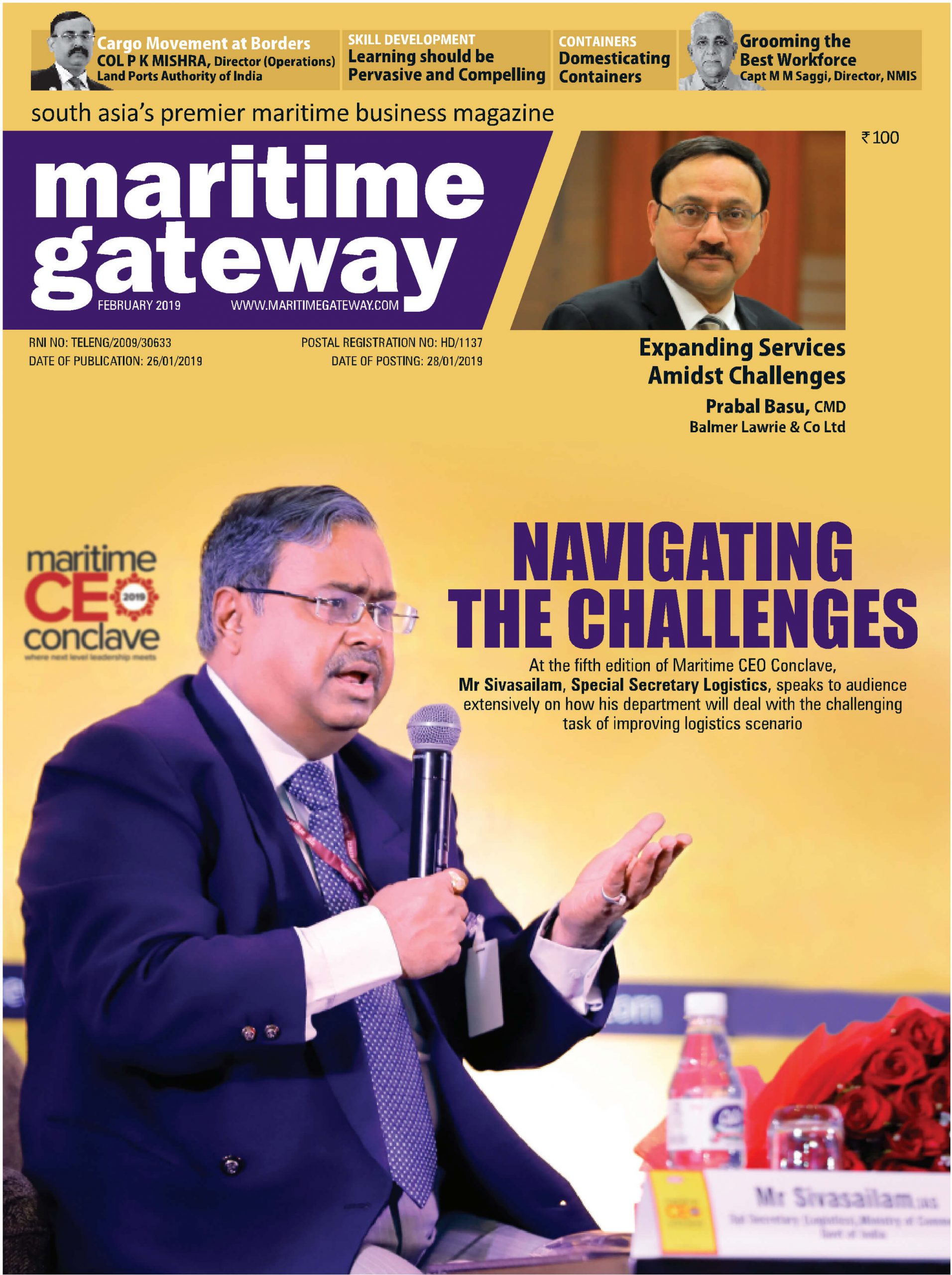
At the fifth edition of Maritime CEO Conclave, Mr SivaSailam,
Special Secretary Logistics speaks to audience extensively on how
his department will deal with the challenging task of improving
logistics scenario.
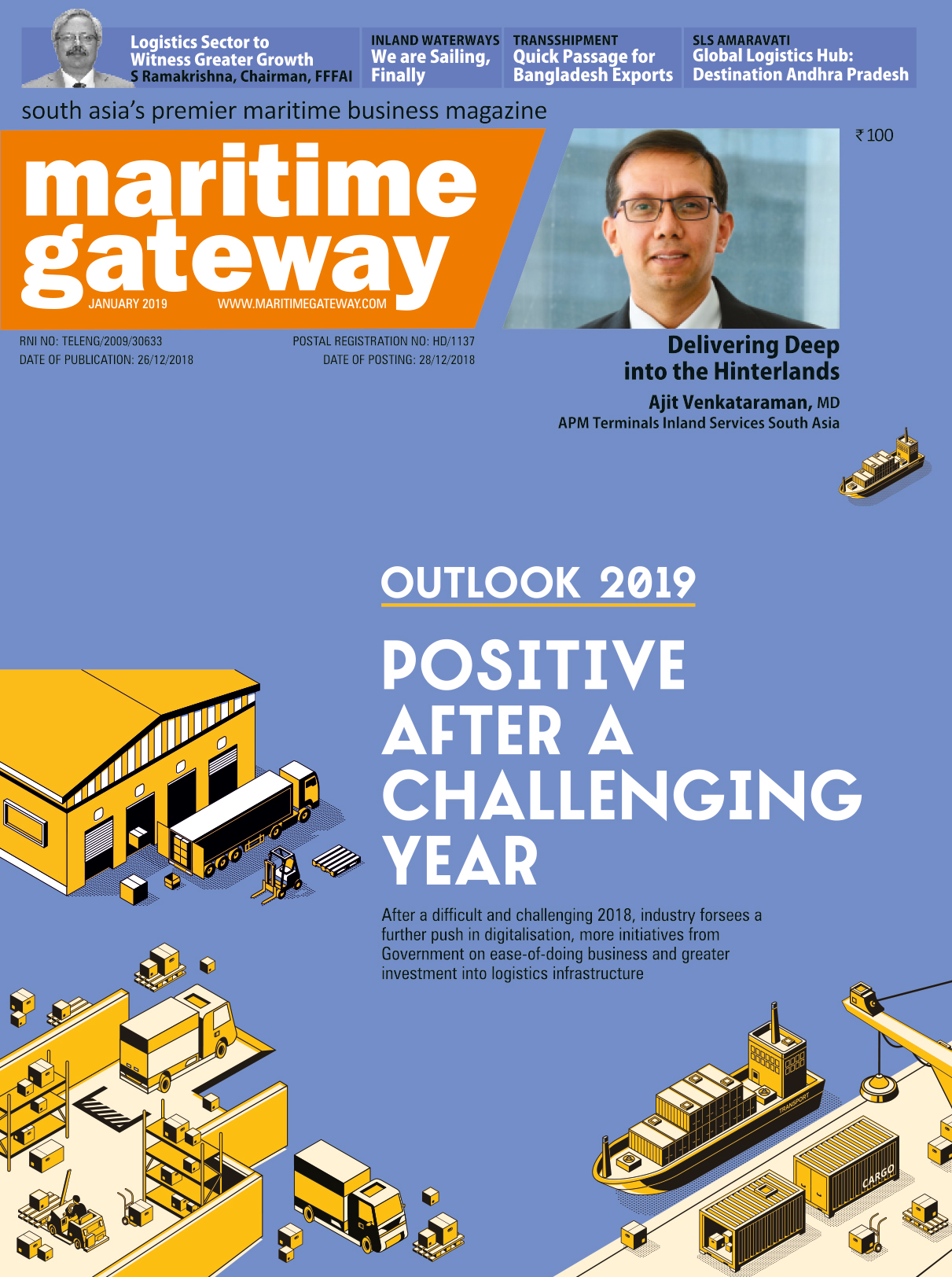
After a difficult and challenging 2018, industry forsees a further push in digitalisation, more initiatives from Government on ease-of-doing business and greater investment into logistics infrastructure.
Political leaders, diplomats and industry experts from India, Bangladesh and Sri Lanka reiterated the need to improve regional trade, remove trade barriers and promote regional integration

Cabotage relaxation, increased coastal cargo movement, growing containerisation of cargo are all cumulatively contributing to the sharp rise in container growth in India despite the challenges of over capacities at Indian ports and sluggish exports. Container traffic is expected to drive the overall volume growth in the next five years.