October 2018
The inaugural session set the tone for day-long deliberations that focussed on some of the recent changes and trends witnessed in the Indian containerised trade



The inaugural session set the tone for day-long deliberations that focussed on some of the recent changes and trends witnessed in the Indian containerised trade

Logistics and supply chain is the latest sector which is fast adapting and ready to experiment with its business model by implementing blockchain. The assurance from blockchain technology to find solutions to legacy issues and improve efficiency of existing business models has helped it to gain momentum. Every narrative has two sides to it, and can blockchain deliver what it promises?

The very synesis of a Port Community System is that it should be a neutral and open platform enabling intelligent and secure exchange of information to improve the efficiency and competitive position of the port communities. Globally, Port Community Systems are managed and maintained by operators who are neutral, independent, and a trusted third party

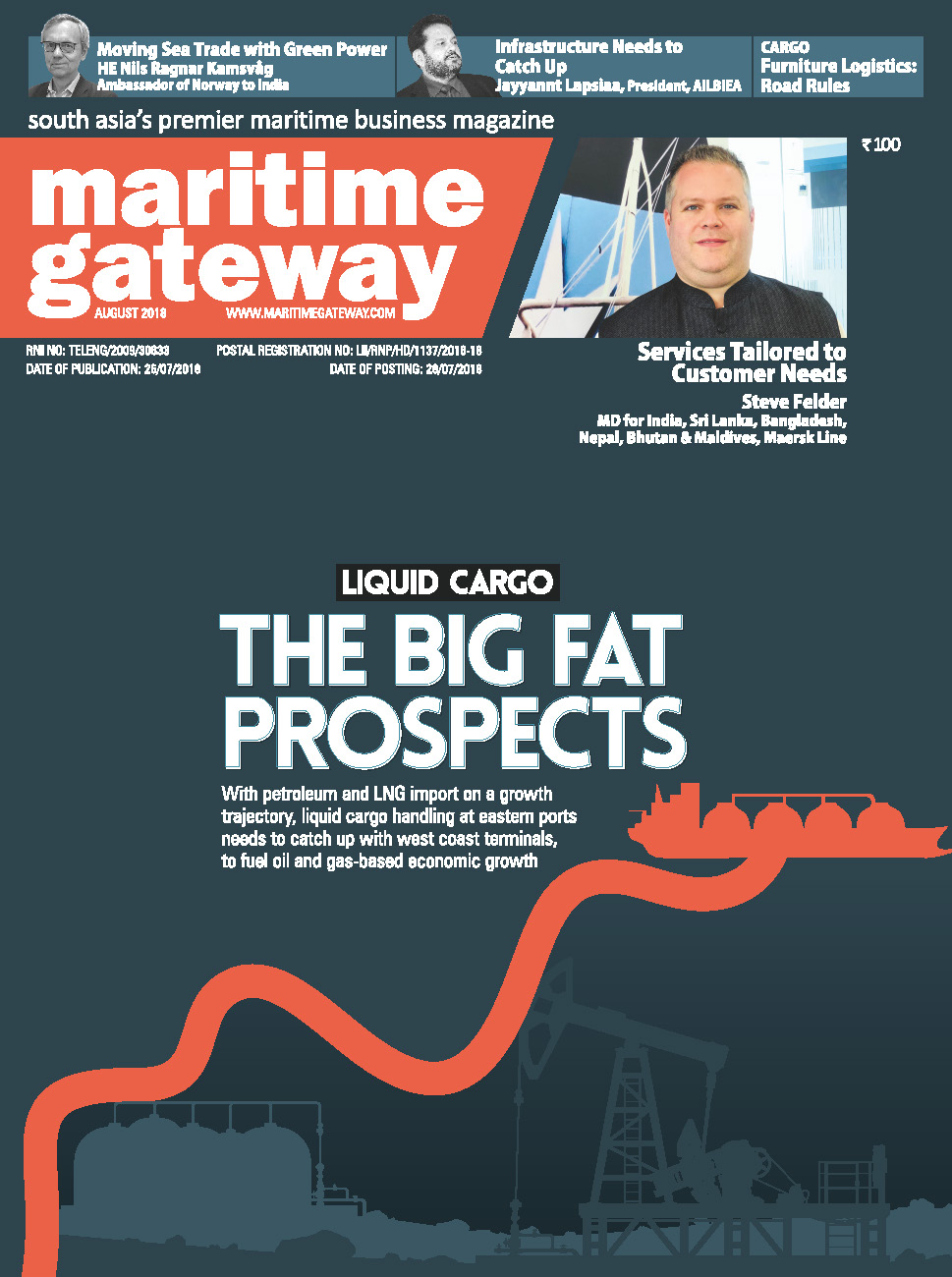
With Petroleum and LNG import on a growth trajectory, liquid cargo handling at eastern ports needs to catch up with west coast terminals to fuel oil and gas-based economic growth.

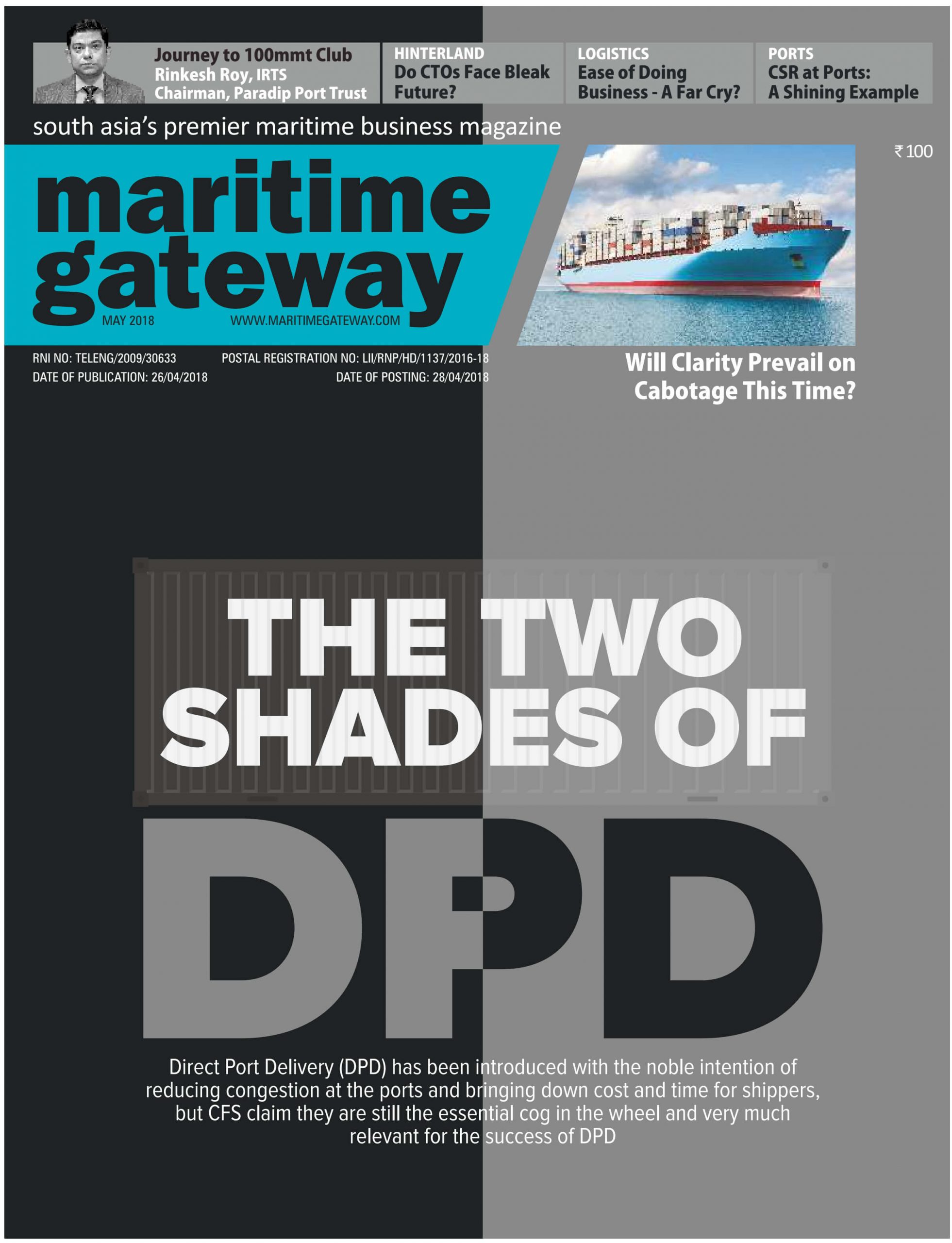
Direct Port Delivery (DPD) has been introduced with the noble intention of reducing congestion at the ports and bringing down cost and time for shippers, but CFS claim they are still the essential cog in the wheel and very much relevant for the success of DPD

South Asia has the potential to boost intra-regional trade to $100 billion in near future. This can be realised by shedding tariff and non-tariff barriers and improving logistics infrastructure

With a distinct advantage of being strategically located with access to the traditional domestic market, adjacent countries and also being a vantage entry point for the South-East Asian markets, this region is now the hot zone for infrastructure, connectivity and cargo movement

Coastal shipping has very obvious advantages over all other modes when it comes to costs. However coastal shipping has not had a smooth sailing so far. The government has announced a plethora of incentives and policies to promote coastal shipping. But these have not translated to realities on the ground.
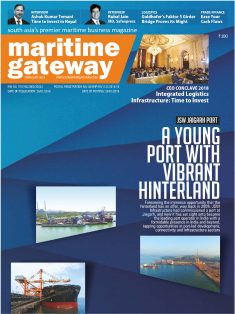
Industry leaders look forward to better days as the maritime sector treads on the revival track slowly, supported by favourable policies and focus on infrastructure development

The inaugural session set the tone for day-long deliberations that focussed on some of the recent changes and trends witnessed in the Indian containerised trade
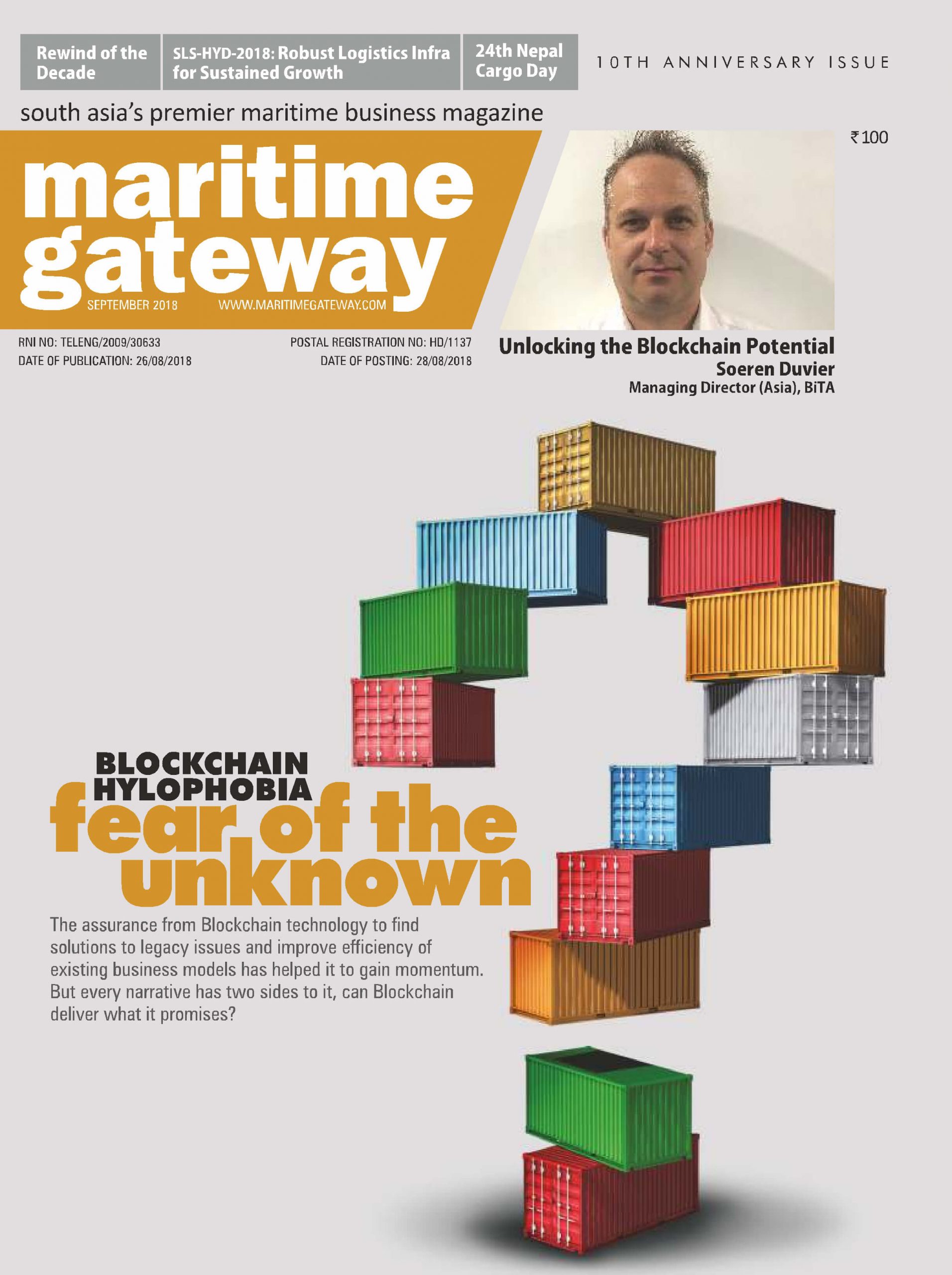
Logistics and supply chain is the latest sector which is fast adapting and ready to experiment with its business model by implementing blockchain. The assurance from blockchain technology to find solutions to legacy issues and improve efficiency of existing business models has helped it to gain momentum. Every narrative has two sides to it, and can blockchain deliver what it promises?
The very synesis of a Port Community System is that it should be a neutral and open platform enabling intelligent and secure exchange of information to improve the efficiency and competitive position of the port communities. Globally, Port Community Systems are managed and maintained by operators who are neutral, independent, and a trusted third party

With Petroleum and LNG import on a growth trajectory, liquid cargo handling at eastern ports needs to catch up with west coast terminals to fuel oil and gas-based economic growth.

Direct Port Delivery (DPD) has been introduced with the noble intention of reducing congestion at the ports and bringing down cost and time for shippers, but CFS claim they are still the essential cog in the wheel and very much relevant for the success of DPD
South Asia has the potential to boost intra-regional trade to $100 billion in near future. This can be realised by shedding tariff and non-tariff barriers and improving logistics infrastructure

With a distinct advantage of being strategically located with access to the traditional domestic market, adjacent countries and also being a vantage entry point for the South-East Asian markets, this region is now the hot zone for infrastructure, connectivity and cargo movement

Coastal shipping has very obvious advantages over all other modes when it comes to costs. However coastal shipping has not had a smooth sailing so far. The government has announced a plethora of incentives and policies to promote coastal shipping. But these have not translated to realities on the ground.
Industry leaders look forward to better days as the maritime sector treads on the revival track slowly, supported by favourable policies and focus on infrastructure development