




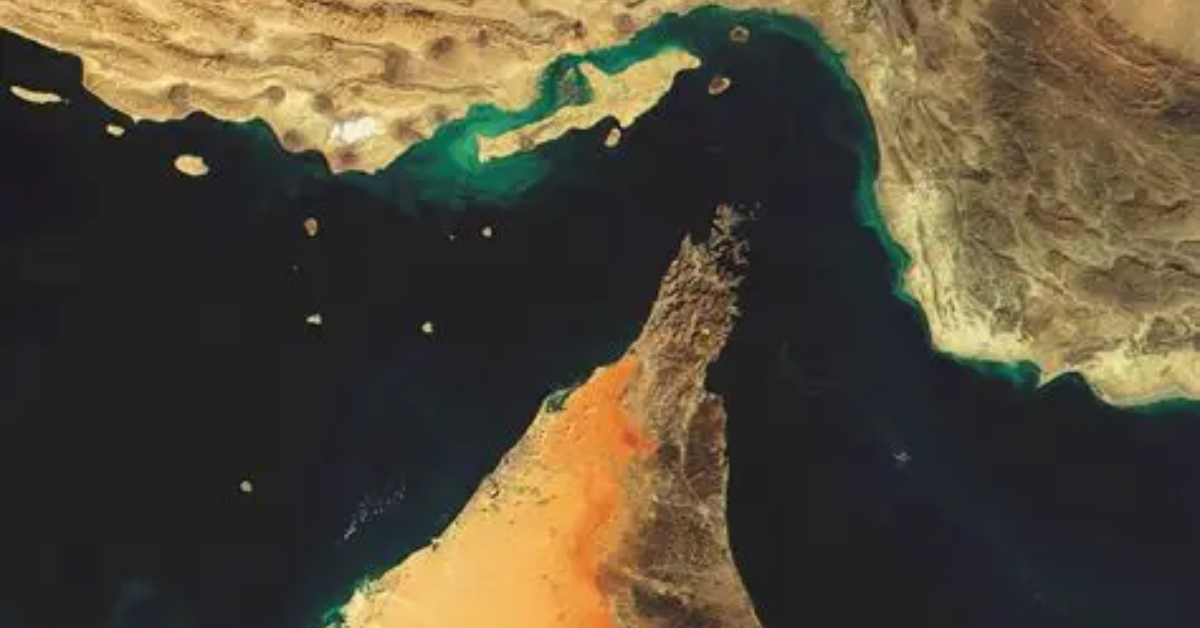

In ordinary times, the flow of Indian rice, meat, dairy, fruits, and spices to the Gulf region is a well-oiled, high-volume trade corridor supporting millions of livelihoods on both sides. These are not ordinary times. As conflict deepens across West Asia and the Strait of Hormuz becomes an increasingly contested maritime space, India’s agricultural exporters are confronting an existential crisis: how do you keep trade moving when the sea routes are no longer safe?
The answer, increasingly, runs through Oman. India is systematically rerouting its agricultural exports through Omani ports, primarily Sohar and Salalah which lie outside the Strait of Hormuz and offer overland GCC transport connections to Gulf markets. The shift has been driven by brutal economics: India’s exports to West Asia fell more than 28 per cent year-on-year in April 2026 as security risks made traditional shipping lanes untenable. Freight rates for rice shipments to the Gulf have reportedly surged nearly tenfold since March 2026. Across the board, overall freight costs to the Middle East and Africa have climbed by as much as 250 per cent, according to industry estimates.
Emergency conflict surcharges, skyrocketing war-risk insurance premiums, and extended transit times have gutted profit margins for exporters who were already operating in a highly competitive global market. Many smaller exporters say they are simply unable to absorb these costs, putting a significant share of India’s $11.8 billion annual food export trade to West Asia in jeopardy.
India has responded on multiple fronts. At the diplomatic level, New Delhi is in active discussions with Muscat to formalise logistical and trade support arrangements that would secure Oman’s role as a transit hub for Indian cargo. Officials and industry sources confirm that India is exploring alternative transshipment arrangements to ensure the uninterrupted movement of essential commodities — from rice and sugar to spices and processed foods — to West Asian buyers.
Oman’s strategic geography makes it a natural partner. Positioned on the Arabian Sea with ports that face the open ocean rather than the contested Gulf, Sohar and Salalah can receive Indian cargo and facilitate onward distribution via road across Saudi Arabia, the UAE, Kuwait, and other Gulf Cooperation Council nations. For Indian exporters, the routing adds transit time and cost, but it offers one crucial advantage: security.
The upcoming India-Oman Comprehensive Economic Partnership Agreement (CEPA), scheduled to take effect on June 1, 2026, adds a further layer of strategic rationale to the rerouting strategy. The pact is expected to provide 98 per cent duty-free access for Indian exports to Oman — a significant cost advantage that could, over time, help offset higher freight expenses and make the Oman corridor more commercially viable.
But risks remain elevated and complex. Security threats have expanded geographically, with drone strikes reportedly targeting infrastructure near Salalah earlier this year. And even as India works to secure its food trade, the broader instability across West Asia shows little sign of abating. For Indian agricultural exporters, the Oman pivot is not a perfect solution, it is a lifeline born of necessity.
 Join our WhatsApp channel for more updates:
 Subscribe to our YouTube channel for more updates: