



As sea freight routes through the Persian Gulf remain severely disrupted, India’s air cargo sector is absorbing a growing share of the logistical burden of maintaining supply chain links with the UAE and broader Gulf markets — with both commercial operators and port-proximate exporters feeling the pressure in different ways.
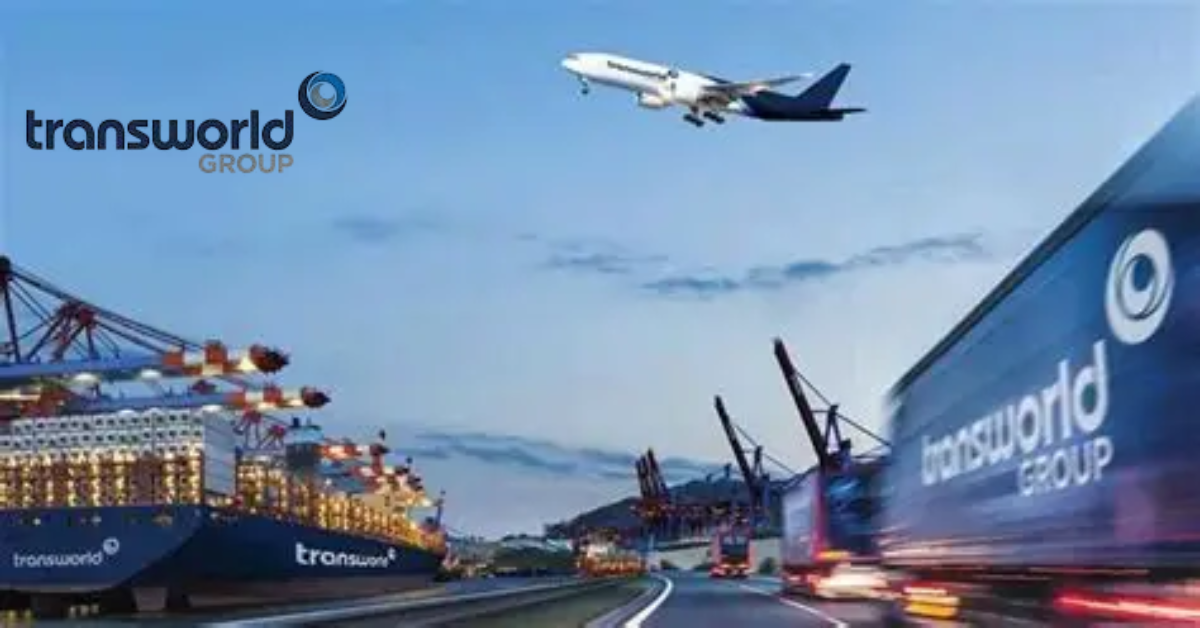
Transworld Group, the Mumbai-headquartered conglomerate with operations spanning shipping, supply chain, aviation, and food solutions, successfully operated a dedicated air charter service on the Sharjah–Mumbai–Sharjah sector on March 24, 2026, ensuring the seamless movement of food products and essential commodities between India and the United Arab Emirates during a period of acute route uncertainty. The charter represents one of the more proactive private sector responses to the Gulf shipping disruption, with Transworld leveraging its multi-modal capabilities to maintain the continuity of trade flows that might otherwise have been interrupted.
India–UAE Trade Corridor Under Acute Pressure
The India-UAE corridor is one of the world’s busiest bilateral trade lanes, with goods ranging from fresh produce, pharmaceuticals, textiles, and engineering products moving in both directions at high frequency. The UAE-India Comprehensive Economic Partnership Agreement (CEPA), which came into force in 2022, has significantly deepened trade ties and increased the volume of time-sensitive cargo flows — making any disruption to the corridor’s logistics particularly costly for businesses on both sides.
With sea freight services suspended or severely curtailed by Gulf shipping lines, air cargo has become the primary viable mode for time-sensitive and high-value shipments. However, air freight rates have surged 250-300 per cent on India-Gulf routes since the crisis began, making the economics of air freight unviable for low-value, high-volume cargo categories. Transworld’s decision to operate a dedicated charter circumvents the spot market rate surge and gives its customers predictable capacity at negotiated rates — a model other integrated logistics players may look to replicate.
Coimbatore Airport Exports Under Siege
In Tamil Nadu, exporters shipping through Coimbatore International Airport are facing a sharply deteriorating operational environment as the West Asia conflict disrupts Gulf air cargo routes. Coimbatore is a major hub for exports of engineering goods, textiles, hosiery, and specialised machinery components, with the Middle East among its most important export destinations.
Airlines operating on Gulf routes have adjusted schedules and reduced capacity amid regional instability, creating congestion and booking uncertainty at Coimbatore’s cargo facilities. Exporters report delays in shipments, sharply higher freight quotes, elevated war-risk insurance premiums, and in some cases the inability to book cargo at any price due to capacity constraints. The situation is particularly damaging for perishable agricultural exports and time-sensitive industrial components where delayed delivery can result in contract penalties or order cancellations.
Air Cargo India 2026: Platform for Solutions
The industry-wide stress on air cargo comes ahead of Air Cargo India 2026, the 11th edition of Asia’s premier air cargo exhibition, scheduled to be held at the Jio World Convention Centre in Mumbai. The event — co-located this year with the inaugural Transport Logistic India 2026 — will bring together airlines, freight forwarders, infrastructure developers, and logistics technology firms in what promises to be a particularly timely industry gathering given the extraordinary pressures the air cargo sector is currently navigating. The exhibition footprint has expanded 43 per cent compared to the previous edition, reflecting the strong appetite for collaboration and solutions in what is an increasingly complex and interconnected logistics environment.
 Join our WhatsApp channel for more updates:
 Subscribe to our YouTube channel for more updates: