


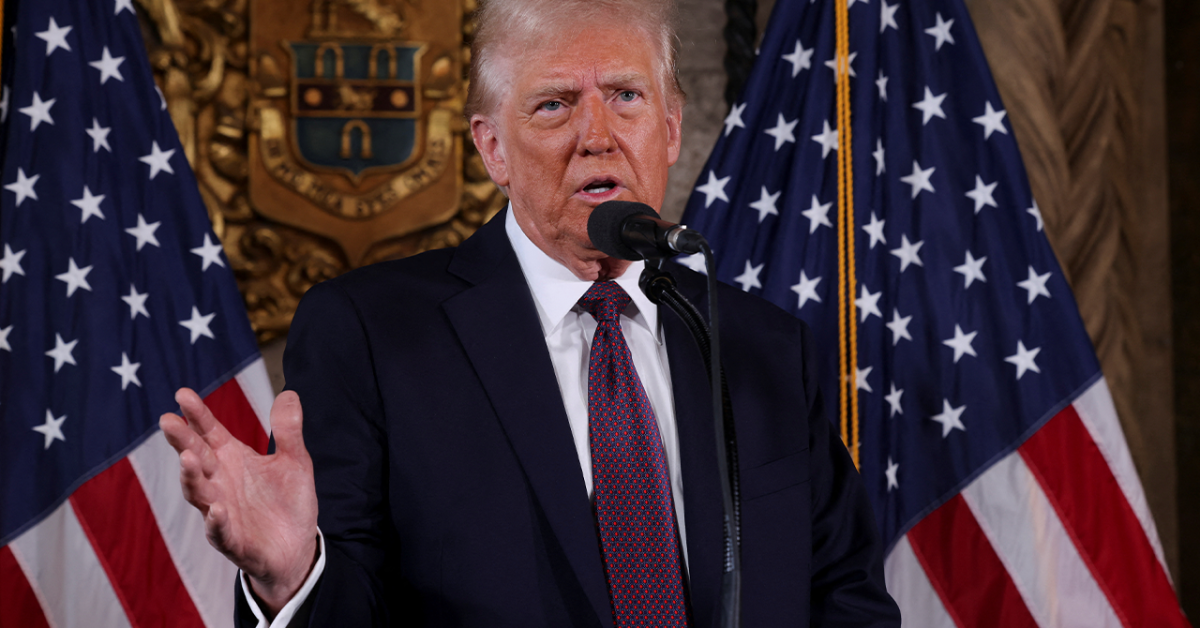

US President Donald Trump declared on March 31 that ‘the hard part’ of the Iran conflict had been completed, signalling a willingness to wind down military engagement even if the Strait of Hormuz remains largely closed to commercial shipping — a statement that markets and maritime observers are parsing carefully for what it means for the timeline and pathway to resolution of the most severe maritime disruption in recent history.
In a social media post, Trump urged countries facing fuel shortages due to the Hormuz closure to either purchase oil from the United States or take direct action themselves to secure access. He specifically criticised the United Kingdom for not contributing militarily, suggesting it should ‘build up some delayed courage’ and secure the strait independently, adding: ‘The U.S.A. won’t be there to help you anymore.’ The statement, while provocative in diplomatic terms, reflects an internal administration assessment that prolonged military engagement risks exceeding the originally targeted four-to-six week operational timeframe.
Hormuz Down to Single-Digit Daily Transits
The Trump statement arrives as AIS data confirms that the Strait of Hormuz has reached its most severe operational closure yet. Before the conflict began on February 28, more than 100 vessels transited the strait daily. In the past week, according to analysts tracking vessel tracking data, that figure has dropped to single digits — a collapse of more than 95 per cent of normal traffic that represents the effective maritime isolation of the entire Persian Gulf from the global ocean shipping network.
The practical consequences of this near-total closure are now fully visible across global energy and commodity markets. Shipping traffic between Asia and the Middle East has fallen sharply across all vessel categories, and the few transits that are occurring — mostly involving Chinese and Indian-flagged vessels with specific Iranian clearances — do so at significant risk and under unusual routing protocols that bypass the main channel south of Larak Island in favour of Iran’s own designated northern corridor.
Folk Maritime Pivots to Red Sea for India–Gulf Service
Commercial carriers are adapting their service networks in real time to the new routing reality. Saudi Arabia’s container shipping carrier Folk Maritime has shifted its India-Gulf service to focus on the Red Sea, rerouting vessels away from Persian Gulf calls and instead serving Saudi Red Sea ports including Jeddah and King Abdullah Port. The pivot allows Folk Maritime to maintain India-Saudi commercial connectivity via a corridor that, while exposed to residual Houthi risks, does not require Hormuz transit.
A tanker attack near Dubai has further heightened security concerns along the UAE coast, adding to a roster of incidentsmaking the waters around the Arabian Peninsula increasingly hazardous for commercial shipping. The combination of the Trump wind-down signal, the Hormuz transit collapse, Folk Maritime’s service rerouting, and the Dubai tanker incident collectively paints a picture of a crisis that is evolving rather than resolving, with diplomacy potentially becoming more active even as the immediate security environment remains dangerous.
 Join our WhatsApp channel for more updates:
 Subscribe to our YouTube channel for more updates: