



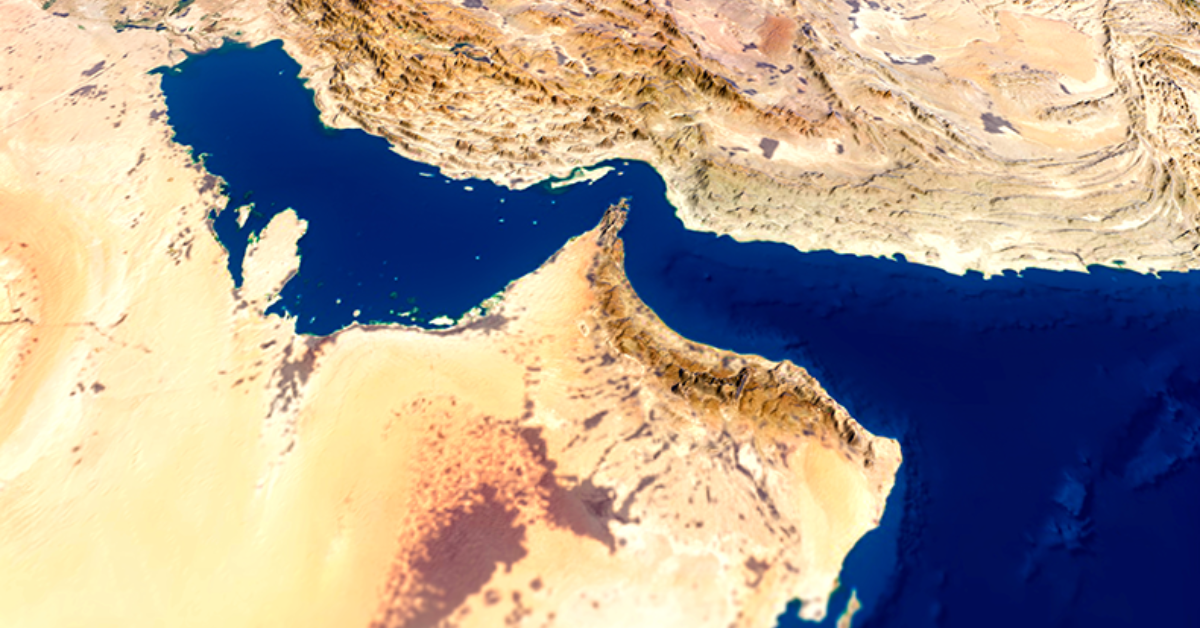

Two LPG tankers carrying fuel cargoes for India have successfully transited the Strait of Hormuz, providing temporary relief to Indian energy importers who have been managing acute LPG supply constraints since the crisis effectively closed the strait to commercial traffic in late February. The vessels navigated through the strategically critical waterway under heightened security monitoring, marking the latest in a series of successful Indian energy vessel transits that have been facilitated through India’s bilateral diplomatic engagement with Iran. The transit brings the accumulating total of Indian LPG carrier Hormuz passages to double digits since the crisis began.
The news arrives alongside a significant global energy routing development: Saudi Arabia’s Aramco is ramping up crude oil exports through its Red Sea terminals to more than 5 million barrels per day — utilising the existing East-West Pipeline that connects the kingdom’s eastern oil fields to the Red Sea port of Yanbu. This alternative routing bypasses Hormuz entirely, providing Aramco with a way to maintain export volumes to Asian and European buyers even as the Persian Gulf exit remains severely disrupted.
The East-West Pipeline: Saudi Arabia’s Hormuz-Free Card
Saudi Arabia’s East-West Pipeline, which has a capacity of approximately 5 million barrels per day, was originally built as a strategic redundancy, precisely against the scenario of Hormuz closure. The pipeline runs approximately 1,200 kilometres from Abqaiq in the Eastern Province to Yanbu on the Red Sea coast, where tankers can load and sail either northward through the Suez Canal or southward around the Cape of Good Hope to reach Asian buyers. The pipeline capacity at full utilisation can move a significant fraction of Saudi Arabia’s total crude export volumes — making Aramco partially immune to Hormuz disruption in a way that Gulf rivals Kuwait, Iraq, Qatar, and Iran are not.
For India, Saudi Arabia’s Yanbu routing is commercially significant because it means that Saudi Aramco crude — which Indian refiners including HPCL and IOCL process under long-term supply agreements — can continue to flow even if the IRGC maintains its effective Hormuz interdiction for non-favoured flag vessels. Saudi crude arriving via Yanbu-Cape routing takes longer to reach India (30-40 days versus 10-15 days for Gulf routing) and costs more in freight, but represents a viable and legally unencumbered supply alternative that does not require navigating either US sanctions on Iranian transactions or IRGC transit fee payments.
India’s Energy Import Diversification: The Full Scoreboard
The two LPG Hormuz transits and Saudi Arabia’s Red Sea pivot together update the scorecard of India’s energy supply diversification that has unfolded across the 11 weeks of the crisis. India has tripled Russian crude imports, received its first Iranian crude in seven years (under the now-expired US waiver), sourced emergency LNG from the US, West Africa, and Russia, issued a record 2.5 million tonne urea emergency tender, and managed domestic gas consumption cuts of 10-20 per cent for industrial users. The Bharat Maritime Insurance Pool provides the domestic insurance backstop, the 437-vessel fleet plan provides the long-term supply chain self-reliance framework, and the US-Iran 14-point MOU negotiations provide the diplomatic pathway to normalisation.
 Join our WhatsApp channel for more updates:
 Subscribe to our YouTube channel for more updates: