


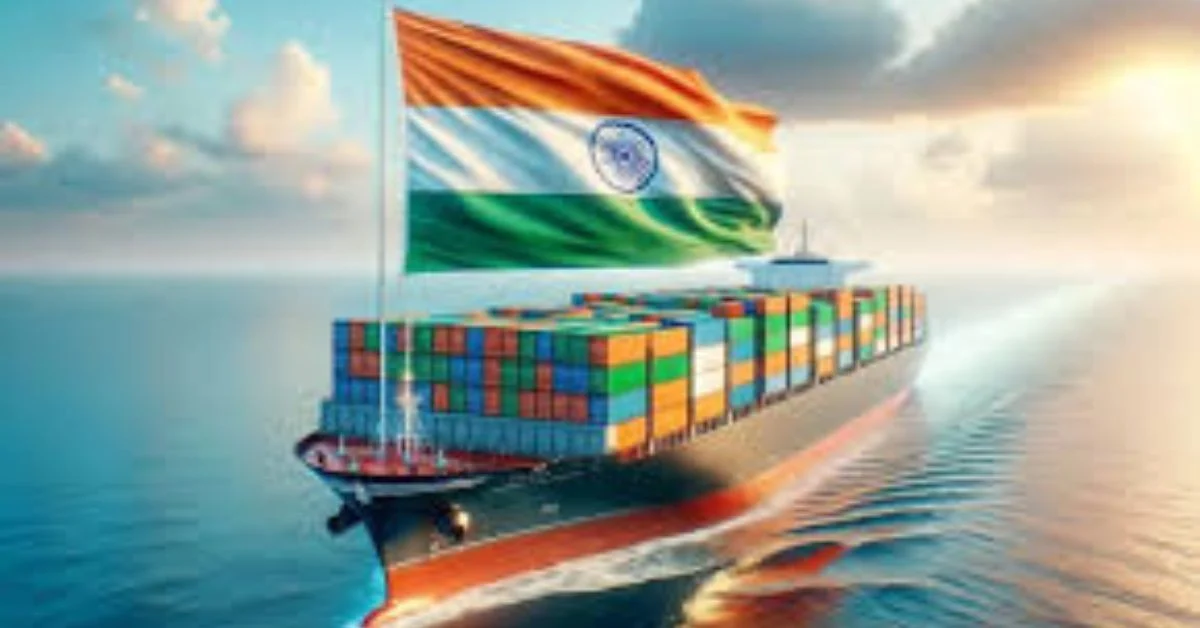

India’s Union Budget 2026-27 allocates Rs 5,164.8 crore to the Ministry of Ports, Shipping, and Waterways—a 48% hike from FY26—positioning maritime infrastructure as a cornerstone for economic growth under Maritime Amrit Kaal Vision 2047. Key measures target logistics cost reduction, domestic shipping revival, and multimodal connectivity to handle rising trade volumes.
Core Allocations and Initiatives
The budget launches the Coastal Cargo Promotion Scheme to shift freight from road/rail to sea, aiming to double inland waterways and coastal shipping’s modal share from 6% to 12% by 2047. It operationalizes 20 new national waterways in five years, enhances 20 existing ones, and introduces a Container Manufacturing Assistance Scheme (CMAS) tied to Bharat Container Shipping Line.
Shipbuilding receives Rs 25,000 crore via the Maritime Development Fund, infrastructure status for commercial vessels, and mega clusters to lift India’s 0.06% global share. Dedicated freight corridors like Dankuni-Surat bolster port hinterlands, while port modernization gets priority funding.
Industry Implications
Efficiency Gains: Lower logistics costs (currently 14% of GDP vs. 8% global average) through faster turnarounds and green corridors could save billions annually, aiding MSMEs and exports. Coastal incentives may cut EXIM freight payments of Rs 6 lakh crore to foreign lines.
Job Creation and Capacity: Ship repair hubs, dry ports, and logistics parks promise 1 million+ jobs, with waterways unlocking mineral-rich regions like Odisha’s NW-5 for Paradip/Dhamra ports. Private players like Adani Ports stand to gain from traffic surges.
Sustainability Edge: Green shipping mandates and EV fleets align with net-zero goals, attracting ESG investments. Challenges include execution risks, land acquisition, and private funding mobilization amid global overcapacity.
Overall, Budget 2026 shifts from policy design to implementation, potentially transforming India into a top-5 shipbuilder and logistics hub by 2047 if bottlenecks are cleared.
 Join our WhatsApp channel for more updates:
 Subscribe to our YouTube channel for more updates: