



In a 6-3 ruling on February 20, 2026, the US Supreme Court invalidated President Trump’s “reciprocal” tariffs imposed under the 1977 International Emergency Economic Powers Act (IEEPA), deeming them unlawful.
The decision voids broad tariffs on over 100 countries, including India, China, Canada, Mexico, Brazil, and others like the “Liberation Day” levies from spring 2025, potentially unlocking billions in refunds for US importers. Section 232 tariffs on steel, aluminum, autos, and lumber remain intact, as do other non-IEEPA measures.
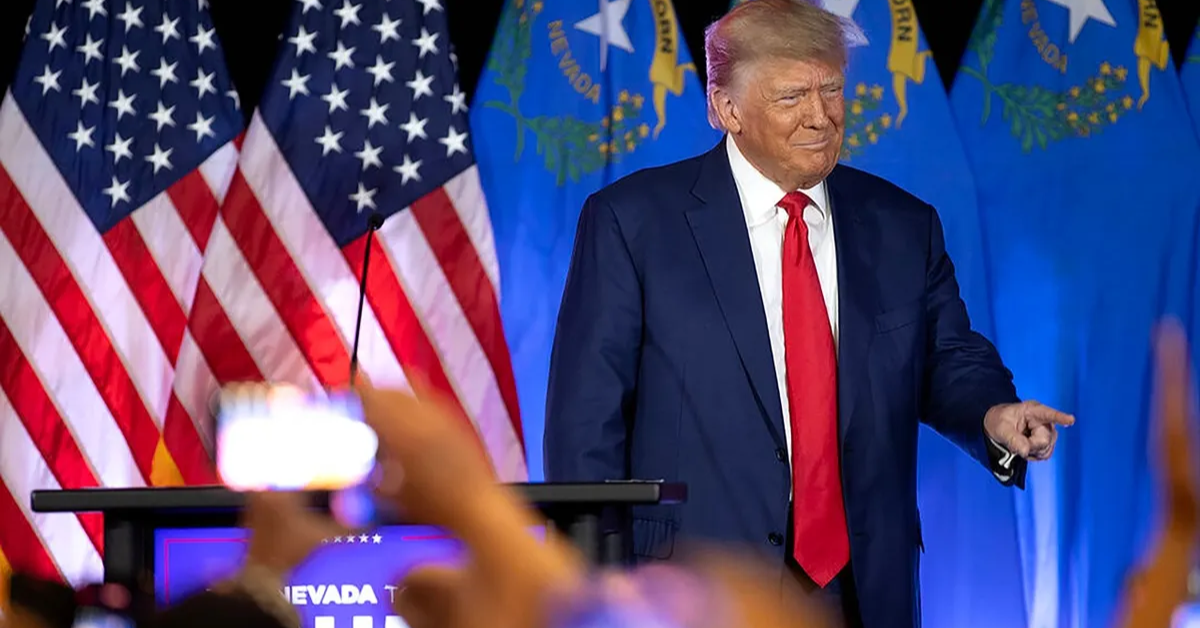
Trump slammed the “activist” court—joined by Roberts, Gorsuch, Barrett, and liberals—vowing a 10% global tariff executive order as a workaround to sustain revenue and policy. Recent deals with Taiwan and Indonesia face uncertainty, though trading partners may hold firm.
The ruling boosts Indian exporters by restoring competitiveness in the US market, aiding sectors like textiles and pharma hit by prior duties. It could spur container volumes on India-USEC routes, aligning with Maersk expansions and Hamburg’s India surge amid US tariff flux. Refunds hinge on lower court processes, with importers like Costco queuing up.
 Join our WhatsApp channel for more updates:
 Subscribe to our YouTube channel for more updates: