



India’s logistics infrastructure pipeline continued to advance this week with a cluster of road, rail, and airport cargo projects that collectively reinforce the government’s multimodal connectivity agenda — providing the hinterland and intermodal linkages that port and rail investments require to function as end-to-end supply chain assets rather than standalone facilities.
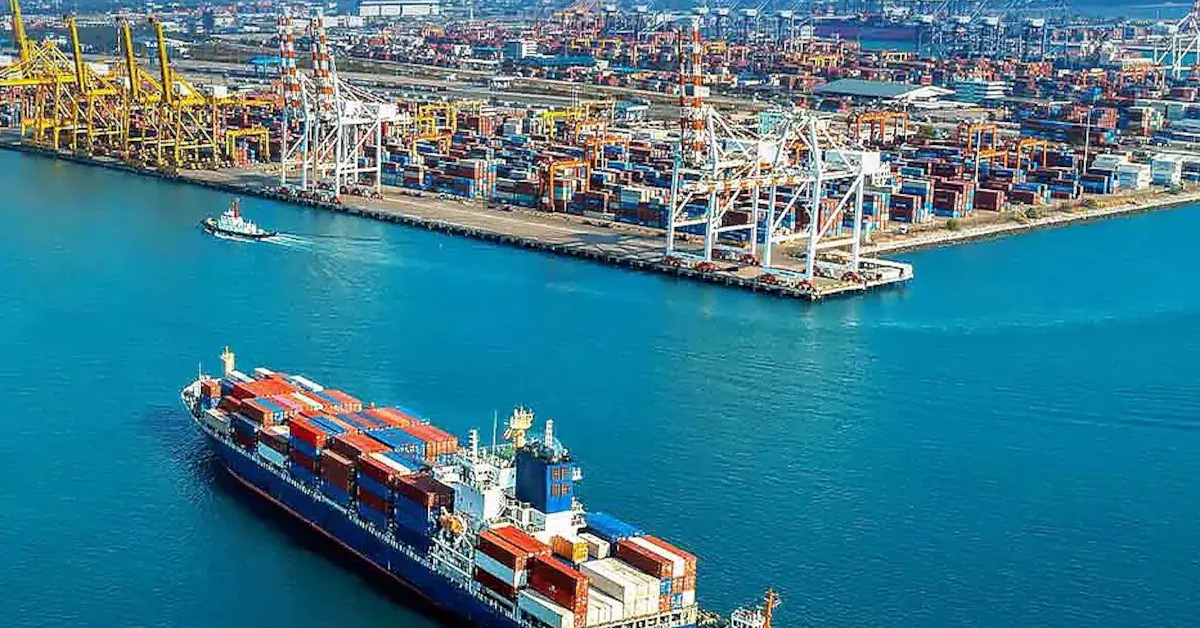
The National Highways Authority of India has awarded a ₹2,360 crore contract for the construction of an expressway link connecting Vadhvan Port in Maharashtra to the national highway network. The project is strategically essential for Vadhvan Port — currently under development as one of India’s largest upcoming deep-draft container and bulk ports, with a planned capacity of approximately 23.2 million TEUs per year — because the quality and speed of cargo evacuation infrastructure will determine whether the port can attract the mainline vessel calls and logistics operator investment needed to justify its scale. The expressway link will integrate with existing national highway networks, ensuring seamless connectivity for container and bulk cargo traffic while relieving congestion on current routes.
Gulaothi Gati Shakti Terminal Opens on EDFC
The newly developed Gulaothi Gati Shakti Cargo Terminal on the Eastern Dedicated Freight Corridor was inaugurated by DFCCIL Managing Director Praveen Kumar in the presence of senior officials. The terminal is designed to handle approximately 40 rakes per month — translating to an annual capacity of around 2 million tonnes of cargo. Outbound flows from Gulaothi will serve states including Assam, Punjab, and Maharashtra, carrying textiles, agricultural produce, and electrical goods, while inbound flows will support local industrial and consumption demand.
The Gulaothi terminal is part of the broader DFCCIL strategy to develop private freight terminal infrastructure along DFC corridors, enabling cargo origination and destination points beyond the major port-linked terminals. A pre-bid meeting has separately been held for the development of a Gati Shakti Multimodal Cargo Terminal at New Shambhu station under Schedule II of the GCT Policy, reflecting continued momentum in private sector terminal development alongside the public investment in corridor infrastructure.
Mumbai Eyes Dubai-Style Cargo Hub
Mumbai is positioning itself as a future-ready logistics powerhouse with plans to develop a Dubai-style integrated cargo hub that combines air freight, warehousing, and multimodal transport infrastructure into a single ecosystem. The proposed hub is intended to mirror the efficiency and scale of global logistics centres like Dubai South, incorporating world-class cargo handling facilities, advanced automation, digital tracking, and seamless customs clearance processes. Authorities are focusing specifically on improving connectivity between Mumbai’s seaports, the upcoming Navi Mumbai International Airport, and inland transport networks — a multimodal integration challenge that has long been identified as the missing link in Mumbai’s aspiration to be a genuine regional logistics gateway rather than primarily a domestic distribution hub. The initiative complements the electric boat service planned between the city and Navi Mumbai Airport, announced last week, which would provide a premium waterborne connectivity option alongside the road and metro links.
 Join our WhatsApp channel for more updates:
 Subscribe to our YouTube channel for more updates: