


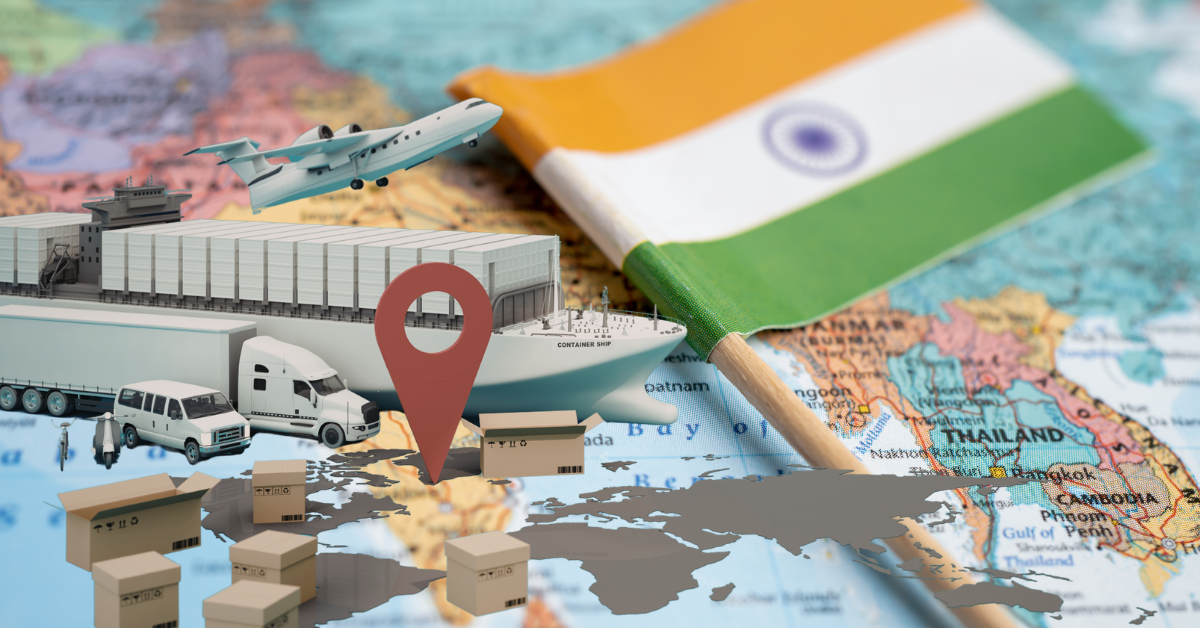

The prolonged West Asia conflict is inflicting mounting damage on India’s export community, with industry estimates suggesting that approximately 70 per cent of outbound shipments have been disrupted to varying degrees as the effective closure of the Strait of Hormuz enters its fourth week with no clear resolution in sight.
The Federation of Freight Forwarders’ Associations in India (FFFAI) has written to the Ministry of Ports, Shipping and Waterways calling for government intervention against arbitrary war-risk surcharges being imposed by container carriers. The industry body noted that carriers have introduced War Risk Surcharges (WRS) ranging from $1,500 per standard container to as much as $4,000 per refrigerated unit — charges that are piling on top of already-elevated base freight rates.
FFFAI further highlighted that several vessels that departed Indian ports have faced mid-voyage rerouting or off-loading due to insurance restrictions and port access issues in the Persian Gulf, triggering additional storage and handling fees at ports including Mundra and Nhava Sheva. Sectors such as pharmaceuticals, perishables, and engineering goods — which depend on both timeliness and cost-predictability — are being hit particularly hard.
Engineering goods exporters have flagged a secondary crisis: LPG shortages driven by the Hormuz closure have forced some industrial furnaces to shut down temporarily, creating a domestic supply disruption that threatens to erode March export volumes compared to the same period last year. Agricultural exporters are facing an equally difficult situation, with over 3,000 rice containers alone reported to be stuck at ports, in transit, or stranded at Gulf destinations as Ramadan demand from Saudi Arabia, UAE, Iraq, and Iran goes unmet.
The government has acknowledged the scale of the problem. Exporters are pushing for a six-month loan moratorium, enhanced working capital access, and more direct intervention with shipping lines on surcharge levels. The inter-ministerial group on the West Asia crisis is understood to be meeting regularly to assess options and coordinate relief across logistics, finance, and trade ministries.
 Join our WhatsApp channel for more updates:
 Subscribe to our YouTube channel for more updates: