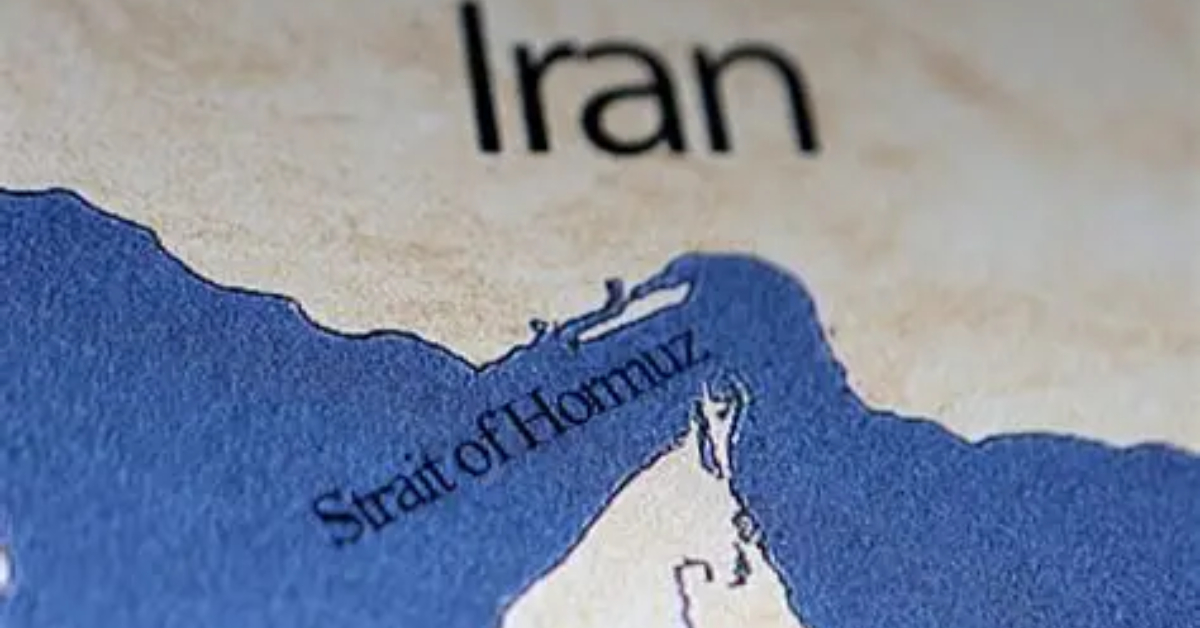

Indian exporters reported on March 11, 2026, that multiple agricultural product consignments bound for West Asia have returned midway to domestic ports due to escalating tensions in the Strait of Hormuz and Persian Gulf.
The returns stem from halted vessel movements and rerouting challenges, affecting key exports like rice, spices, fruits, and dairy—valued at $11.8 billion annually to the region, representing over 20% of India’s agri-exports. Over 3,000 rice containers alone remain stuck at Indian ports, in transit, or at destinations, with basmati shipments hit hardest as Gulf nations like Saudi Arabia, UAE, Iraq, and Iran gear up for Ramadan.
Logistics costs have surged 15-20% for bulk freight and 40% for containers, driven by bunker fuel prices jumping from $520 to $700 per tonne, container shortages, and elevated insurance amid spoofing/jamming risks. Ports like Mundra, JNPT, and Kandla face congestion with 20,000+ stranded containers worth up to $1.5 billion, including ₹345 crore in rice, tea, and pharma for Iran.
Exporters seek government aid like port charge waivers, similar to COVID measures, while an inter-ministerial group monitors impacts on trade flows. This underscores vulnerabilities in India’s agri-logistics chains, prompting calls for diversified routes and alternative markets.
 Join our WhatsApp channel for more updates:
 Subscribe to our YouTube channel for more updates: