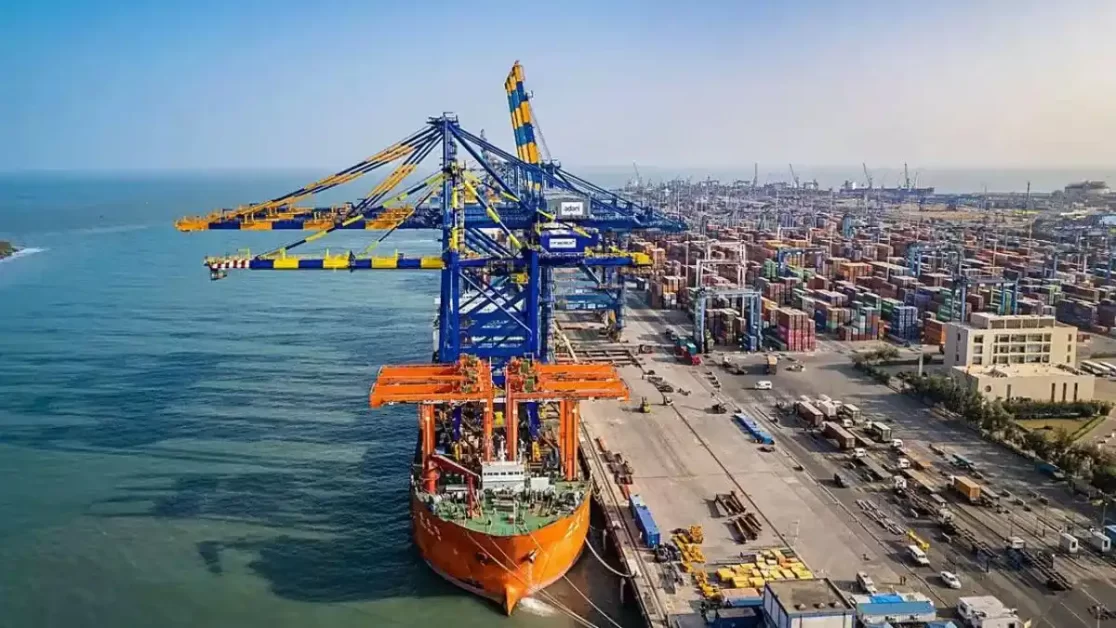

Container congestion is surging at key west coast ports like JNPA and Kandla amid the West Asia conflict, with over 30,000 TEUs stranded across supply chains due to disrupted shipping routes and vessel rerouting. Exporters face mounting delays as shipping lines impose steep surcharges, prompting India’s shipping regulator to intervene.
The crisis stems from heightened security risks in the Persian Gulf and Red Sea, forcing carriers like Maersk and MSC to detour around Africa, adding 10-14 days to voyages and inflating freight rates by 200-300%. At Jawaharlal Nehru Port Authority (JNPA) in Navi Mumbai, around 5,000 containers—mainly pharma, textiles, and perishables bound for the Middle East and Europe—remain immobilized, though recent efforts have trimmed numbers from peaks of 5,000 to 3,200 TEUs.
Kandla (now Deendayal Port) reports a graver backlog of 15,000-20,000 West Asia-destined containers, with export gate-in suspended at terminals like KICTPL. Rice shipments, sulfur, gypsum bulk cargo, and LPG imports are also hit, as sailings for vessels like MV Intersydney are postponed. Ports have designated holding zones and ensured reefer power for 1,000+ temperature-sensitive units to avert spoilage.
India’s Directorate General of Shipping has flagged rising surcharges on traders and directed ports to follow Ministry of Ports SOPs, including waivers on demurrage. JNPA formed a task force with nodal officers for priority handling of perishables and transshipment storage. Kandla authorities cited “maritime security issues” for halting operations.
The buildup threatens India’s $100 billion+ trade with the Gulf, straining inland logistics and yard capacities at these gateways handling 40% of national container traffic. Exporters urge government aid for insurance relief and alternative routes, echoing JNPA’s recent storage waivers for 3,000 export boxes.
As oil tankers resume under India-Iran pacts, container woes persist into March 2026. Ports are pushing rail evacuations and multimodal shifts to decongest, but sustained conflict could shave 1-2% off export growth per industry forecasts. Stakeholders monitor for Gulf terminal reopenings amid US-Iran-Israeli flare-ups.
 Join our WhatsApp channel for more updates:
 Subscribe to our YouTube channel for more updates: