



The following statement has been issued by Vivek R Kele, Director, Teamglobal Logistics Pvt Ltd, concerning the continued suspension of a major container freight station at Nhava Sheva, its far-reaching impact on importers, exporters, shipping lines, freight forwarders and over 800 employees, and the need for a balanced and proportionate resolution that safeguards both regulatory integrity and the interests of legitimate trade.
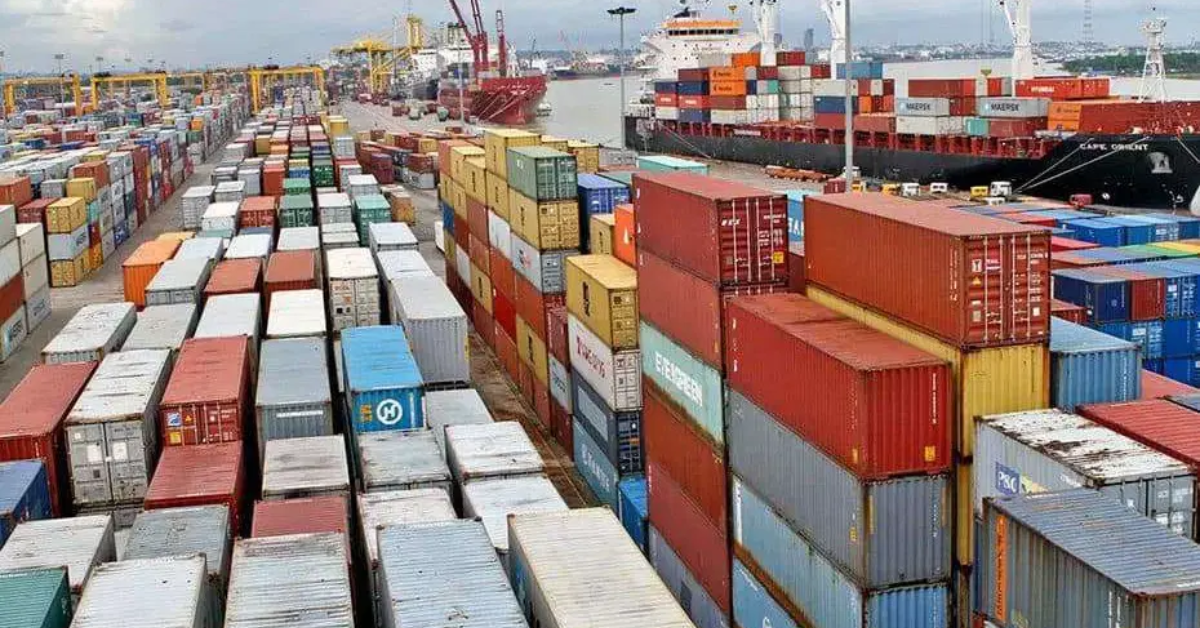
As congestion at Nhava Sheva continues to push up logistics costs and disrupt supply chains, the prolonged closure of one of India’s largest Container Freight Stations (CFSs) has added further pressure on an already strained trade ecosystem.
The situation raises an important question for India’s logistics sector: Should an entire trade ecosystem continue to suffer while legal proceedings continue, even after judicial relief has been granted?
The matter relates to three import containers during late March and early April 2026. In one instance, it was the CFS’s own staff who detected suspicious activity during cargo handling and immediately alerted DRI officials, leading to action against those allegedly involved in the smuggling nexus.
Following multiple hearings, CESTAT passed an order on 8 June 2026 setting aside the continuation of the suspension. Customs subsequently approached the Bombay High Court, which directed that the matter be heard afresh by a newly constituted CESTAT Bench. Until the fresh hearing is concluded, the suspension continues.
The impact, however, extends far beyond a single facility. At a time when Nhava Sheva is already witnessing significant congestion, the closure of a high-capacity CFS capable of handling nearly 15,000 TEUs every month, supported by its own fleet of transport vehicles and cargo-handling equipment, has inevitably placed additional pressure on the logistics chain. Such infrastructure plays an important role in evacuating cargo quickly from the port, reducing dwell time and easing congestion. Its absence has resulted in cargo diversions, higher logistics costs, operational inefficiencies and delays for importers, exporters, shipping lines and freight forwarders.
The human impact is equally significant. More than 800 employees and workers, directly and indirectly associated with the facility, have had their livelihoods disrupted. A large proportion of this workforce comprises local residents whose families depend on the uninterrupted functioning of the CFS. The consequences of a prolonged shutdown therefore extend well beyond commercial operations and have a direct social and economic impact on the surrounding community.
The facility is also recognised as India’s first Green Container Freight Station, developed as a benchmark for sustainable and efficient logistics infrastructure. At a time when India is encouraging investment in world-class logistics assets and improving Ease of Doing Business, the prolonged closure of such a facility sends a message that deserves thoughtful reflection across the industry.
Suspension is an important regulatory tool intended to safeguard investigations and protect the integrity of the customs process. However, it is generally regarded as a preventive measure rather than a punitive one. When such a suspension continues for an extended period, particularly after judicial relief has been granted at one stage and the matter remains under adjudication, it inevitably raises broader questions about proportionality and balance. The resulting consequences are borne not only by the operator but also by employees, customers, transporters, shipping lines and the wider EXIM community.
This case, therefore, is no longer merely about one CFS. It raises larger questions about the balance between effective enforcement, judicial certainty, trade facilitation and employment. As India strives to become a global logistics hub, reduce logistics costs and strengthen supply chain resilience, ensuring that regulatory action remains fair, proportionate and mindful of its wider economic impact is equally important.
The logistics industry will now look forward to an early resolution of the matter one that upholds the rule of law while also safeguarding the interests of legitimate trade, thousands of stakeholders and the uninterrupted functioning of critical logistics infrastructure.
 Join our WhatsApp channel for more updates:
 Subscribe to our YouTube channel for more updates: