





Summary
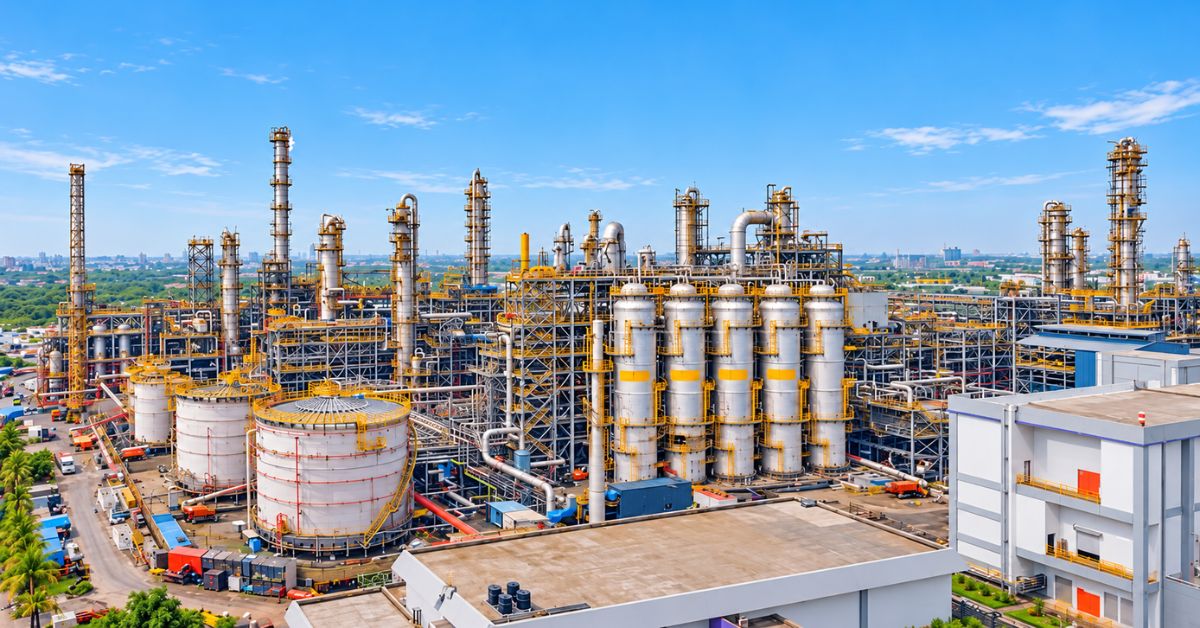
Haldia Petrochemicals’ subsidiary Adperma has inaugurated a ₹6,000 crore integrated phenol and acetone plant at Haldia, West Bengal, with annual capacity of 3.45 lakh tonnes of phenol and 2.15 lakh tonnes of acetone. Described as India’s largest such plant and the first phenol facility on the east coast, it aims to cut import dependence and support downstream chemicals manufacturing.
Article
Kolkata: A ₹6,000 crore integrated phenol and acetone plant was inaugurated at Haldia, West Bengal, on October 14, 2026, adding significant domestic capacity for two industrial chemicals India has historically imported in large volumes.
What is the Haldia phenol plant?
The facility was developed by Adperma Private Limited, a wholly owned subsidiary of Haldia Petrochemicals Limited (HPL). It has an annual production capacity of 3.45 lakh tonnes of phenol and 2.15 lakh tonnes of acetone.
The company describes it as India’s largest integrated plant of its kind and the first phenol manufacturing facility on the country’s eastern coast.
The plant is integrated with HPL’s existing petrochemical complex, converting upstream feedstocks propylene and benzene into phenol and acetone. It uses process technology licensed from Lummus Technology, a TCG Group company.
Why does it matter for Indian industry?
The plant is expected to improve the availability of phenol and acetone for Indian manufacturers, reducing their dependence on imports and exposure to international price swings.
Phenol is a key raw material for bisphenol-A, polycarbonates and phenolic resins used in laminates, plywood, adhesives and other industrial products. Acetone is widely used in paints and coatings, pharmaceuticals, agrochemicals, personal care products and industrial solvents.
The new capacity is also expected to provide a base for downstream specialty chemicals, potentially helping Haldia develop into a more diversified chemicals hub.
What did leaders say?
Inaugurating the plant, West Bengal Chief Minister Suvendu Adhikari said, “It’s a historic day for us.” He also announced that the state government would unveil a new industrial policy before Diwali, following recommendations from a ministerial group.
Purnendu Chatterjee, Chairman of The Chatterjee Group, said the project reflected confidence in West Bengal’s industrial potential and would form a strong foundation for the next stage of growth in chemicals.
HPL Managing Director and CEO Navanit Narayan said the plant would improve domestic availability of chemical intermediates and allow the company to progressively move into higher-value products.
What does it mean for ports and logistics?
Haldia is home to the Haldia Dock Complex of Syama Prasad Mookerjee Port, Kolkata, which serves as the main maritime gateway for the region’s petrochemical industry. Domestic production of phenol and acetone could reduce the volume of these chemicals imported into India over time, while creating new flows of finished and downstream products to consumers across eastern and northern India.
A larger chemical manufacturing base at Haldia could also raise demand for liquid bulk handling, tank storage and multimodal connectivity in the port’s hinterland, as downstream units cluster around the integrated complex.
FAQs
What is the capacity of the Haldia phenol plant?
The plant can produce 3.45 lakh tonnes of phenol and 2.15 lakh tonnes of acetone a year.
Who developed the plant?
Adperma Private Limited, a wholly owned subsidiary of Haldia Petrochemicals Limited.
How much did the plant cost?
The project involved an investment of ₹6,000 crore.
Why is the plant significant?
It is described as India’s largest integrated phenol and acetone plant and the first phenol facility on the east coast, reducing reliance on imports.
Which industries use phenol and acetone?
Phenol feeds bisphenol-A, polycarbonates and phenolic resins, while acetone is used in paints, pharmaceuticals, agrochemicals, personal care and solvents.
 Join our WhatsApp channel for more updates:
 Subscribe to our YouTube channel for more updates:



