



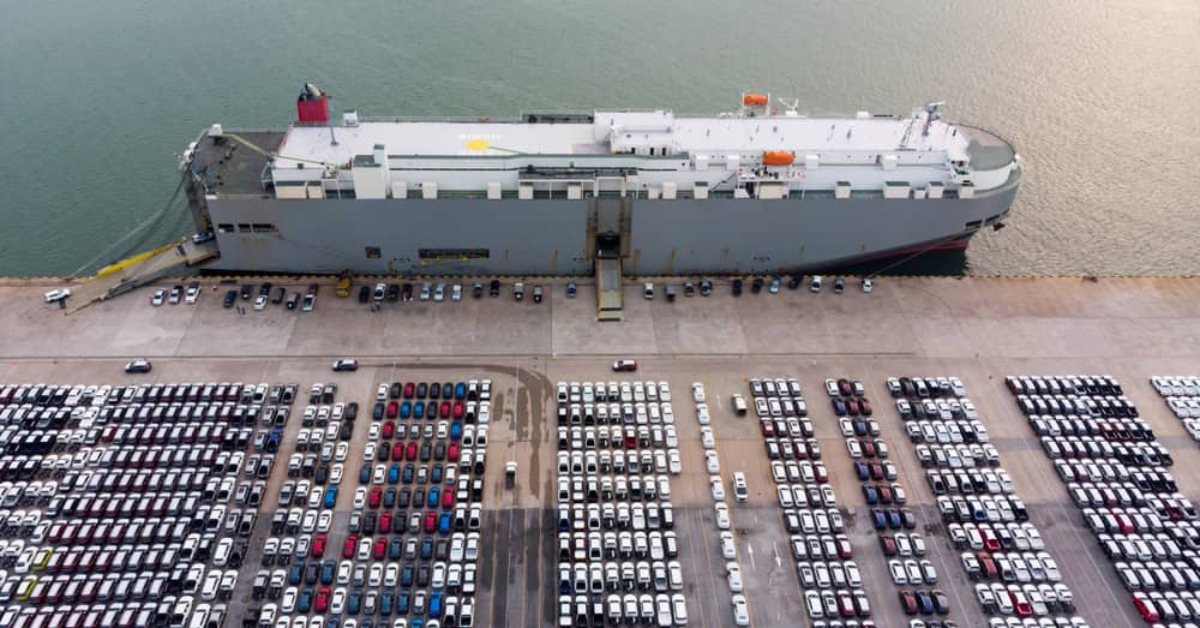

Around 2,000 Hyundai cars exported from India to the Gulf region are poised for an unexpected return trip after the consignee port refused delivery due to unresolved documentation issues.
The vehicles, shipped from Hyundai’s Sriperumbudur plant near Chennai via a major container vessel, reached the destination port last week. However, customs authorities there halted unloading, citing discrepancies in import paperwork and compliance with local regulations. Sources in the maritime logistics chain indicate the snag involves mismatched bill of lading details and pending certification for Gulf Cooperation Council (GCC) standards.
Hyundai Motor India, which ramped up exports from its Tamil Nadu facility to capitalize on growing Middle East demand, now scrambles to resolve the impasse. “We are coordinating with shipping lines and agents to rectify the papers swiftly and minimize delays,” a company spokesperson told reporters. The cars, primarily mid-range sedans and SUVs destined for dealerships in the UAE and Saudi Arabia, represent a significant cargo value exceeding ₹1,200 crore.
Logistics experts highlight this as a cautionary tale for exporters navigating stringent Gulf import protocols. “Delays like this underscore the need for airtight documentation in container shipping routes to high-regulation markets,” said Capt. Rajesh Sharma, a veteran in India-Gulf trade lanes. The vessel, operated by a leading liner, may soon reverse course or transship the containers back to an Indian port like Chennai or Mundra for re-export after corrections.
Industry watchers anticipate minimal long-term disruption to Hyundai’s export momentum, which hit record highs last fiscal year. As of Tuesday, negotiations continue, with the cars remaining stranded on the ship amid rising demurrage costs.
 Join our WhatsApp channel for more updates:
 Subscribe to our YouTube channel for more updates: