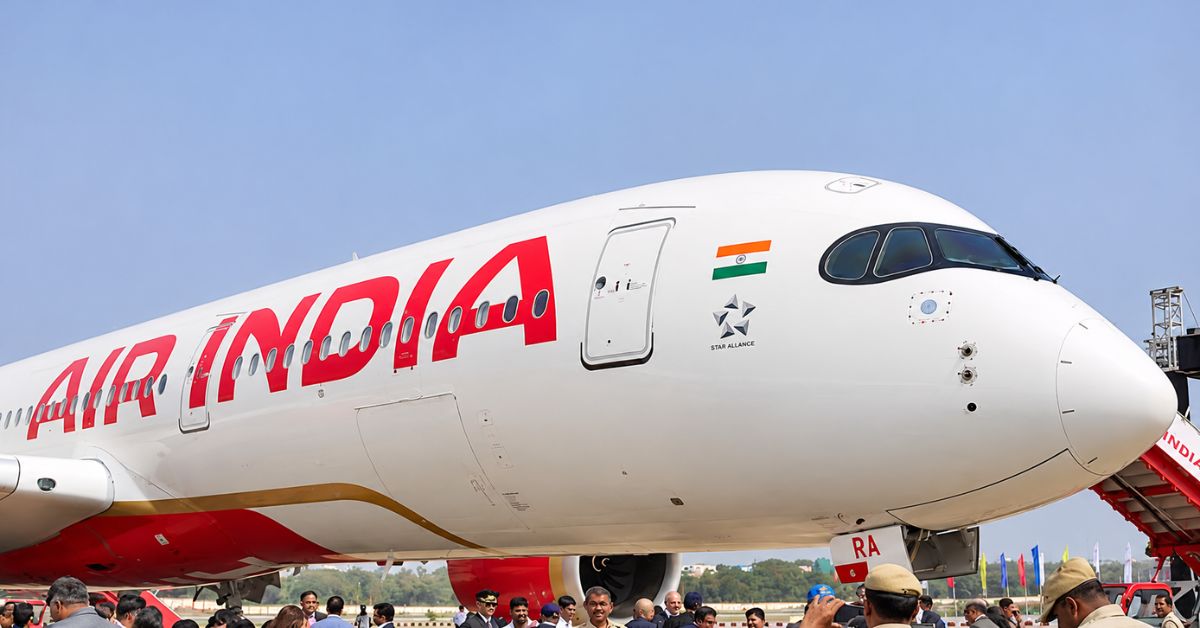

Air India is exploring the conversion of passenger aircraft into dedicated freighters to capture more of India’s growing air cargo market. Singapore Airlines Chief Executive Goh Choon Phong outlined the proposal at a post-results briefing on 12 November 2026, identifying freight as a source of additional revenue under Air India Chief Executive Tewolde Gebremariam. Singapore Airlines holds a 25.1% stake in the Tata Group-owned carrier.
What dedicated freighters would add to Air India’s cargo network
Air India currently carries freight in the holds of its scheduled passenger aircraft. It says it handles more than 400,000 tonnes of cargo annually across its network, including perishables, express shipments and temperature-sensitive goods such as vaccines and medical supplies. The proposed conversions would give the airline dedicated cargo capacity that it could schedule around freight demand. Aircraft types, fleet size, routes and an entry-into-service date are yet to be disclosed.
The proposal comes as air freight volumes rise across India. Indian airports handled 1.86 million tonnes of air cargo from April to August 2026, up 12% from the same period a year earlier, according to the Ministry of Statistics and Programme Implementation. Delhi handled about 530,000 tonnes, the largest volume of any Indian airport over the period.
Delhi transshipment pilot cuts cargo connection times
Air India has already been working to move freight more quickly through its passenger network. In June 2026, it began testing India’s revised cargo transshipment procedures on the Chennai–Delhi–Frankfurt corridor. Eligible shipments remained securely packed while transferring between flights at Delhi, removing the need to rescreen individual packages in transit.
Air India said average cargo connection times at Delhi fell from 36–48 hours to 5–8 hours during the pilot, while average daily volumes on the corridor rose from 2.2 tonnes to 4.5 tonnes. The government subsequently approved an expansion covering eligible shipments from Ahmedabad, Bengaluru, Chennai, Hyderabad and Mumbai via Delhi to Copenhagen, Frankfurt and London Heathrow.
Cargo expansion forms part of Air India’s turnaround plan
Gebremariam’s wider plan includes growing overseas ticket sales, shifting some westbound international services from Delhi to Mumbai and reducing duplicated work across Air India and Air India Express. Singapore Airlines said Mumbai departures to some western destinations require shorter detours around Pakistani airspace, helping to limit additional fuel burn. The proposed freighter conversions are the cargo component of that broader effort to increase revenue and improve how the airline uses its network.
Singapore Airlines reported that its share of Air India’s losses fell to S$361.7 million in the six months to September 2026 from S$429.5 million a year earlier. Goh attributed most of the decline to the reversal of earlier provisions, making the reported figure a limited measure of the airline’s operating progress.
FAQs
Does Air India currently operate dedicated freighters?
Air India says its cargo business currently uses the holds of passenger aircraft. It is exploring conversions that would allow it to operate dedicated cargo flights.
How many aircraft will Air India convert into freighters?
The number and types of aircraft, the routes they would serve and the timetable for conversion have yet to be disclosed.
 Join our WhatsApp channel for more updates:
 Subscribe to our YouTube channel for more updates: