




ArcelorMittal is preparing a new investment cycle of more than R$10 billion in Brazil, supported by a decline in Chinese steel imports following trade defence measures introduced by the Brazilian government.
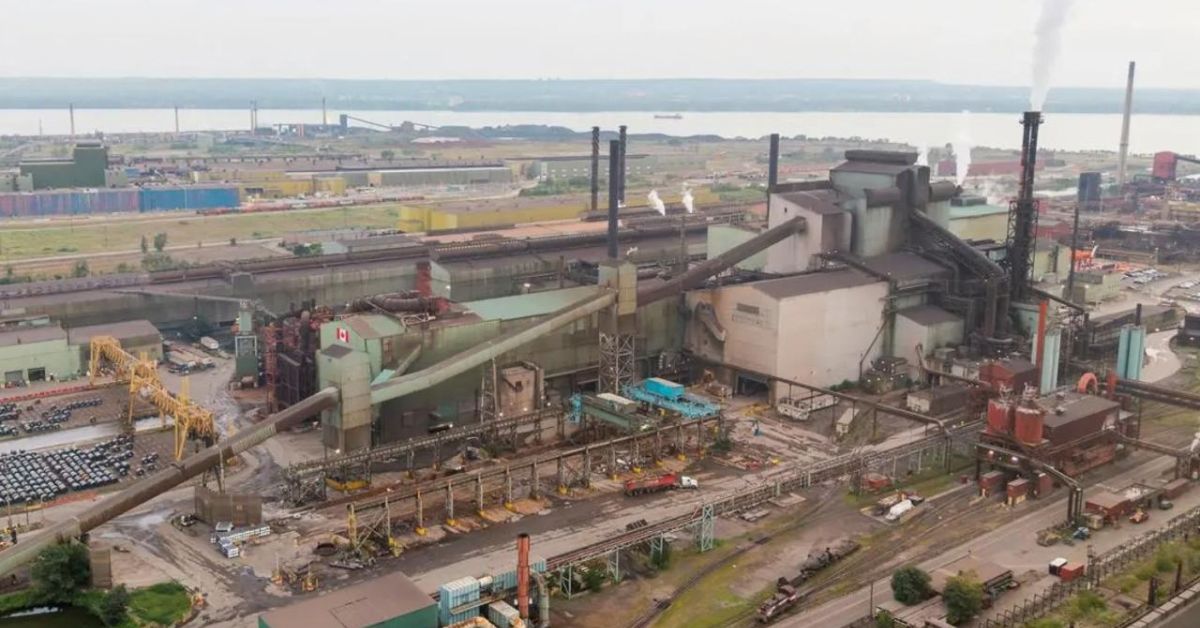
The planned investments include projects at the company’s Tubarão unit in Espírito Santo and its Pecém plant in Ceará, according to reports by Folha de S.Paulo, Brasil 247 and Bloomberg.
Tubarão investment to focus on higher-value steel
ArcelorMittal has confirmed an investment of between R$4 billion and R$5 billion at its Tubarão facility in Serra, Espírito Santo.
The project includes a cold strip mill and a continuous coating line aimed at increasing production of higher-value steel products for the automotive, construction and home appliance sectors.
Pecém expansion under consideration
The company is also considering an investment of around R$5 billion to expand its Pecém plant in Ceará with a new hot-rolled coil production line.
Bloomberg reported that ArcelorMittal expects to make a final investment decision on the project by the end of 2026.
Lower steel imports improve market conditions
According to Folha de S.Paulo, the share of imported steel in Brazil’s domestic market has declined from around 25% to 16%.
Brazil has introduced a series of anti-dumping measures covering specific Chinese steel products, along with similar measures targeting certain coated flat steel products.
ArcelorMittal Brazil President Jorge Oliveira said the company considers an import share closer to 10% to be more appropriate.
ArcelorMittal said Brazil imported 5.7 million tonnes of rolled steel in 2025, an increase of 20.5% from the previous year. Imported products accounted for 21% of the domestic market during the year.
Brazil is ArcelorMittal’s second-largest market, with the company reporting revenue of about $3.15 billion in the second quarter of 2026.
Energy costs remain a competitiveness challenge
Despite improved market conditions, ArcelorMittal continues to identify high energy and natural gas costs as challenges to the competitiveness of its Brazilian operations.
The company has also cited the broader “Cost of Brazil” as a factor affecting its competitive position.
 Join our WhatsApp channel for more updates:
 Subscribe to our YouTube channel for more updates: