


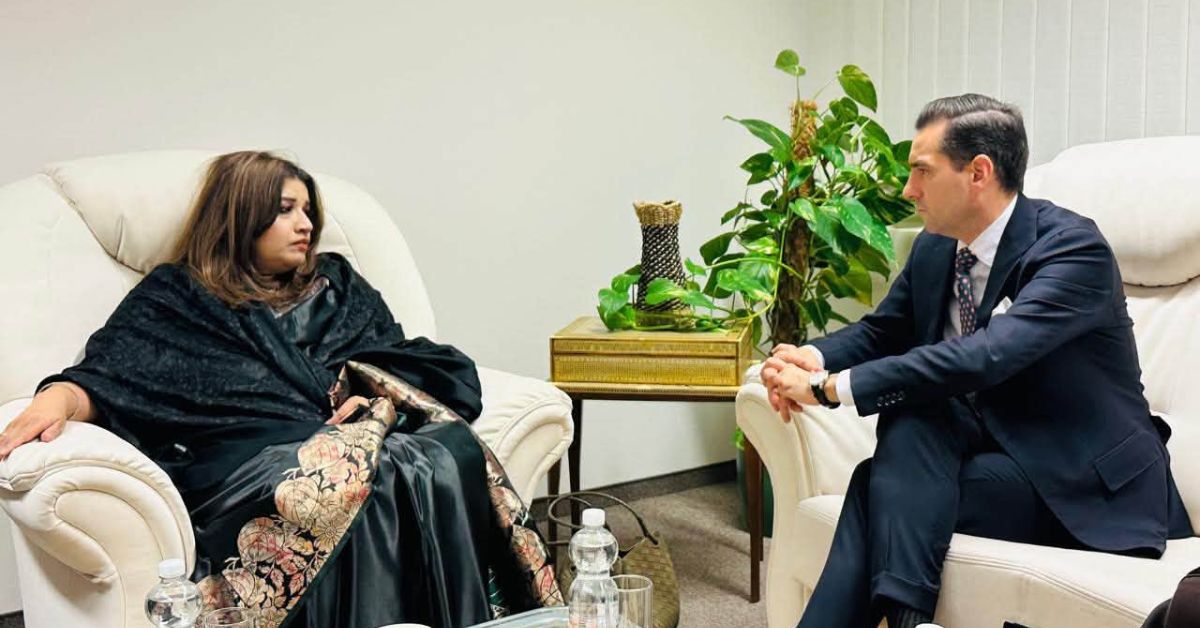

Bangladesh and Germany discussed ways to diversify exports, expand investment and increase contact between businesses during talks in Berlin on 26 November 2026. Bangladesh’s State Minister for Foreign Affairs, Shama Obaed Islam, met Nicholas Zippelius, a member of the German Bundestag’s Development Committee. They identified closer links between chambers of commerce, more frequent business exchanges and simpler visa procedures as ways to support commercial ties.
What areas of economic cooperation did the Berlin talks cover?
The two sides discussed energy security, renewable energy, skilled worker migration, vocational training, healthcare and technology, including artificial intelligence. Islam also highlighted scope for cooperation among small and medium-sized enterprises and in the creative economy. The ministry’s account outlined areas for further engagement and gave no details of investment commitments or changes to visa rules.
The talks build on existing German development cooperation in climate and energy, vocational training and sustainable supply chains. Germany’s Federal Foreign Office identifies working conditions and environmental standards in Bangladesh’s textile industry as a particular focus. That makes training and supply chain standards relevant both to new areas of cooperation and to an industry that already serves German buyers.
How important is Germany to Bangladesh’s export trade?
Germany’s Federal Foreign Office put bilateral trade at approximately €9.1 billion in 2025, slightly above the previous year. German imports from Bangladesh increased, while German exports to Bangladesh declined. The office identifies Germany as Bangladesh’s second-largest national export market.
Across the European Union (EU), goods trade with Bangladesh reached €23.3 billion in 2025. Textiles accounted for almost 94 per cent of EU goods imports from Bangladesh, while machinery, appliances and chemical products were among the bloc’s principal exports to the country. The figures show the importance of established textile supply chains and provide context for Dhaka’s push to broaden its export base.
What follow-up did the two sides discuss?
Islam and Zippelius discussed forming parliamentary friendship groups, and Islam invited German legislators to visit Bangladesh. Zippelius expressed interest in travelling with a delegation in 2027. Islam also sought Germany’s support for the repatriation of Rohingya refugees to Myanmar.
FAQs
How much trade did Bangladesh and Germany record in 2025?
Bilateral trade reached approximately €9.1 billion, according to Germany’s Federal Foreign Office.
Did the Berlin meeting produce a new trade or investment agreement?
The public readout focused on export diversification, business exchanges, visa procedures and sectoral cooperation. It announced no new trade agreement or investment deal.
 Join our WhatsApp channel for more updates:
 Subscribe to our YouTube channel for more updates: