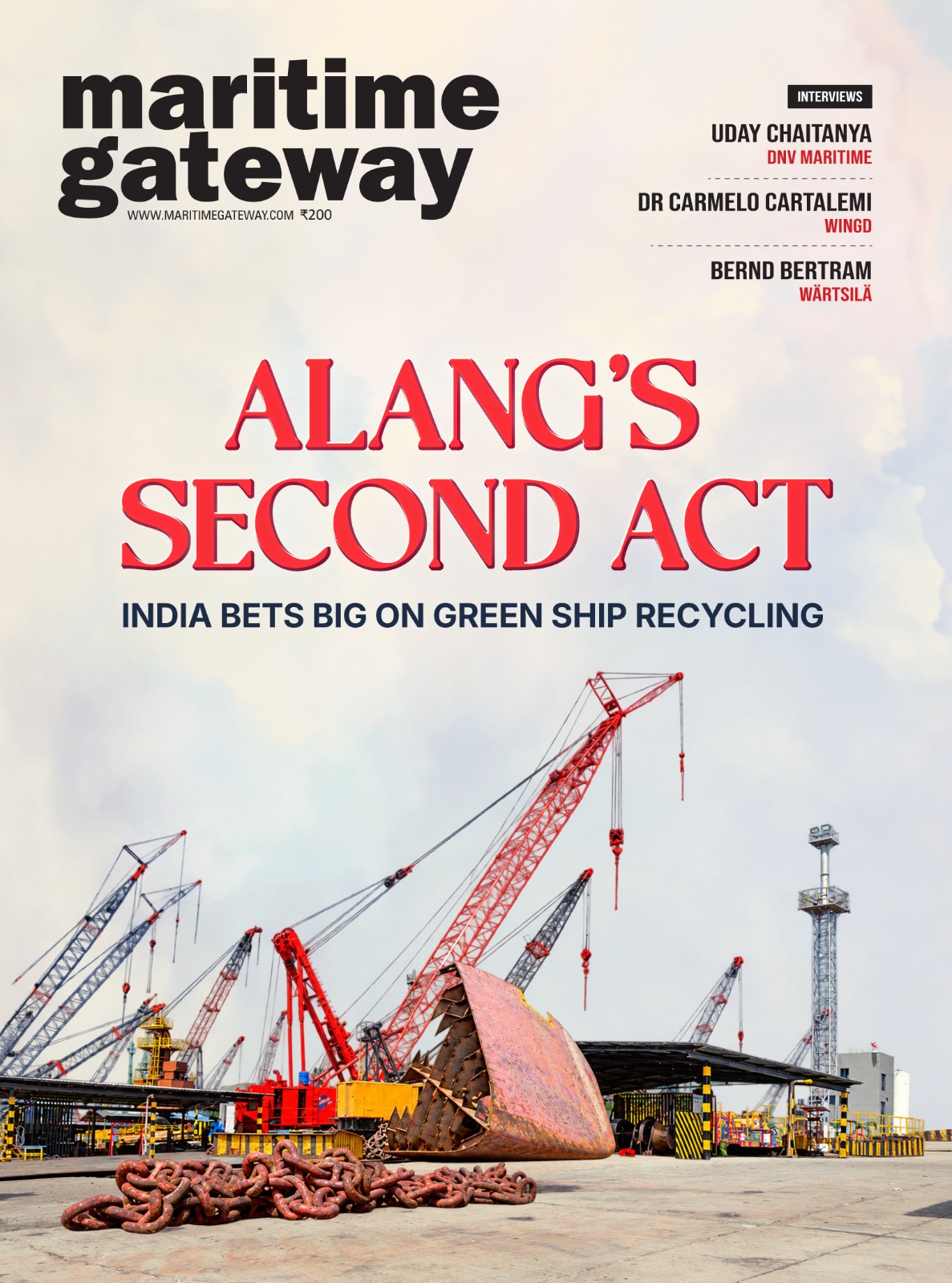

Bangladesh’s ship recycling industry is facing increasing pressure on profit margins as vessel acquisition costs remain high despite declining domestic steel prices. The combination of weaker local currency, falling scrap values and cautious steel demand is making it increasingly difficult for recyclers to maintain returns, according to global ship recycling specialist Wirana Shipping.
During the reporting week, domestic steel plate prices in Bangladesh fell by USD 6 per tonne, while scrap prices declined by USD 8 per tonne. However, offers for vessels destined for recycling remained firm, with a limited number of dry-sector ships sold for recycling in Chattogram.
The gap between vessel acquisition prices and domestic steel values has widened since late June 2026, with the trend becoming more pronounced over the past three weeks. Wirana Shipping estimates that recyclers are currently offering prices that exceed the levels justified by local steel market conditions by the widest margin in at least three years.
The depreciation of the Bangladeshi taka has added to the pressure, making vessels priced in US dollars more expensive for domestic buyers. Although mills and steel traders are showing renewed interest in the local market, purchasing activity remains cautious.
Weak Construction Demand Weighs on Steel Market
The slowdown in public construction activity has reduced demand for steel, affecting an important source of consumption in Bangladesh. According to Sumon Chowdhury, secretary general of the Bangladesh Steel Manufacturers Association, the government’s share of steel consumption has declined from approximately 60% to 20%.
Expectations that infrastructure projects could resume in the coming months have raised hopes of a recovery in steel demand, including demand for steel recovered through ship recycling.
However, constraints on government funding continue to affect the outlook. Bangladesh imports approximately 95% of its petroleum requirements, according to the country’s 2026–27 national budget. Wirana Shipping said higher oil and liquefied natural gas (LNG) import costs are putting additional pressure on government finances and contributing to delays in infrastructure projects.
At the same time, inflation outpacing wage growth has weakened consumer spending, further limiting the recovery in domestic steel demand.
Recyclers Take on Greater Buying Risks
Rakesh Khetan, CEO of Wirana Shipping, said some recyclers are continuing to purchase vessels at prices that may not generate immediate returns in order to maintain yard operations.

“Some recyclers are prepared to buy a ship without expecting to make money on that purchase because they want to keep their yards working. They are looking across the full year and expecting the costs to average out. That leaves them relying on better returns from other purchases, and not every buyer is willing to take that risk. The shortage of ships is supporting offers, but the steel market is not giving buyers the same confidence. We doubt prices can remain this firm for much longer unless demand improves.
“Infrastructure spending could help, and an easing of the Middle East conflict would relieve some pressure on Bangladesh’s economy. But recyclers have to make buying decisions on the conditions they face now, while any recovery in demand is likely to be gradual.”
The outlook for Bangladesh’s ship recycling sector will therefore depend on whether domestic steel demand improves sufficiently to support current vessel acquisition prices. A revival in infrastructure spending and easing pressure on energy imports could provide some relief, but recyclers may continue to face tight margins if vessel prices remain firm while recovered steel values decline.
FAQs
Why are Bangladesh’s ship recyclers facing higher costs?
The depreciation of the Bangladeshi taka has increased the local currency cost of purchasing vessels priced in US dollars, while vessel offers have remained firm despite declining domestic steel prices.
How much have steel and scrap prices declined in Bangladesh?
During the reporting week, steel plate prices declined by USD 6 per tonne and scrap prices fell by USD 8 per tonne.
What is affecting steel demand in Bangladesh?
The slowdown in public construction has reduced steel consumption. The government’s share of steel consumption has fallen from approximately 60% to 20%, according to the Bangladesh Steel Manufacturers Association.
What could improve the outlook for Bangladesh’s ship recycling industry?
The resumption of infrastructure projects, stronger domestic steel demand and reduced pressure from energy import costs could support market recovery. However, any improvement is expected to be gradual.
 Join our WhatsApp channel for more updates:
 Subscribe to our YouTube channel for more updates: