




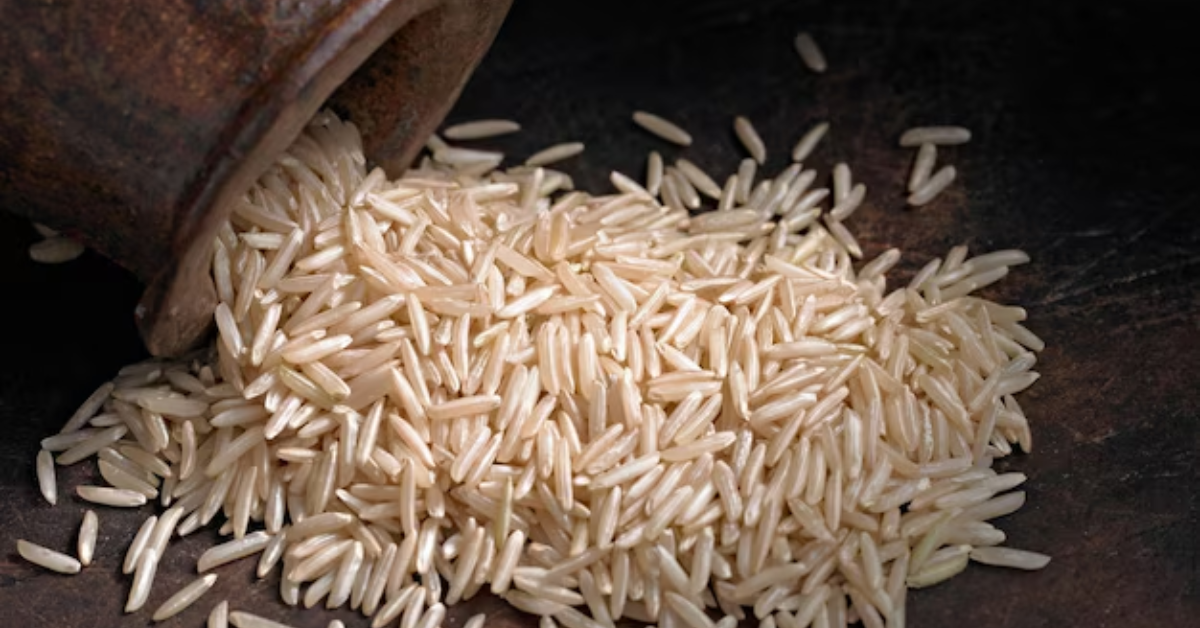

The Basmati Rice Farmers and Exporters Development Forum has issued an urgent appeal to the government to intervene against what it has called arbitrary, opaque, and extortionist shipping charges that are rendering India’s basmati rice exports to Gulf markets commercially unviable. BRFEDF Chairperson Priyanka Mittal told media that war-risk surcharges have surged to between USD 800 and USD 6,000 per container, often imposed without prior notice and, in some cases, revised upward even after cargo has already been shipped and sealed. Cumulative logistics costs across all components — base freight, Emergency Conflict Surcharge, War Risk Premium, bunker adjustment, and storage charges — have now risen to 60-70 per cent of cargo value for Gulf-destined basmati consignments.
At 70 per cent of cargo value, logistics costs consume the entire commercial margin of a rice export transaction — and then some. Basmati rice, even at premium international prices, does not generate margins that can absorb freight and insurance costs of this magnitude. The result is a commercial freeze: exporters cannot profitably ship at current logistics costs, but they also cannot walk away from contracts without triggering penalty clauses, losing long-standing buyer relationships, or forfeiting letters of credit. The BRFEDF is demanding that the government compel shipping lines to freeze surcharge escalation, extend the force majeure protections they are invoking to avoid delivery obligations also to exporters for their financial obligations, and establish a dispute resolution mechanism for cargo stranded mid-voyage.
The ‘Hypocritical’ Force Majeure Asymmetry
The forum has also sharply criticised what it describes as an asymmetrical and hypocritical application of force majeure by global shipping lines. Carriers are invoking force majeure due to the war conditions at Hormuz to deny delivery obligations — refusing to complete voyages to Gulf destinations, rerouting cargo without consent, and abandoning cargo at transhipment hubs including Jebel Ali and Colombo. However, the same carriers are not extending equivalent force majeure relief to exporters: they continue to levy detention, demurrage, and surcharge bills as if the exporter bears sole financial responsibility for disruptions entirely outside their control.
The asymmetry has created a situation where shipping lines are effectively using the war as a shield against their obligations while simultaneously using it as a sword to maximise surcharge revenue from captive exporters with no alternative service providers. India’s fertiliser subsidy bill is simultaneously expected to rise by approximately 20 per cent due to the West Asia crisis driving up gas, ammonia, and urea import costs — a figure that quantifies how the logistics cost crisis is radiating from the export sector into the domestic agricultural production cost structure, creating compounded pressure on India’s rural economy from both the exporter and farmer sides simultaneously.
 Join our WhatsApp channel for more updates:
 Subscribe to our YouTube channel for more updates: