




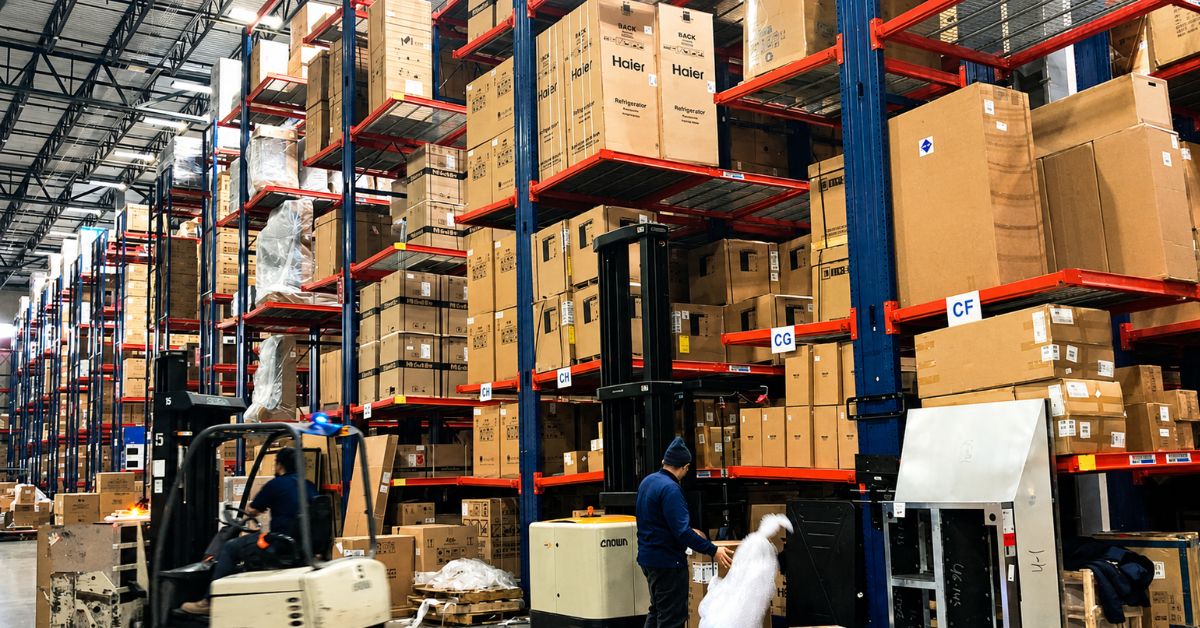

Bengaluru recorded the fastest warehouse leasing growth among India’s top eight logistics markets in H1 2026, with leasing surging 78 percent year-on-year to 3.1 million square feet, according to Cushman & Wakefield’s H1 2026 Logistics & Industrial MarketBeat report.
How did Bengaluru’s overall logistics and industrial market perform?
The city’s overall logistics and industrial market maintained strong momentum, with gross leasing reaching 4.4 million square feet during the first half of the year, a 63 percent increase over H2 2025. The strong demand came despite the addition of nearly 2 million square feet of new Grade A warehouse supply during the period, with vacancy levels declining to 11 percent from 13 percent, indicating that occupier demand continued to absorb new capacity.
Which submarkets drove Bengaluru’s warehousing growth?
Bengaluru’s western corridor remained the dominant warehousing destination, accounting for 52 percent of total warehouse leasing during H1 2026, led by activity in Nelamangala and Dabaspete. The eastern submarket contributed another 46 percent, driven largely by demand in Hoskote, while the northern and southern submarkets accounted for the remaining share.
Which sectors are leading warehouse demand in Bengaluru?
Third-party logistics companies emerged as the largest occupier segment, accounting for 58 percent of warehouse leasing. Manufacturing firms contributed 16 percent, followed by e-commerce at 15 percent and FMCG companies at 8 percent, reflecting broad-based demand across sectors.
How is the industrial segment performing alongside warehousing?
The industrial segment also remained resilient, recording nearly 1.4 million square feet of leasing during H1 2026. North Bengaluru accounted for 35 percent of industrial demand, led by Doddaballapur and the KIADB Hardware Park at Devanahalli, while the western submarket contributed 28 percent. Headline industrial rentals rose 3-4 percent annually during the period, pointing to sustained pricing momentum alongside strong demand.
What is driving rental and land price trends in the city?
Warehouse rentals rose 4-5 percent annually in H1 2026, while land prices increased 9-10 percent over the same period, reflecting tightening supply and sustained occupier appetite for space in key logistics corridors.
What does this mean for Bengaluru’s logistics sector outlook?
Cushman & Wakefield said Bengaluru is expected to remain a key logistics and warehousing hub as strong occupier demand continues to support leasing activity, positioning the city as a leading destination for organised warehousing and industrial investment in South India.
 Join our WhatsApp channel for more updates:
 Subscribe to our YouTube channel for more updates: