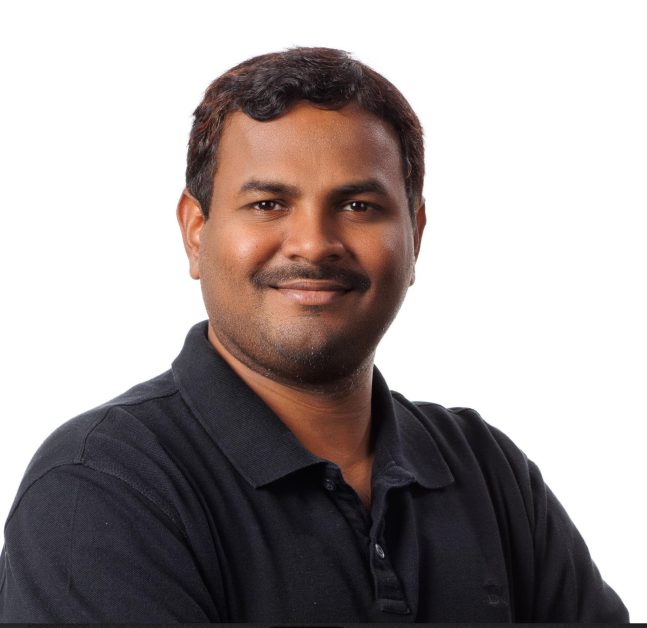

As India scales up its shipbuilding ambitions and shipowners face a fast-shifting regulatory and fuel landscape, DNV is working with Indian yards and operators earlier in the development cycle, from Cochin Shipyard and GRSE to Great Eastern Shipping and Kandla Port. In this interview with Maritime Gateway, Uday Chaitanya Ganivada, Country Manager -India, Sri Lanka & Bangladesh discusses export readiness, compliance with IMO, EU ETS and FuelEU Maritime rules, skilling gaps, and why he would not bet on a single fuel winning the race to 2035.
DNV has worked with Cochin Shipyard for almost twenty years, and CSL’s chairman has credited DNV-assured technology with giving the yard export credibility. As India’s shipbuilding ambitions scale up, how is that partnership model evolving — and which other Indian yards are you replicating it with?
Our relationship with Cochin Shipyard has gone well beyond classification. Over the years, we have worked closely with the yard as it has taken on more complex vessels and technologies, providing technical assurance and supporting its development of new capabilities.
As India’s shipbuilding ambitions grow, we are seeing this model develop further. With GRSE, for example, our recent MoU covers advanced shipbuilding, digitalization, green technologies and competence development, including AI-enabled ship design, digital twins, cybersecurity and alternative fuels.
We have also signed an MoU with Swan Defence and Heavy Industries covering classification and statutory certification, technical and regulatory guidance, training, AI and digitalization, as well as a proposed Centre of Excellence. The collaboration also looks at vessel electrification, hydrogen and ammonia, autonomous vessels and polar vessel development.
So we are increasingly working with Indian yards not just when a vessel is ready for classification, but earlier in the development process, helping them navigate new technologies, regulatory requirements and the competencies needed to build more advanced vessels.
India’s shipbuilding sector is gaining momentum. How well positioned are local yards to capture new opportunities at home and abroad?
We are seeing a lot more interest in India as a shipbuilding market, and the conversations we have with yards are becoming more ambitious. It is not just about building greater capacity; there is a clear push towards more advanced vessels and technologies.
That means the requirements placed on yards are changing as well. Digital technologies, alternative fuels, electrification and autonomous systems are all becoming part of the shipbuilding conversation, and that requires new technical expertise and ways of working.
For yards looking to compete for international orders, understanding and meeting global regulatory and technical requirements will also be important. This is an area where DNV can support the industry, whether through classification, technical advice or helping to build the knowledge needed for new technologies.
There is certainly an opportunity for India to play a larger role in global shipbuilding. How far that goes will depend on how the industry continues to develop its capabilities as the technology and regulatory landscape changes.
What skilling gaps is DNV encountering on the ground — in digitalization, alternative fuels, or classification-related engineering — and how is DNV addressing them locally?
One of the gaps we are seeing is the need to combine traditional maritime and engineering expertise with newer technologies. For example, naval architects, marine engineers and surveyors increasingly need to understand digitalization, AI and the practical implications of alternative fuels, including the related safety and regulatory requirements.
Our DNV whitepaper on ‘The Future of Seafarers: A Study into the Challenges and Opportunities’ also highlighted how digitalization and automation are changing the skills profile of seafarers. They will need to work more closely with digital systems while retaining the maritime knowledge needed to make sound operational decisions.
In India, we are addressing this through training and competence development, alongside technical and regulatory guidance. The focus is on helping maritime professionals understand how these technologies translate into vessel design, operations and safety.
As the technology and regulatory landscape continues to evolve, keeping those skills current will be just as important as developing them in the first place.
Your remit spans India, Sri Lanka, and Bangladesh — three markets at very different points in their maritime development.. How do you manage a coherent regional strategy across three such different neighbours?
The starting point is understanding what each market is trying to achieve and where the opportunities and challenges are. Having experienced teams on the ground is important here. Their knowledge of the local maritime industry, customers and regulatory environment helps inform how we shape our priorities across the region.
There are also common issues across these markets, such as safety, decarbonization, technology, regulation and the need for new skills. We can draw on DNV’s global expertise in these areas, while allowing enough flexibility to respond to the realities of each market. For me, it is about having a common direction across the region without trying to make every market follow exactly the same approach.
What does DNV’s latest Maritime Forecast to 2050 report tell us about the challenges and opportunities facing Indian shipowners over the next decade?
I think the biggest takeaway from DNV’s latest Maritime Forecast report is the level of uncertainty shipowners are dealing with. There are several possible paths for the industry, depending on how regulation, fuel availability and technology develop, and that makes long-term investment decisions more challenging.
For Indian shipowners, that means it is difficult to make long-term decisions based on a single view of how the transition will play out. What is more practical is to look at measures that can improve efficiency today while keeping flexibility for different fuel and regulatory scenarios.
We are already seeing this shift in the global fleet. Alternative-fuel-capable tonnage in the order book has grown from 0.4% in 2020 to 5.2% in 2026, although uptake varies significantly by vessel type and trading pattern. At the same time, fuel availability and infrastructure remain important constraints.
The opportunity for shipowners is not simply about choosing a fuel. It is about making investment decisions that remain viable as regulation, fuel availability and technology continue to evolve.
The report tracks the industry’s uncertainty over which alternative fuel ultimately wins out. If you had to bet on the direction the global fleet tips toward by 2035, what would it be, and what’s the one signal you’re watching most closely to confirm or upend that bet?
I would be cautious about betting on a single fuel. One of the key messages from this year’s Maritime Forecast to 2050 report is that the transition is unlikely to follow a straight line, and there are still several possible pathways for the industry.
If there is one signal I would watch most closely, it is whether the fuel supply chain starts developing with enough confidence on both sides, whether suppliers have confidence that demand will emerge, and whether shipowners can have confidence that the fuels will be available when they need them. That will be critical to moving alternative fuels from capability on board vessels to wider adoption.
In the meantime, energy efficiency is one area where the industry can make progress regardless of how the fuel mix develops. For shipowners, that means making investments that deliver value today while keeping enough flexibility to adapt as the regulatory, fuel and technology landscape evolves.
 Join our WhatsApp channel for more updates:
 Subscribe to our YouTube channel for more updates: