



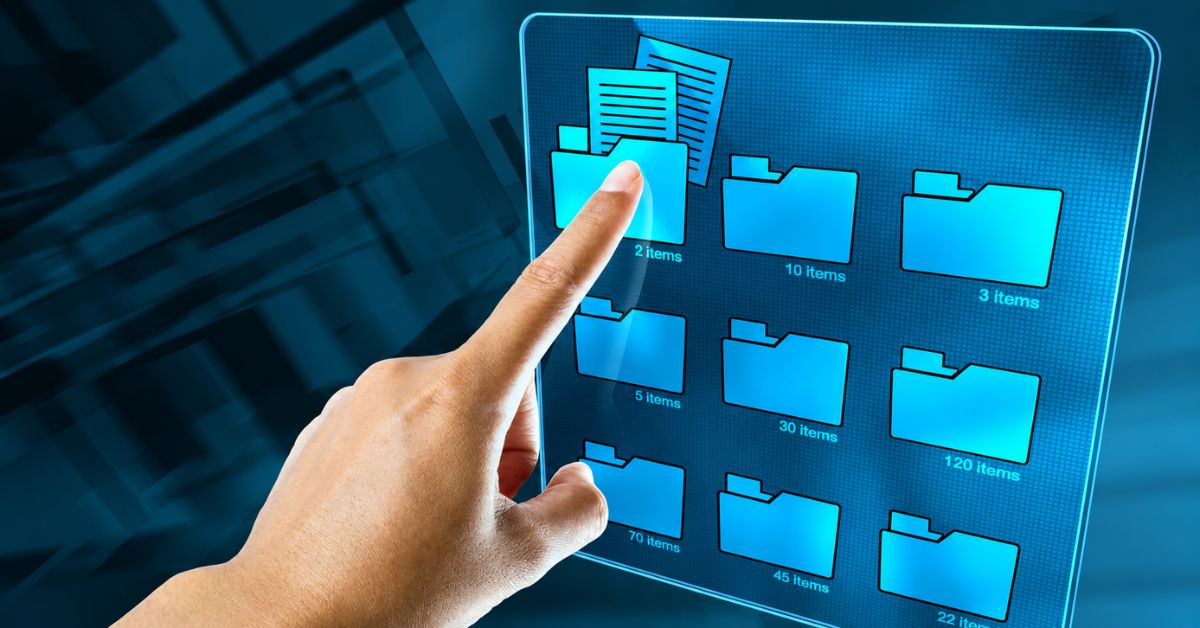

BIMCO has updated its open source electronic bill of lading standard (eBL Standard) for the bulk shipping sector, providing a common data structure intended to improve interoperability between digital trade documentation systems.
The updated V2.0 standard comprises 36 predefined data fields covering information common to bills of lading used in bulk shipping, expanded from the original 20 fields introduced when BIMCO first launched the standard in 2022. It is aligned with the UN/CEFACT standard and is described as ISO 5909 ready.
BIMCO said the structure is designed to retain familiarity with paper bills of lading while providing a common industry format for digital documentation, with the aim of supporting the transition to electronic bills of lading. By establishing a common industry standard, BIMCO aims to support interoperability and accelerate the adoption of electronic bills of lading, addressing a long-standing obstacle to wider eBL uptake: the inability to transfer an eBL from one approved platform to another. Transferring an eBL between platforms requires the document to be in the same “digital language,” which is why establishing and applying a shared technical standard has been treated as a foundational step.
The standard’s design remains consistent with bills of lading already used in the bulk sector, such as CONGENBILL, meaning the underlying framework applies equally across BIMCO’s various bills of lading and other bulk bills of lading, including house bills. The standard is freely available to any electronic bill of lading solution provider.
BIMCO is a founding member of the FIT (Future International Trade) Alliance, a cross-industry coalition working to produce open standards for electronic trade documents, alongside the Digital Container Shipping Association (DCSA), FIATA International Federation of Freight Forwarders Associations, the International Chamber of Commerce (ICC) and SWIFT. Despite the availability of safe, well-established platforms approved by the International Group of P&I Clubs, less than 2% of world trade is currently carried on electronic bills of lading, a gap BIMCO’s updated standard is intended to help close.
The newly updated standard documentation is available to download from BIMCO’s website.
 Join our WhatsApp channel for more updates:
 Subscribe to our YouTube channel for more updates: