




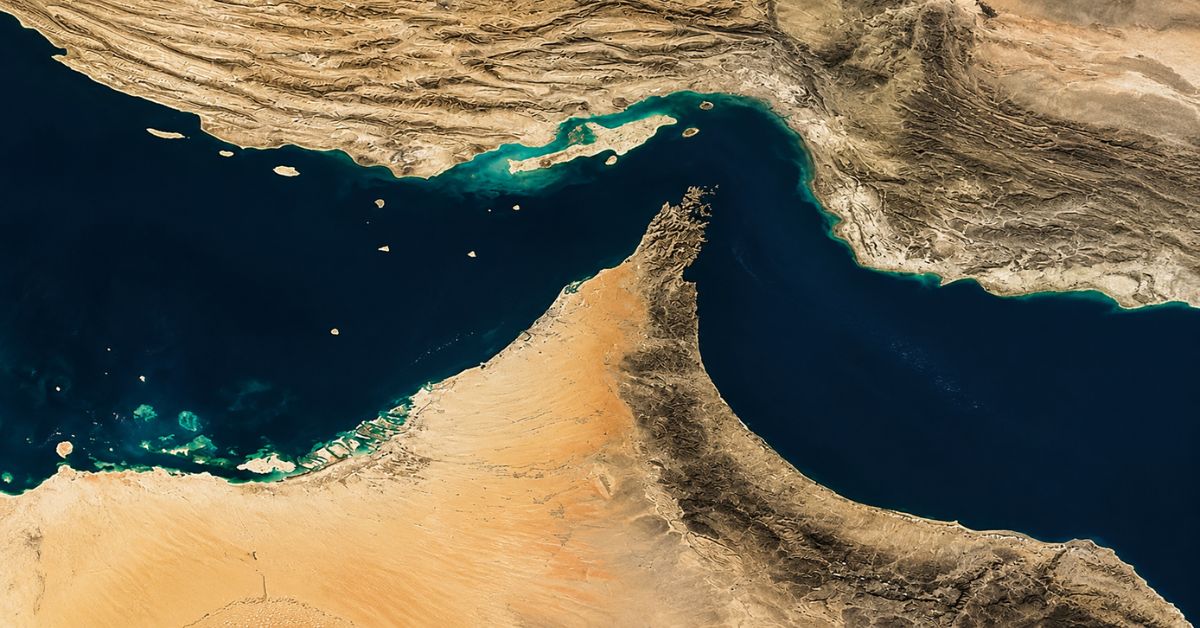

United States Central Command (CENTCOM) commander Admiral Brad Cooper has said the primary shipping routes through the Strait of Hormuz have been cleared of Iranian sea mines and commercial vessels are continuing to transit. His statement on 30 October 2026 came amid conflicting Iranian claims and separate reports of attacks on merchant shipping.
Cooper said he had observed dozens of cargo ships, crude tankers and liquefied natural gas (LNG) carriers moving through the waterway during an aerial inspection. However, reported incidents in the region underline the distinction between clearance of designated transit lanes and the wider security conditions facing shipowners.
What has CENTCOM said about mine clearance?
CENTCOM’s account states that US forces cleared the internationally recognised primary transit routes and continue to protect commercial traffic.
A command statement describing Cooper’s visit to the strait on 25 October said more than 3,000 commercial vessels had passed through with CENTCOM support over the preceding six months. It also said US forces had assisted Gulf partners in exporting more than 1.5 billion barrels of crude oil since the summer.
Those figures are US military assessments. They describe supported vessel movements and exports over specified periods, rather than an independently verified measure of unrestricted navigation throughout the region.
What is Iran disputing?
Iran’s Islamic Revolutionary Guard Corps (IRGC) has challenged the US account of minesweeping operations and demanded independent evidence.
Iranian authorities have also claimed that tankers encountered mines while using routes Tehran described as unauthorised. These claims remain contested, with no independently verified account establishing that all the reported vessel incidents resulted from sea mines.
CENTCOM has rejected Iranian accounts of mine strikes on the principal shipping lanes and said commercial vessels continue to use them. The opposing statements therefore require careful attribution rather than treatment as an agreed assessment of conditions.
What incidents have been reported separately?
The United Kingdom Maritime Trade Operations (UKMTO) agency reported a vessel struck by an unidentified projectile approximately 40 nautical miles south of Iran’s Lavan Island, causing a fire. The crew were reported safe, with no environmental impact reported.
It was unclear whether that vessel was among those identified in Iranian statements. The incident report did not establish the attacker’s identity or confirm a mine strike.
Separate reporting citing UKMTO described an attack in which a small boat attached explosive devices to a tanker near the strait. Such an incident involves a different threat from mines laid along a navigation route.
Does lane clearance mean shipping has returned to normal?
Clearance of particular routes does not establish that every part of the strait or surrounding Gulf waters is free from hazards. It also does not address every potential threat to commercial vessels, including projectiles or attacks involving small craft.
Similarly, the passage of vessels demonstrates that traffic is moving, but does not by itself establish that transit volumes, insurance conditions or operating practices have returned to their earlier levels.
For shipping and energy markets, the distinction matters. CENTCOM’s announcement concerns the condition of primary transit lanes and its continuing protection mission. The separately reported incidents concern the broader operating environment.
The available accounts support a qualified conclusion: commercial navigation is continuing through Hormuz, according to CENTCOM, while disputed claims and reported attacks mean that a comprehensive return to normal shipping conditions has not been established.
 Join our WhatsApp channel for more updates:
 Subscribe to our YouTube channel for more updates:




