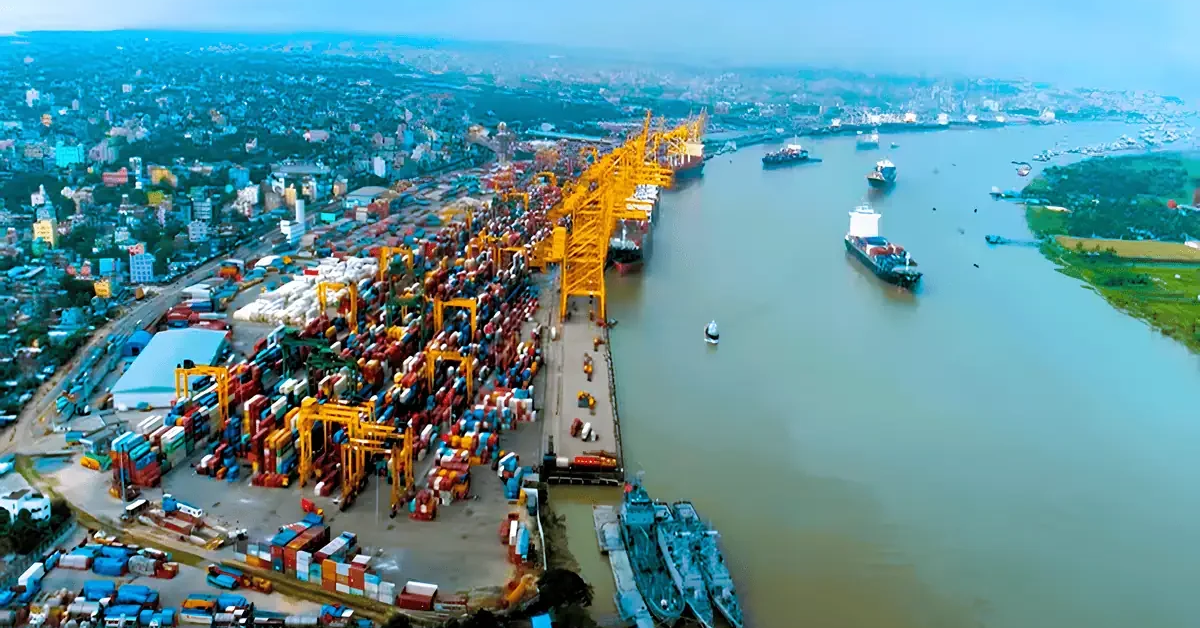

Bangladesh Railway is connecting all existing and new terminals at Chattogram seaport to the rail network, as the government pushes a modal shift of freight from road to rail to improve cargo evacuation and reduce logistics costs.
Bangladesh Railway (BR) is working to establish direct rail connectivity with all terminals at Chattogram seaport, including existing facilities and newer cargo-handling terminals operated by contracted multinational companies. The initiative is part of the government’s target to shift a larger share of freight from road to rail for smoother and lower-cost cargo carriage.
The move is expected to improve container evacuation from the port, reduce road congestion and strengthen multimodal logistics between Chattogram and inland destinations, particularly Dhaka. It will also support the growing operations of private terminal operators at the country’s principal seaport.
Rail Connectivity Across Terminals
The plan covers rail links to all port terminals, allowing cargo to move directly from port facilities to the railway network. This is intended to reduce dependence on trucks for inland freight movement and create a more reliable evacuation system for import and export containers.
Chattogram Port currently has multiple container and cargo terminals, including the Chittagong Container Terminal, New Mooring Container Terminal and Patenga Container Terminal. Direct rail access across these facilities would help integrate port operations with Bangladesh Railway’s freight network.
Support for Multimodal Logistics
The rail-connectivity push complements broader efforts to develop a multimodal logistics hub integrating rail, road and Chattogram seaport facilities near the Bay Terminal. The government has positioned improved port-rail integration as part of its strategy to support trade growth and export competitiveness.
Bangladesh has also been expanding private participation in port operations. In October 2026, the Chittagong Port Authority signed a 15-year concession with DP World to operate and maintain the New Mooring Container Terminal and its overflow container yard, with plans for infrastructure upgrades and digital solutions to improve cargo-handling efficiency.
Potential Benefits for Shippers
For exporters, importers, freight forwarders and logistics operators, stronger rail links could offer more predictable cargo evacuation and lower inland transport costs. Rail movement can also reduce highway congestion and emissions compared with road-based container transport.
However, the pace and impact of the initiative will depend on rail capacity, rolling stock availability, terminal-side infrastructure, customs processes and coordination between the port authority, terminal operators and Bangladesh Railway.
FAQs
1. Which terminals are covered under the initiative?
The plan covers all port terminals, including existing facilities and newer cargo-handling terminals operated by multinational contractors.
2. How does this support Bangladesh’s logistics sector?
It strengthens multimodal integration between the seaport, railway and road networks, improving supply-chain reliability for exporters and importers.
3. What challenges could affect implementation?
Key factors include rail capacity, availability of container wagons, terminal infrastructure, customs processes and coordination among port and railway authorities.
 Join our WhatsApp channel for more updates:
 Subscribe to our YouTube channel for more updates: