
New Tadoki-Rowghat and Abhanpur-Kurud broad-gauge sections will improve passenger connectivity and strengthen freight movement for Bastar’s mining and industrial supply chains.
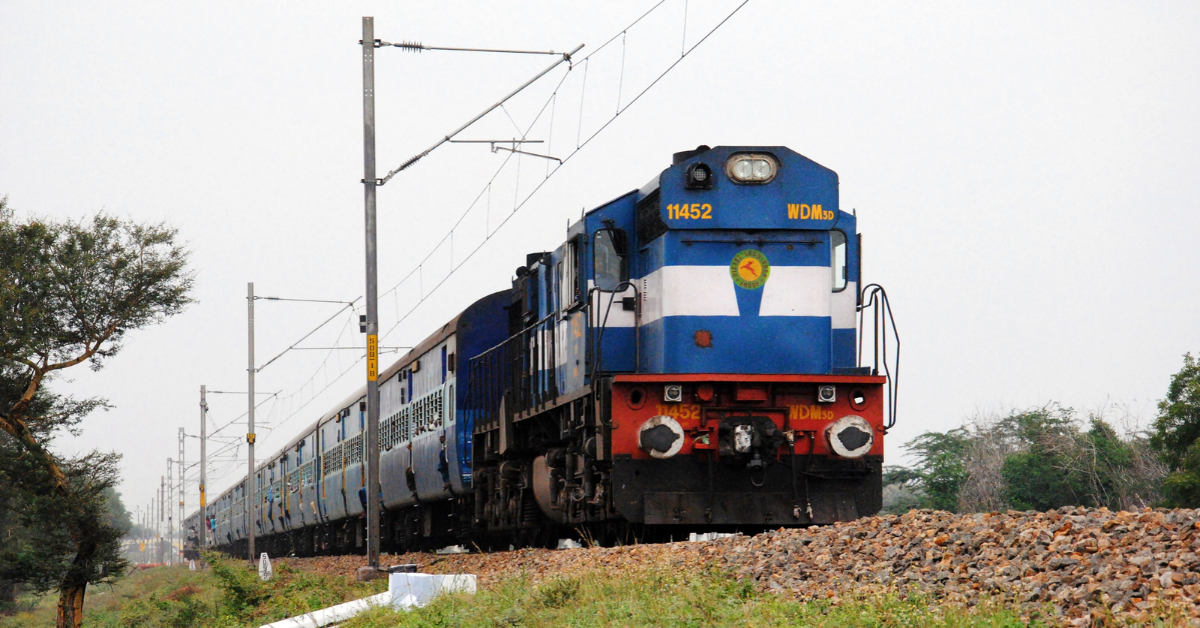
Chhattisgarh’s railway infrastructure received a major boost with the inauguration of two new broad-gauge lines—the Tadoki-Rowghat section and the Abhanpur-Kurud line. Passenger services have also begun between Rowghat and Raipur, and between Raipur and Kurud, improving access for communities in remote parts of the state.
Chief Minister Vishnu Deo Sai inaugurated the new sections and flagged off the train services. Railway Minister Ashwini Vaishnaw joined the event virtually from New Delhi. The developments form part of railway projects worth around Rs 57,000 crore currently being implemented in Chhattisgarh.
Rail Connectivity for Bastar and Beyond
The newly completed 17.5-km Tadoki-Rowghat stretch completes the 95-km Dallirajhara-Rowghat railway project. Passenger operations were already running on the 77.5-km Dallirajhara-Tadoki section, while services on the final stretch began on Tuesday.
The electrified, single-line broad-gauge section is part of the approximately 240-km Dallirajhara-Rowghat-Jagdalpur project. It is being developed through a joint venture involving the Chhattisgarh government, National Mineral Development Corporation (NMDC), Steel Authority of India Ltd (SAIL) and Indian Railways.
The new line is expected to improve connectivity across the Bastar region and support the movement of iron ore from the Rowghat mines to SAIL’s Bhilai Steel Plant in Durg district. It will also aid the transport of agricultural produce and commercial goods while improving access to education, healthcare and employment.
Raipur-Kurud Broad Gauge Line
The Abhanpur-Kurud broad-gauge line replaces the earlier narrow-gauge route on the Raipur-Dhamtari corridor. With broad-gauge connectivity now extended to Kurud, work is underway to take the line further to Dhamtari.
The Raipur-Rowghat service has been a long-pending demand in the region. Officials said the new connectivity will benefit residents of remote areas and support local economic activity.
Major Projects in the Pipeline
Chhattisgarh’s railway expansion includes the Parmalkasa-Kharsia corridor, the 182-km Ambikapur-Barwadih line linking the state with Jharkhand, and the proposed Rowghat-Jagdalpur railway line. The state government has prioritised land acquisition for the Rowghat-Jagdalpur project.
The railway ministry said the Tadoki-Rowghat section connects Raipur to Rowghat via Dallirajhara. The network is planned to be extended to Jagdalpur and further to Koraput in Odisha and Visakhapatnam in Andhra Pradesh, strengthening east-coast and mineral-rich hinterland connectivity.
Station Upgrades and Electrification
Thirty-two railway stations in Chhattisgarh are being upgraded to world-class standards, with eight already completed. The state has also achieved complete railway electrification, supporting more efficient and lower-emission rail operations.
A new electric locomotive maintenance facility is planned in Raipur to service modern 9,000-horsepower locomotives. The ministry said these locomotives meet international standards and could also be exported in the future.
FAQs
1. Which two railway lines were inaugurated in Chhattisgarh?
The Tadoki-Rowghat section and the Abhanpur-Kurud broad-gauge line were inaugurated. Passenger services have also started between Rowghat-Raipur and Raipur-Kurud.
2. How will the Tadoki-Rowghat line support freight movement?
The line will help transport iron ore from Rowghat mines to SAIL’s Bhilai Steel Plant, strengthening industrial and mining logistics in Chhattisgarh.
3. What is the Dallirajhara-Rowghat-Jagdalpur project?
It is an approximately 240-km railway project aimed at improving connectivity in the Bastar region. The Tadoki-Rowghat section is part of this corridor.
4. How much is being invested in Chhattisgarh’s railway projects?
Railway projects worth around Rs 57,000 crore are being implemented in the state, alongside station modernisation and complete rail electrification.
5. Why is the Raipur-Kurud broad-gauge line important?
It converts the earlier narrow-gauge Raipur-Dhamtari corridor to broad gauge, improving passenger convenience and enabling future extension of the line to Dhamtari.
 Join our WhatsApp channel for more updates:
 Subscribe to our YouTube channel for more updates: