





Summary
Cochin Port recorded 22% year-on-year growth in container throughput during April–September 2026, leading India’s major ports on this measure. The increase exceeded the 12% sector average by 10 percentage points, extending the momentum seen at its Vallarpadam terminal and strengthening its position in southern India’s container logistics market.
First-half growth outpaces the sector
Cochin Port container growth reached 22% in the first half of FY2026–27, placing it first among India’s major ports for the rate of increase in container throughput.
The April–September performance was substantially above the 12% growth recorded across major ports. The comparison highlights Cochin’s faster expansion during the period, although the ranking relates to growth rather than the absolute number of containers handled.
The result gives the port a stronger platform for attracting shipping services and supporting businesses that depend on containerised imports and exports. For cargo owners, however, the practical value of higher throughput also depends on service frequency, connections, handling reliability and the cost of moving goods between the terminal and their final destination.
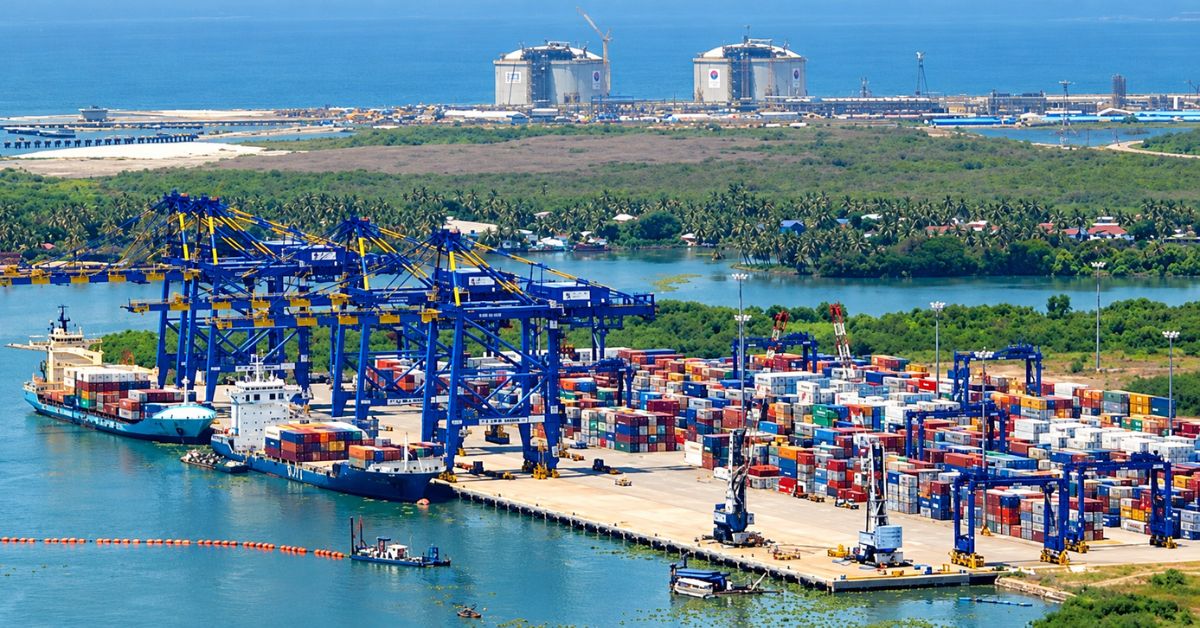
Cochin’s container business centres on the International Container Transshipment Terminal at Vallarpadam, operated by DP World. The latest half-year performance follows a series of strong monthly results earlier in 2026.
Record August provides operational momentum
In August, the terminal handled 97,952 twenty-foot equivalent units (TEUs), its highest monthly throughput, representing a 51% increase over August 2025.
That followed volumes of 74,644 TEUs in June and 74,585 TEUs in July. The sequence shows that the record month came after two months of substantial container activity.
Between June and August, the terminal also accommodated 51 ad hoc vessel calls while continuing its regular operations. These additional calls took place amid geopolitical disruptions affecting international cargo flows.
For a container terminal, accommodating unscheduled calls alongside established services requires coordination across berth planning, cargo handling and landside movements. The commercial opportunity is to convert such additional traffic into recurring business, supported by dependable connections for shippers.
The August figures provide useful background to the first-half result, but monthly records and six-month growth rates measure different aspects of performance.
Growth builds on an established container business
Cochin’s recent expansion follows an earlier increase in container handling during FY2024–25.
The port handled 834,665 TEUs that year, up approximately 11% from 754,237 TEUs in FY2023–24. Transshipment traffic reached 169,562 TEUs, demonstrating the terminal’s role in transferring containers between vessels as well as serving regional trade.
An important feature of that earlier performance was the increase in cargo handled per vessel call. Average container exchanges rose to 1,304 TEUs per call from 1,157 TEUs, even as annual container vessel calls declined slightly from 652 to 640.
This history illustrates why vessel numbers alone cannot explain throughput growth. Larger exchanges on individual calls can increase container handling without a corresponding rise in the number of ships visiting a terminal.
The latest first-half growth rate adds to that longer-term development, although a detailed breakdown would be needed to establish how much came from gateway cargo, transshipment or changes in vessel exchanges.
Warehousing strengthens the wider logistics offering
Beyond quayside operations, Cochin’s container ecosystem includes a Free Trade Warehousing Zone developed by DP World. Its first phase was commissioned in June 2024, providing additional infrastructure for export-import logistics.
The facility supports storage, consolidation and distribution alongside the container terminal. Bringing these activities together can help businesses organise cargo movements and inventory around shipping schedules.
For manufacturers and traders, the attraction of a port extends beyond available berth capacity. Access to warehousing and efficient inland transport can influence the overall time and cost of a shipment.
Sustaining the momentum
Cochin’s first-half result establishes a clear lead in container throughput growth among major ports. Maintaining that momentum will require coordination between terminal operations, shipping services and cargo evacuation.
For the logistics industry, the key question is whether the additional volumes translate into more consistent sailing options and dependable supply chains. The 22% increase provides a strong operating result; its longer-term commercial significance will depend on how effectively the port and its partners retain and serve that growing cargo base.
FAQs
How much did Cochin Port’s container throughput grow?
It increased 22% year on year during April–September 2026.
How did this compare with other major ports?
Cochin led major ports in container throughput growth, exceeding the 12% average by 10 percentage points.
Does this make Cochin India’s largest container port?
The ranking concerns the growth rate, rather than total container throughput.
Who operates the Vallarpadam container terminal?
DP World operates the International Container Transshipment Terminal.
What was the terminal’s August 2026 throughput?
It handled a record 97,952 TEUs, up 51% year on year.
 Join our WhatsApp channel for more updates:
 Subscribe to our YouTube channel for more updates:




