


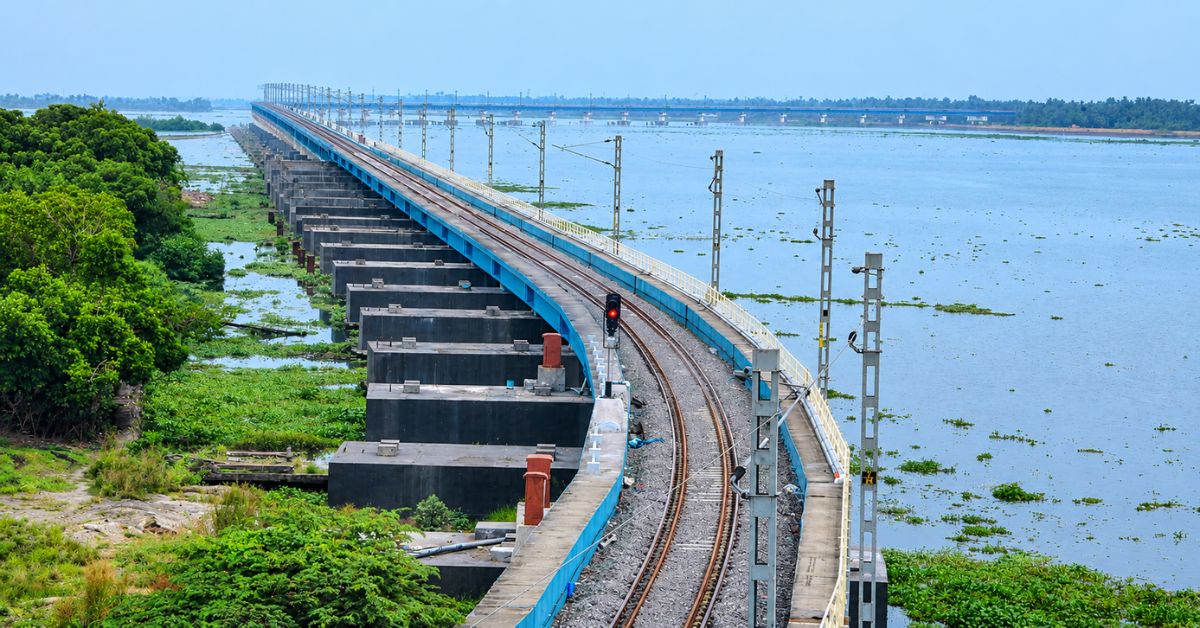

Cochin Port Authority has conducted its first trial of automobile rail logistics through the rail siding at the International Container Transhipment Terminal (ICTT), Vallarpadam, unloading 119 vehicles during the operation.
The initiative is aimed at increasing utilisation of the terminal’s rail infrastructure while creating an additional cargo stream and revenue opportunity for the port.
Why is Cochin Port turning to automobile rail traffic?
The trial involves the 8.86-km Vallarpadam-Edappally rail link, which was built at a cost of around ₹370 crore but has remained underutilised because of limited freight volumes.
High rail freight costs and the preference for road transport within Kerala have restricted traffic on the corridor. Introducing automobile movements could provide an additional source of rail cargo and improve utilisation of the existing infrastructure.
What happens after the trial?
Cochin Port Authority has started discussions with a major automobile manufacturer to establish a regular rail service. The initial proposal targets around two rakes a month.
Freight rates and committed cargo volumes remain to be finalised and will determine the commercial viability of the service.
DP World, which operates ICTT Vallarpadam, is also monitoring the development. Any automobile rail operations will need to be coordinated with container handling to ensure that the terminal’s primary operations are not disrupted.
How is competition from Vizhinjam affecting Cochin?
The expansion of Adani Ports-operated Vizhinjam International Seaport has increased competitive pressure on Cochin’s transhipment business.
Against this backdrop, Cochin Port Authority has been exploring additional cargo and revenue opportunities. In August 2026, the port authority and DP World also settled a legal dispute dating back 15 years, providing a more stable basis for future cooperation at Vallarpadam.
What challenges could limit rail freight growth?
The availability of return cargo remains a key challenge for sustained rail operations.
Earlier efforts to move empty containers by rail through the Container Corporation of India did not gain traction because sufficient two-way cargo flows could not be established.
For the automobile service, competitive freight rates, reliable rake availability and sufficient cargo volumes will be important factors in determining whether the trial develops into a regular rail service.
 Join our WhatsApp channel for more updates:
 Subscribe to our YouTube channel for more updates: