



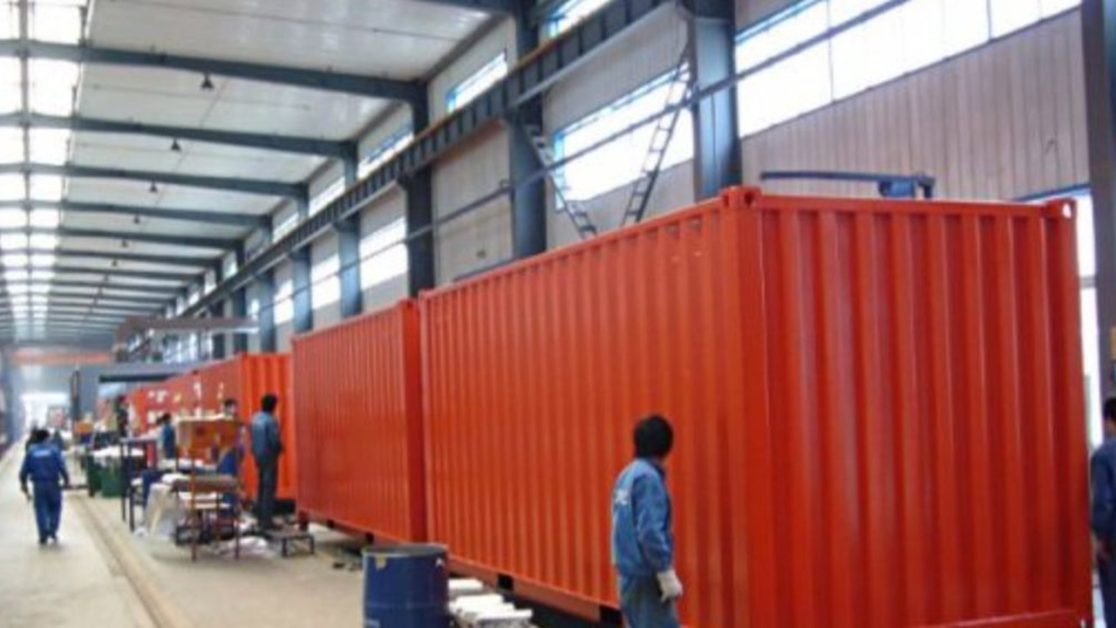

India’s growing trade and manufacturing ambitions have increased the need for a strong domestic container manufacturing base. The proposed Container Manufacturing Assistance Scheme (CMAS), backed by a Rs 10,000 crore outlay, seeks to promote manufacturing, investment and technology development across the container ecosystem. With broader reforms in shipping, ports and logistics, the initiative is expected to strengthen India’s maritime capabilities, generate employment and support India’s long-term trade competitiveness.
Global trade today is increasingly driven by containerised logistics. According to the United Nations Conference on Trade and Development (UNCTAD), around 80% of global merchandise trade by volume is transported by sea, with maritime transport forming the backbone of international commerce. Containerised cargo accounts for nearly two-thirds of the value of international trade, underlining the strategic importance of efficient container logistics in supporting global supply chains.
In recent years, geopolitical tensions, supply-chain disruptions and changing shipping routes have exposed vulnerabilities in the global movement of goods. UNCTAD has observed that these disruptions have contributed to freight-rate volatility and increased pressure on maritime transport networks. As a result, many countries are placing greater emphasis on enhancing domestic manufacturing capabilities for critical logistics assets, including shipping containers.
India’s growing role in global manufacturing and international trade has significantly increased the demand for containerised cargo movement. However, despite expanding EXIM trade and rapid logistics development, India has largely depended on imported empty containers, importing nearly 2 million empty containers every year to meet domestic demand and for repositioning purposes. This has made container availability vulnerable to global market fluctuations, freight volatility and supply-chain disruptions.
Recognising these emerging challenges, the government announced CMAS to establish a globally competitive container manufacturing ecosystem in India by promoting domestic manufacturing and encouraging investment across the value chain. The initiative also seeks to reduce import dependence and strengthen supply-chain resilience, complementing the government’s initiatives under Make in India, Maritime Amrit Kaal Vision 2047 and multimodal logistics development.
Announced in the Union Budget 2026-27, the scheme will have an outlay of Rs 10,000 crore over five years and will provide financial and institutional support for setting up new manufacturing facilities and expanding existing units. The initiative aims to build a globally competitive container manufacturing ecosystem and expand India’s annual domestic production capacity to around 7.5 lakh TEUs. The scheme will likely provide capital assistance for new greenfield manufacturing facilities, support expansion of existing brownfield units, and operational assistance to improve the competitiveness of domestic manufacturers, alongside support for testing infrastructure, skilling and capacity building.
 Join our WhatsApp channel for more updates:
 Subscribe to our YouTube channel for more updates: