




The Directorate General of Foreign Trade (DGFT) has withdrawn recognition of 15 pre-shipment inspection agencies (PSIAs) after a review found irregularities in the issuance of pre-shipment inspection certificates (PSICs), even as metal scrap importers have flagged difficulties in clearing consignments at ports, penalties and additional inspection costs amid a tightening of the certification regime.
“A review of PSIA-issued certificates identified several agencies that had not followed the prescribed inspection and certification procedure. Following due process, 15 PSIAs had their recognition withdrawn after identifying that the PSIAs had issued a large number of PSICs from a single instrument across countries without due diligence,” the trade regulator said.
PSIAs are DGFT-approved entities that inspect consignments at the port of loading and issue PSICs to ensure that metal scrap entering India is free from radioactive material, arms, ammunition or explosives. The importer furnishes the PSIC to Customs at the time of clearance. For scrap originating from designated safe countries, the US, UK, Canada, New Zealand and Australia, or regions such as the European Union, a supplier or scrap-yard certificate is accepted in lieu of a PSIA inspection, subject to specified conditions. Any misdeclaration by PSIAs attracts penal action under the Foreign Trade (Development & Regulation) Act, 1992, in addition to suspension or cancellation of recognition.
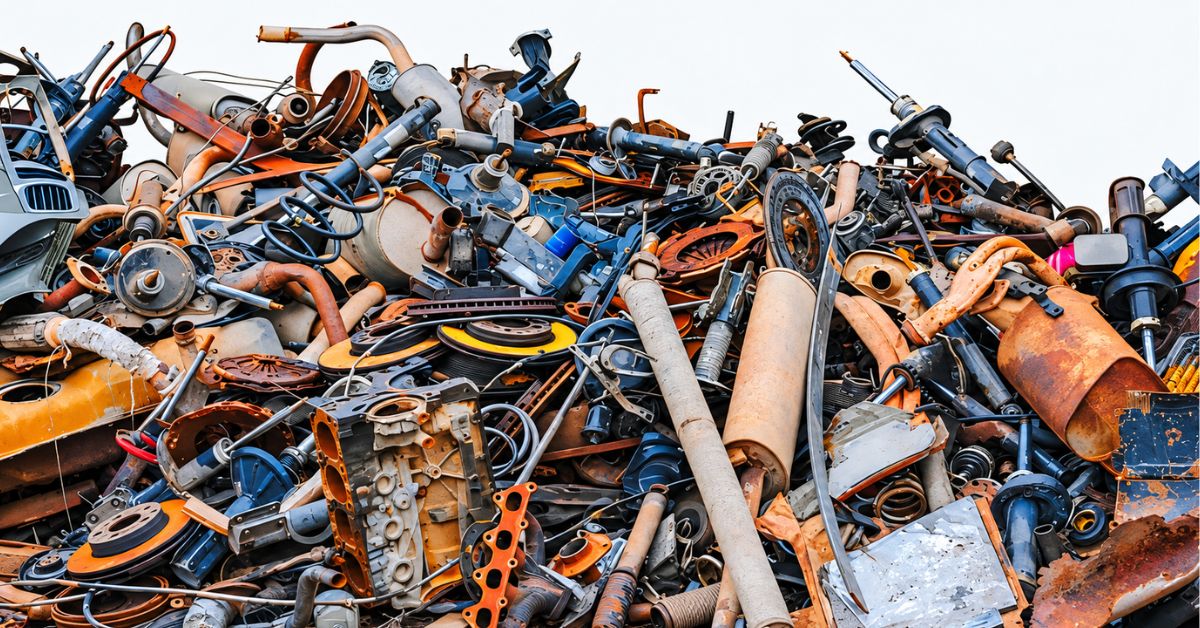
The delisting has created logistics bottlenecks for metal scrap importers, leading to stranded cargo at ports and increased costs for the secondary steel industry. India currently imports 13 million tonnes of metal scrap annually, and around 2,500 containers of scrap are handled daily by ports across the country.
While DGFT maintains that source-side inspections are a vital safeguard for national security, the regulator has indicated a willingness to discuss the expansion of the “safe country” list with the Department of Revenue. By exempting more regions from the mandatory PSIA requirement, the government aims to reduce supply chain volatility while continuing to ensure that hazardous materials do not enter the country. Future updates from the government regarding these safe country lists or new port-side scanning protocols will be important for importers to track, as these changes will determine the pace and cost of metal imports in the coming months.
For businesses in the secondary steel and metal recycling sector, the delays have implications extending beyond logistics, given that metal scrap is a critical raw material for the industry.
 Join our WhatsApp channel for more updates:
 Subscribe to our YouTube channel for more updates: