




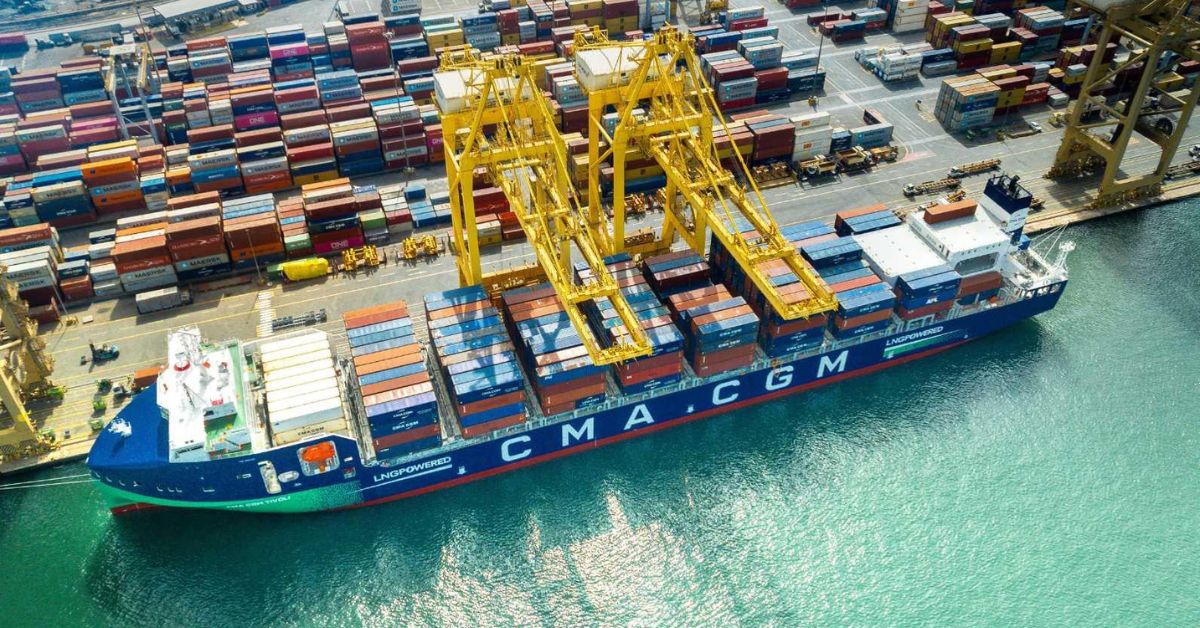

Indian exporters absorbed a second round of container freight rate increases this week, with major carriers implementing hikes of up to 40 per cent from April 1 — a fresh cost shock that industry executives warn may prove more durable than the first round of increases in early March, given the deepening uncertainty over the duration of the Iran conflict and the absence of any credible near-term timeline for Hormuz restoration.
From April 1, container shipping rates for exports from India to Europe have risen by up to USD 1,000 per container, with Mediterranean Shipping Company, AP Moller-Maersk, and CMA CGM all implementing increases across key trade routes. The hike applies on top of existing Emergency Conflict Surcharges, War Risk Premiums, Emergency Fuel Surcharges, and the Inland Emergency Fuel Surcharges that have been accumulated since the crisis began — creating an all-in cost escalation that freight forwarders describe as ‘catastrophic’ for margin-sensitive export sectors.
Why This Round Is Different
The first round of post-crisis rate increases, implemented in early March, were treated by many market participants as temporary emergency measures that would be unwound as soon as Hormuz reopened or routing normalised. The second round, five weeks into the conflict with no ceasefire in sight, carries a different character: carriers are re-basing rates to reflect what appears to be a structurally altered cost environment for the foreseeable future. Extended Cape of Good Hope rerouting, higher fuel consumption, elevated insurance premiums, and constrained vessel availability on India-Europe lanes are all structural features of the current market that will not disappear overnight.
The India-Europe corridor is particularly exposed because it historically routed significantly through the Suez Canal and Red Sea — a pathway that is doubly disrupted by both the Hormuz blockage for Gulf-originating cargo and the residual Houthi threat in the Red Sea for Suez Canal transits. The practical alternative — full Cape rerouting — adds 10-14 days and several hundred thousand dollars in fuel costs per voyage, a burden that is now being passed systematically to shippers through this second rate cycle.
India’s Pharma, Smartphone and Perishable Sectors Hardest Hit
The sectoral impact is sharpest in India’s highest-value export segments. Indian pharmaceutical companies face up to USD 750 million in losses if the conflict persists, with both sea freight and air freight costs elevated and Gulf market payment cycles disrupted. India’s smartphone export sector — one of the country’s fastest-growing export categories — faces a potential shipment decline of up to 25 per cent as logistics delays and higher freight costs price Indian-manufactured devices out of West Asian and European market windows. India’s perishable goods exporters — handling shipments valued at up to USD 1.5 billion annually to Gulf, European, and Southeast Asian destinations — face the most acute time-sensitive logistics challenge, with cold chain integrity at risk as rerouting adds days to transit times.
India’s basmati rice exporters have taken the most unusual step of any sector in response to the crisis: they are now exploring a formal barter arrangement with Iran — rice in exchange for crude oil — as conventional payment and shipping channels have broken down. Industry estimates suggest approximately 400,000 tonnes of basmati rice are currently stranded at ports or in transit, and the barter proposal reflects the extremity of the situation for exporters who have Iran as their single largest market.
 Join our WhatsApp channel for more updates:
 Subscribe to our YouTube channel for more updates: