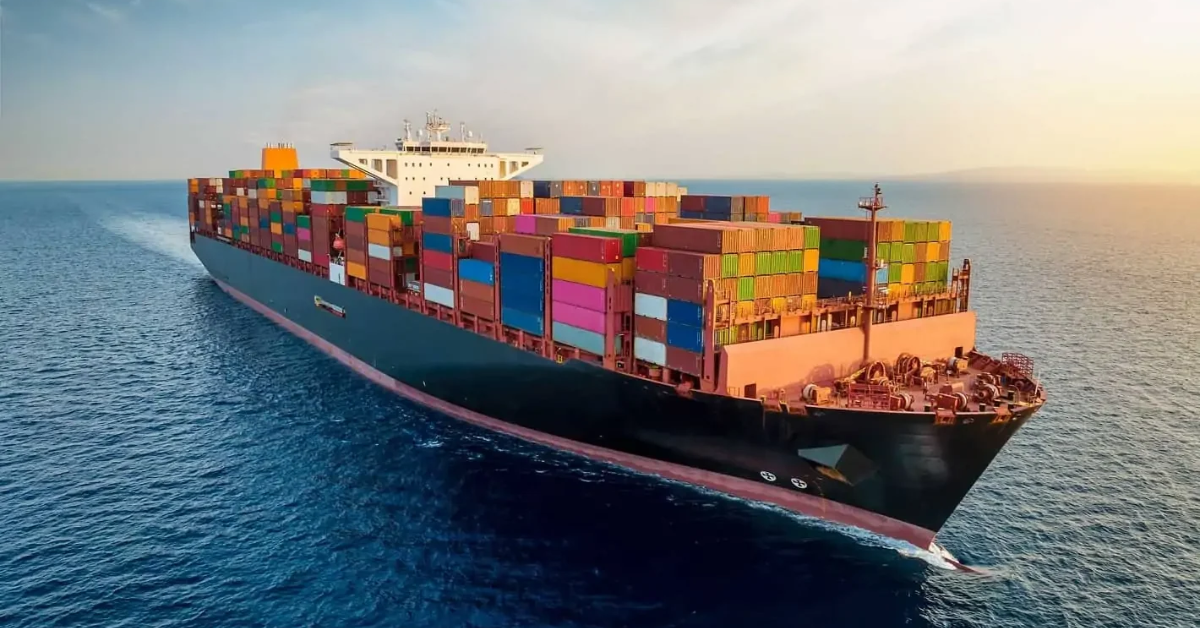

Middle East tensions have pushed global container freight rates up 130% since February 2026, even as India’s containerised export-import trade continues to grow strongly.
Global container freight rates have risen sharply from about USD 2,000–2,500 per container in February 2026 to roughly USD 4,000–4,500 in October, according to a Jefferies report. The increase reverses the easing trend seen through much of 2025 and early 2026, when improved demand-supply conditions had brought rates down after elevated levels in 2024.
Middle East Tensions Drive Higher Shipping Costs
Jefferies attributed the surge to renewed Middle East tensions affecting shipping routes and global cargo movement. The report also flagged a possible return of container lines to the Suez Canal as a key monitorable, since any route change could reshape freight rates and transit economics.
For exporters, importers, freight forwarders and port operators, the development signals renewed volatility in ocean freight. Higher rates can raise landed costs, alter shipping schedules and affect cargo planning, particularly for businesses dependent on Asia–Europe and Middle East trade lanes.
India’s Container Trade Remains Resilient
India’s containerisable export-import trade grew 23% year-on-year in September 2026. Exports rose 22%, while imports increased 23%, indicating continued momentum in the country’s container logistics sector despite higher global freight costs.
Exports to the United States grew 48% year-on-year in September. However, shipments to the UAE and Saudi Arabia declined 12–15%, reflecting uneven demand across key overseas markets.
Port Volumes Show Mixed Trends
Cargo volumes at India’s major ports increased 13% year-on-year in September, while non-major ports recorded a 1% decline. Gujarat’s non-major ports grew 3%, while ports in Maharashtra and Tamil Nadu expanded 6–7%.
In contrast, major and non-major ports along India’s eastern coast reported a sharp fall in volumes during the month. The report noted that the freight-rate increase has occurred alongside India’s trade growth, but the available figures do not establish that higher shipping costs have already affected export-import performance.
FAQs
1. Why have global container freight rates risen 130%?
Freight rates have climbed due to renewed Middle East tensions, which have disrupted shipping routes and increased costs for container lines. Rates rose from around USD 2,000–2,500 in February 2026 to USD 4,000–4,500 in October.
2. How does this affect Indian exporters and importers?
Higher ocean freight can increase landed costs, compress exporter margins and complicate cargo planning. However, India’s containerised trade still grew 23% year-on-year in September 2026.
3. Which Indian trade lanes showed the strongest growth?
India’s exports to the United States grew 48% year-on-year in September, while shipments to the UAE and Saudi Arabia fell 12–15%.
4. Could a return to the Suez Canal lower freight rates?
A return of shipping lines to the Suez Canal could ease pressure on freight rates by shortening transit routes, but Jefferies identified it as a key factor to monitor amid continuing Middle East tensions.
5. How did Indian ports perform in September 2026?
Major ports recorded 13% year-on-year cargo growth, while non-major ports declined 1%. Gujarat, Maharashtra and Tamil Nadu ports grew, while eastern coast ports saw a sharp volume decline.
 Join our WhatsApp channel for more updates:
 Subscribe to our YouTube channel for more updates: