




Goa’s proposed water metro project is moving forward as part of the Centre’s broader maritime push, with the plan expected to improve coastal and inland passenger connectivity in the state. The initiative is being positioned as a cleaner, more efficient mobility option for a state where waterways can complement road transport and reduce pressure on congested routes.
What the project covers
According to the available reporting, the project is expected to connect Vasco in Mormugao with Dona Paula in Tiswadi, with terminals identified across key locations in Goa. Officials have said the feasibility work is complete and that the next step is the Detailed Project Report, which will determine the final design, cost and funding structure. The project is also being linked to the Centre’s broader maritime and infrastructure agenda, which aims to promote water-based transport solutions in coastal states.
Why Kochi matters
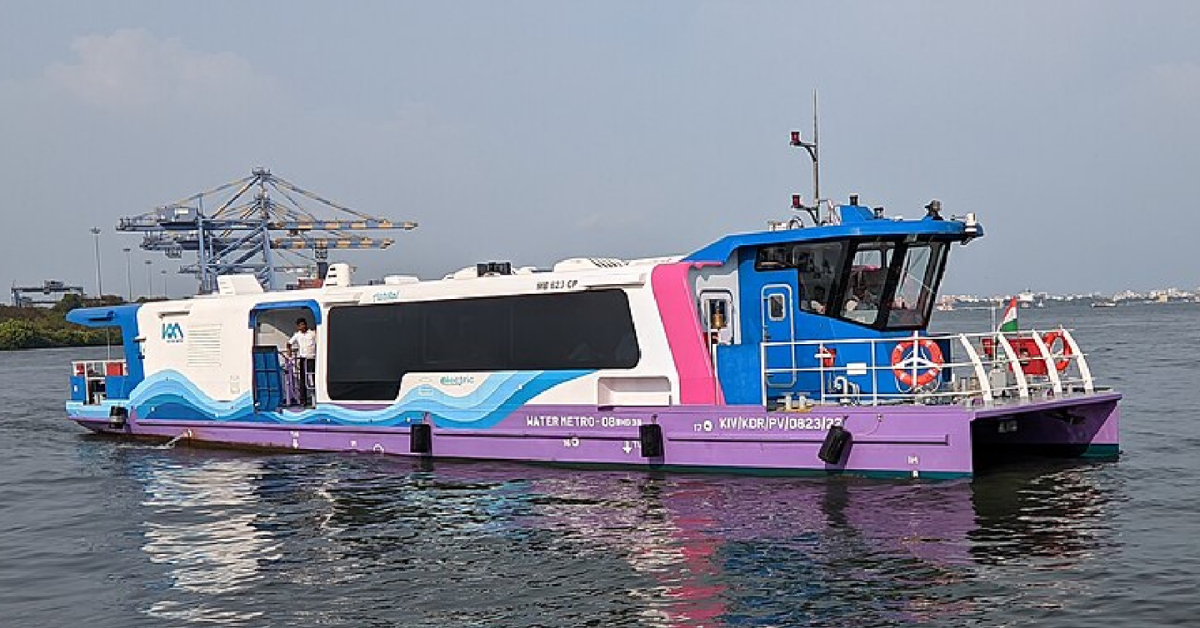
Kochi is central to the Goa plan because Kochi Metro Rail Ltd is serving as the nodal agency for the feasibility work and project development. That is significant because Kochi already operates India’s first water metro, a system built to connect island communities and mainland areas through hybrid-electric boats and integrated terminals. The Kochi model is widely seen as a reference point for Goa because it combines public transport planning with waterway-based mobility in an urban setting.
Lessons from Kochi
The Kochi Water Metro has demonstrated how inland waterways can be used as a public transport network rather than only as a tourism asset. Its structure includes multiple routes, terminals and battery-assisted or hybrid-electric vessels, making it one of the most closely watched urban water transport projects in India. For Goa, the Kochi experience provides a tested framework for route planning, terminal design, passenger integration and sustainable operations.
Maritime and mobility impact
If implemented successfully, the Goa Water Metro could become an important addition to the state’s transport system, especially for short-distance commuting across riverine and coastal stretches. It may also support tourism, local mobility and last-mile connectivity while aligning with the Centre’s push to expand maritime infrastructure spending. The project’s progress will depend on clear funding approval, technical planning and coordination between the state and central agencies.
Wider significance
The Goa plan reflects a growing interest in water-based transport as Indian cities and coastal states look for alternatives to road-heavy mobility. By drawing on Kochi’s experience, the project has a stronger chance of becoming a practical model rather than just a pilot concept. It also fits into a larger policy direction that sees waterways as part of India’s future transport and logistics network.
 Join our WhatsApp channel for more updates:
 Subscribe to our YouTube channel for more updates: