




Garden Reach Shipbuilders & Engineers has received a Letter of Intent worth Rs 37.94 crore from Syama Prasad Mookerjee Port, Kolkata, for the construction of a fully electric battery-powered tug, adding a fresh order to the shipyard’s growing commercial portfolio.
What does the order cover?
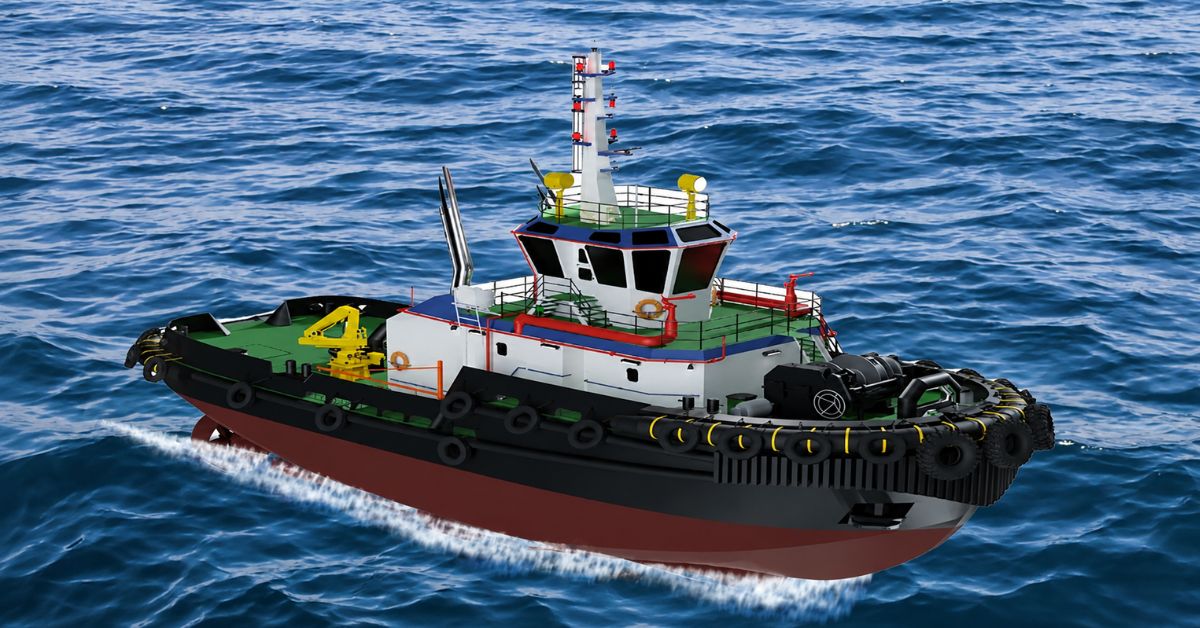
The Letter of Intent, received on August 3, 2026, covers the construction of one 15-tonne Bollard Pull Electric Battery Propulsion Tug, along with installation of shore charging infrastructure for the Kolkata Dock System. The total order value, including GST and taxes, stands at Rs 37.94 crore. The vessel will measure 25 metres in length with a beam of 8 metres, generate a static ahead bollard pull of 15 tonnes, and be deployed for harbour assistance and towing operations, offering an endurance of two hours of continuous operation and a maximum speed of 9 knots.
How does this fit into GRSE’s shift toward commercial shipbuilding?
The tug order adds to GRSE’s expanding non-defence and commercial shipbuilding segment, which management says now accounts for roughly 22.5 percent of the company’s order book, up from a smaller base earlier. GRSE has made notable advances in green vessel technology, having delivered a zero-emission electric ferry to the West Bengal government and currently building 13 hybrid diesel-electric ferries for the state, alongside 12 multi-purpose vessels for a German company, four of which will feature green propulsion systems.
What does this mean for GRSE’s broader order book and financial performance?
The order comes amid accelerated inflows across India’s shipbuilding sector, supported by the government’s Rs 69,725 crore shipbuilding revitalisation package, rising naval modernisation demand, and growing export interest from European shipowners. GRSE’s order book stood at Rs 15,324.13 crore across 9 projects and 39 platforms as of the latest update, dipping below Rs 20,000 crore for the first time in five years, which management attributed to faster project execution rather than a slowdown in inflows. GRSE closed FY26 with what management called its best-ever financial performance, with revenue from operations rising 38 percent year-on-year to Rs 7,002 crore and profit after tax growing 42 percent to Rs 748 crore.
What does this signal for India’s green port infrastructure push?
The order reflects the growing adoption of electric tugs by ports seeking to cut carbon emissions and operating costs, supported by initiatives such as the Maritime India Vision 2030 and the Green Ports Programme, which continue to encourage Indian ports to modernise their harbour craft fleets with cleaner propulsion technologies.
 Join our WhatsApp channel for more updates:
 Subscribe to our YouTube channel for more updates: