




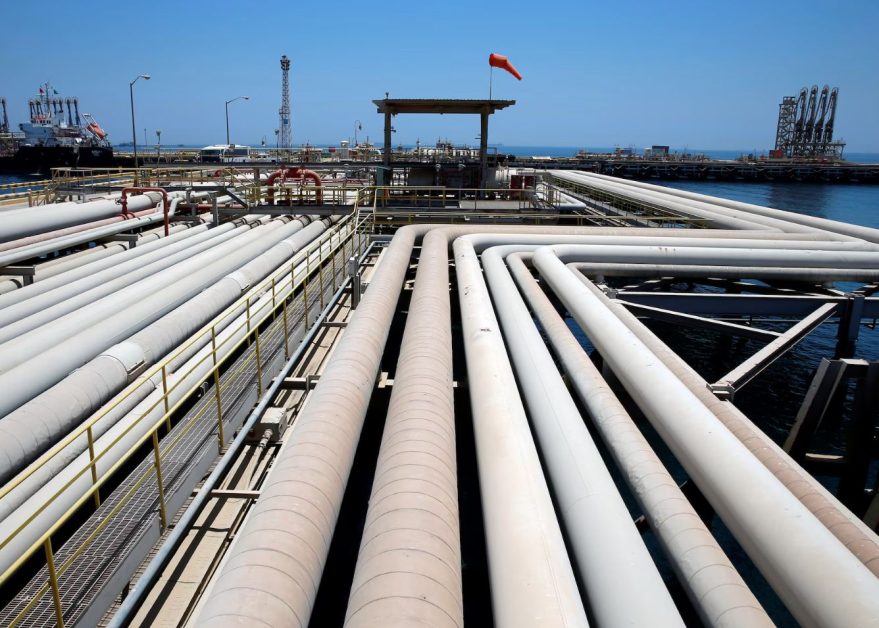

A consortium of US and Saudi companies is planning to build a new $5 billion refinery in the Persian Gulf, deliberately located outside the Strait of Hormuz, as regional energy players seek to reduce exposure to the chokepoint amid heightened geopolitical risk.
What does the new refinery project involve?
The facility, to be developed by a consortium named MERA Oil, will have a processing capacity of 200,000 barrels of crude oil daily. The consortium includes Texas-based MWG Group, the Patel Family Office, and PWS, a company associated with Saudi Arabia’s AHQ Group. The partners are currently evaluating a shortlist of three possible sites among Gulf Cooperation Council member states.
What infrastructure will the project include?
Beyond the refinery itself, the complex will feature a deepwater port, storage capacity and export facilities. The consortium confirmed the site will be located outside the Strait of Hormuz, a deliberate choice aimed at insulating the facility from disruptions affecting the critical waterway. At a later stage, the complex may also add sustainable aviation fuel processing capacity and carbon management facilities.
Why is this project significant amid current Gulf tensions?
The announcement comes days after Saudi Aramco was forced to shut down its Jazan refinery, removing 400,000 barrels per day from global refining capacity, following a Houthi strike that also reportedly hit Aramco facilities in Yanbu. Repairs at Jazan are expected to take until mid-August, according to media reports. The shutdown has added further strain to an already tight global refined fuels market, with crack spreads surging to record highs as supply struggles to keep pace with demand amid conflict spanning the Persian Gulf, the Red Sea and Russia.
What does this mean for regional refining capacity and energy security?
The MERA Oil project reflects a broader trend of Gulf energy players investing in infrastructure positioned outside high-risk shipping corridors, betting on long-term regional demand despite ongoing security concerns. The move comes even as Russia works to restart refineries damaged by drone strikes, though its diesel export ban remains in place, further tightening the global refined products market.
 Join our WhatsApp channel for more updates:
 Subscribe to our YouTube channel for more updates: