



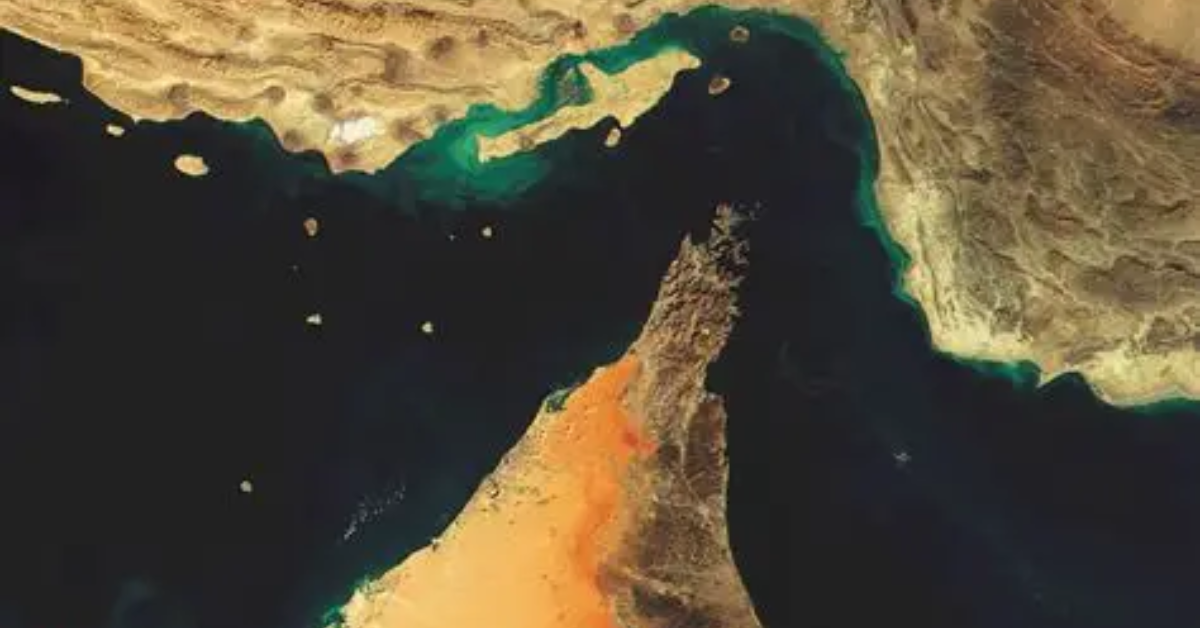

Global maritime trade is facing an unprecedented crisis as both the Strait of Hormuz and the Red Sea remain effectively closed to commercial shipping simultaneously — a combination that shipping industry analysts describe as having no historical precedent in modern times. As of March 21, no viable maritime alternative exists for vessels bound to or from the Persian Gulf.
The United Kingdom Maritime Trade Operations (UKMTO) has confirmed 21 attacks on merchant vessels in or near the Strait of Hormuz since the crisis commenced on February 28, when Iranian military forces began targeting commercial ships in response to escalating US-Iran tensions. The sustained pace of attacks has created an atmosphere of extreme risk that has prompted virtually all major shipping lines to suspend services into and out of the Gulf.
Hormuz Traffic Collapses 81 Per Cent
Merchant vessel traffic through the Strait of Hormuz has plummeted by more than 81 per cent compared to pre-crisis levels, according to vessel tracking data. The Hormuz strait ordinarily handles approximately 20 per cent of global oil trade, as well as a substantial share of global LNG and containerised cargo bound for Gulf states and onward to South and Southeast Asia.
The near-total collapse of Hormuz traffic has created a severe vessel supply shortage on key Asia-Middle East trade lanes, sending freight rates soaring and pushing exporters and importers to seek air freight alternatives at drastically elevated cost.
170 Containerships Stranded Inside the Gulf
Approximately 170 containerships — carrying an estimated 450,000 TEUs of cargo — are currently stranded inside the Persian Gulf, unable to exit through the Hormuz strait. The trapped fleet represents a significant share of capacity on Asia-Middle East trade lanes and includes vessels from most of the world’s top ten container shipping lines. The cargo aboard includes consumer goods, auto components, perishables, and industrial supplies destined for export markets in Asia, Europe, and Africa.
Iran Threatens Red Sea Over Gerald R. Ford Carrier
Compounding the crisis, Iran has issued explicit threats to extend its naval operations to Red Sea shipping lanes in response to the deployment of the USS Gerald R. Ford carrier group to the region. This has further deterred shipping companies from attempting to use the Red Sea-Suez Canal route, which itself had only partially recovered from the Houthi disruptions of 2024–25.
The dual closure means there is currently no maritime shortcut between Asia and Europe or the Americas that bypasses the Cape of Good Hope. Vessels rerouting via the Cape are adding 10–14 extra sailing days to their voyages, significantly increasing fuel consumption, vessel operating costs, and freight rates on virtually all major trade lanes touching the Indian Ocean.
 Join our WhatsApp channel for more updates:
 Subscribe to our YouTube channel for more updates: