



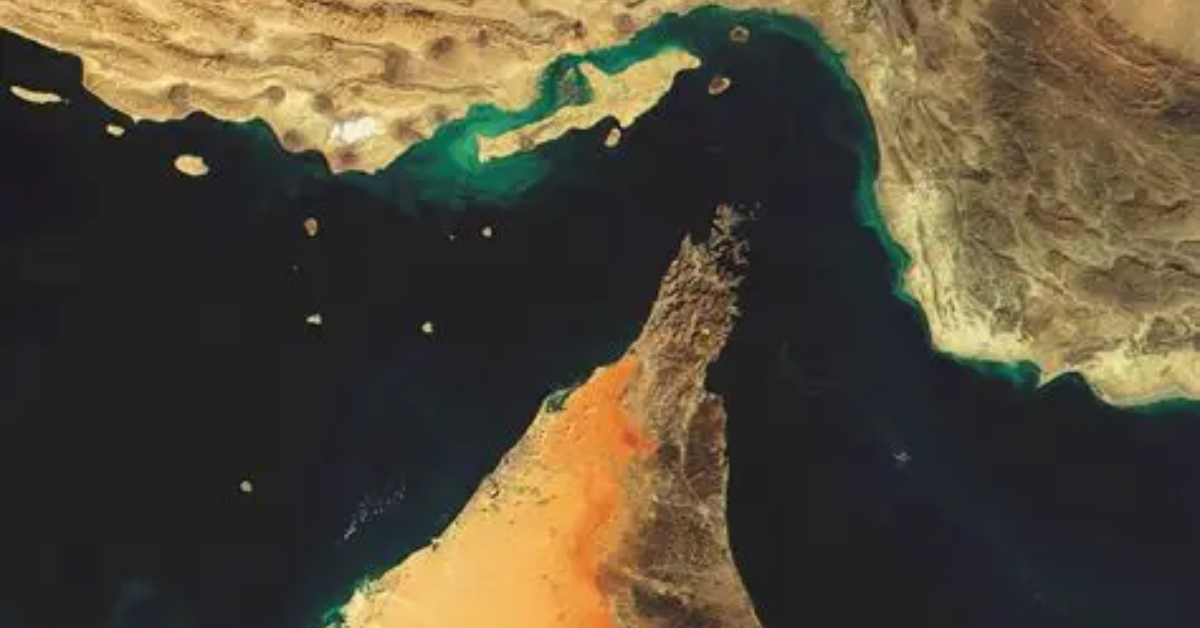

The Strait of Hormuz crisis has entered what maritime security analysts describe as a dangerous new phase, following reports of a US-linked vessel seizure by IRGC naval forces and a fresh round of attacks on merchant shipping in the waterway. The developments follow India’s Foreign Secretary summoning Iran’s ambassador on April 18 after IRGC gunboats fired on two Indian-flagged vessels — including the VLCC Sanmar Herald carrying 2 million barrels of Iraqi crude — and deepen the pattern of IRGC naval behaviour that has made commercial transit unpredictable regardless of flag or diplomatic clearance.
The core problem for commercial shipping is the growing contradiction between Iran’s diplomatic signals and IRGC Navy operations. Iranian Foreign Minister Araghchi declared the strait ‘completely open’ on April 17, Trump cited this as Iran agreeing to reopen Hormuz, yet within 24 hours the IRGC Navy had fired on Indian vessels that held valid IRGC transit clearances. The internal fragmentation between Iran’s diplomatic apparatus and its military’s on-ground behaviour in the strait has become the defining, and most commercially paralyzing, risk factor for operators trying to make real-time transit decisions.
Commercial Consequences
Industry sources describe the atmosphere among shipping line operators as ‘back to square one.’ War-risk insurance premiums that had briefly eased during the Oman-Iran talks period and Qatar’s maritime reopening are expected to spike sharply again on the new escalation. The Yang Ming Line rerouting of Middle East cargo via Khorfakkan — outside the Hormuz — and the launch of GT Lines’ second China-Khorfakkan service both reflect the growing commercial consensus that Gulf-of-Oman side routes are the realistic near-term alternative to Hormuz transit for Gulf-bound cargo.
For India, the escalation is critically timed against the April 19 expiry of the US sanctions waiver on Iranian crude purchases. Indian refiners who sourced Iranian crude under the waiver now face the simultaneous challenge of a lapsed waiver and an IRGC actively interdicting Indian-flagged tankers in the strait that those cargoes would need to transit. The Bharat Maritime Insurance Pool, approved by the Cabinet on April 18 addresses the structural insurance gap. Still, he cannot resolve the immediate operational paralysis that IRGC unpredictability is creating for vessel operators on the ground.
 Join our WhatsApp channel for more updates:
 Subscribe to our YouTube channel for more updates: