



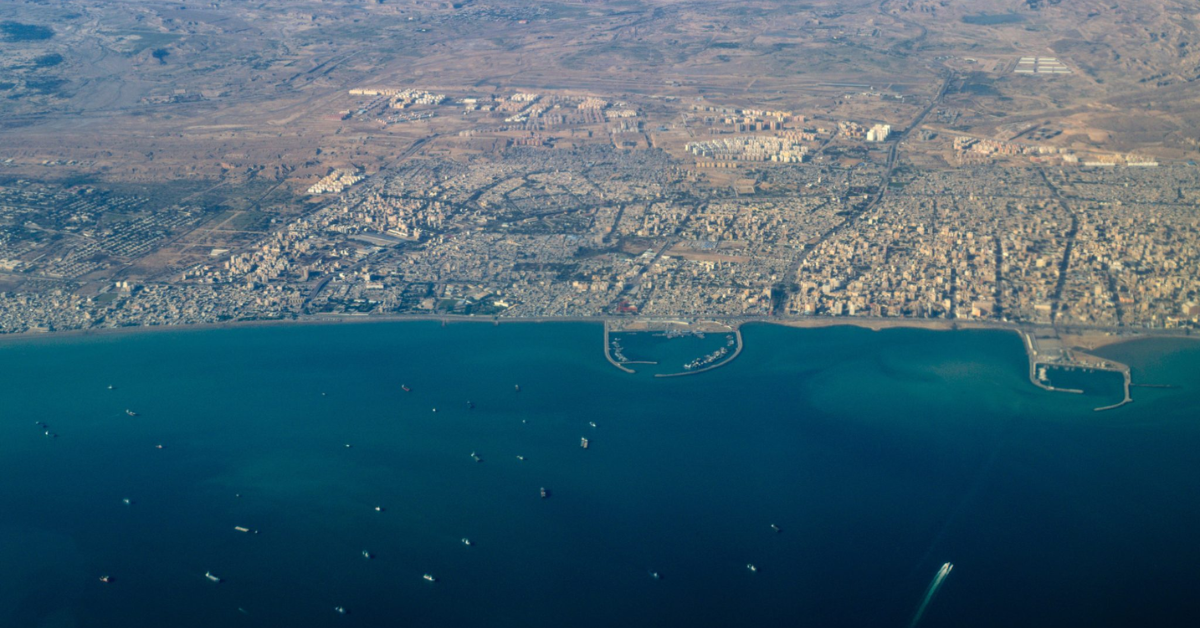

India has raised the alarm over escalating shipping vulnerabilities in the Strait of Hormuz, urging robust supply chain fortifications as geopolitical flares threaten global energy flows. With 20% of the world’s oil transiting this narrow chokepoint daily—including over 60% of India’s crude imports—Commerce Ministry officials convened stakeholders to mitigate disruptions roiling west coast ports.
Amid Iran-US frictions and potential blockades, New Delhi flagged acute risks to EXIM lifelines. Freight rates have spiked 150% since March 2026 Houthi-linked incidents, forcing 85% of Gulf-bound vessels onto Cape detours that add 10-14 days and $1.2 million per VLCC voyage. JNPA and Mundra report 25% vessel bunching, with container dwell times hitting 7 days versus a 3-day norm, hammering textile/pharma exporters who comprise 40% of Hormuz-exposed cargo.
Government response is multifaceted. Strategic Petroleum Reserves at Mangaluru, Padur, and Chandikhol now hold 13.5 million tonnes—90 days’ buffer at peak demand—while ethanol blending at 20% displaces 5 million tonnes of crude yearly. Refineries pivot to Russia (up 35% to 2 million bpd), Guyana, and US shale, bypassing Hormuz via Pacific routes. Ministry data shows crude sourcing diversified across 42 nations from 27 a decade ago, with LNG contracts from Qatar and Australia hedged against spikes.
Maritime logistics bears the brunt. Navy escorts have secured 500+ vessels since January, but Bab el-Mandeb perils compound delays—Yanbu/Sokhna shipments now Cape-rerouted, inflating costs 40% for Saudi/Russian oil. Ports ramp up: Sagarmala’s ₹2,000 crore dredging at Kochi and Tuticorin adds 20m draughts for larger tankers; Gati Shakti’s DFC extensions evacuate 15 million tonnes extra from Gujarat hubs. Digital twins at IPA’s PORTLIVE platform forecast berth availability, slashing truck wait times 30%.
Industry pitches resilience accelerators. FIEO demands PLI extensions for container mfg to cut import reliance by 50%, while CII pushes rail share from 30% to 50% via Western DFC. “Hormuz volatility underscores MMLP urgency—Greater Noida’s ₹1,000-cr park will decongest NCR,” noted Logistics India CEO. Green hydrogen hubs at Kandla target 1 mtpa by 2028, weaning off 10% fossil imports long-term.
Broader implications ripple through trade. Fertiliser/phosphates from UAE—40% Hormuz-routed—face 20% premiums, squeezing rabi sowing; edible oils from Gulf swell CPI by 2 points. Yet, upsides emerge: India’s $120 billion Russia oil deals yield $8 billion savings YTD, funding SPR top-ups. QUAD maritime drills enhance MDA, with IFC-IOR fusing satellite/drone feeds from 30 nations.
As tensions simmer—15 Indian flagged ships linger in straits—PM Gati Shakti’s ₹1.5 lakh crore outlay eyes top-25 LPI by 2030. Rerouting mastery and multi-sourcing have muted GDP drags to 0.3%, versus 1.2% in 2019 Abqaiq crisis. For shippers, the playbook is clear: diversify origins, stockpile buffers, embrace rail/air bridges.
 Join our WhatsApp channel for more updates:
 Subscribe to our YouTube channel for more updates: